

10/10 Heart-wrenching
am no fan of Korean TV series but I took an exception in watching since the plot was very complicated taking a step back in time. It took me awhile to feel comfortable watching since it took a lot of effort in reading subtitles while internalizing the dialogue. But right after Episode 2, I was totally hooked. I couldn't stop with just 1 episode a night and had the craving to just watch all 20 episodes in 2 nights!!Scarlet Heart Ryeo has just begun airing in the Philippines but I have access to the original version with English subtitle, which I prefer. It was giving me a headache listening to the Tagalog translation. Besides, it was more heart-wrenching hearing their original voices. So, as a fan of the Scarlet Heart Ryeo series, I hope that a Scarlet Heart Ryeo 2 is up for an international showing SOON. It may not have been a hit in South Korea but I hope that the producers seek the comments from the international audience for an unbiased feedback.
Esta resenha foi útil para você?
A masterclass in character dynamics (and Zhou Yi Ran’s best performance yet)
Generation to Generation completely blew me away. In a landscape full of romance dramas that lean too heavily on one lead or rely on forced conflict, this show stands out as a masterclass in balance.The heart of the drama is how beautifully it balances its two main characters. The writing doesn't just show them at their best; it carefully uncovers both their deepest weaknesses and their core strengths. More than anything, the show perfectly captures the profound, unshakeable bond between them—how deeply they are tied to one another and how they grow together.
A special shoutout needs to go to Zhou Yi Ran. He improves with every single drama, and his expressive acting here is incredible. It’s honestly a shame that his incredible range and emotional depth often get overlooked just because he is so attractive. He proves here that he is far more than just a pretty face; his micro-expressions carry so much weight.
If you are looking for a character-driven C-drama with genuine depth, a beautifully balanced relationship, and stellar acting, do not skip this one.
Esta resenha foi útil para você?
Chasing After Ghosts Down Rabbit Holes
Light to the Night is an ambitious blend of a buddy-cop procedural, a slice-of-life drama, and a murder mystery. Spanning three separate timelines, keeping track of the narrative threads can be difficult if you're not invested. The time jumps can be jarring but they explain the missing pieces. Clocking in at 28 episodes, it feels bloated. I had to keep pushing through all the procedural steps and at times it started to feel like a tedious task to complete rather than an engaging watch.Plot
This is not an edge of your seat type thriller. In fact, the cops initially label it a prank then upon further investigation jump to conclusions multiple times and when they think it's been solved it really hasn't been! We are led through an exhausting series of multiple red herrings and narrative rabbit holes. For viewers like me who prefer deeply character-driven stories, this procedural-heavy approach is frustrating. For the majority of the run, it feels like we are chasing after ghosts, but I wasn't actually invested in the ghosts! When the drama finally pivots to a truly character-driven point of view in Episode 26, it is a massive turning point but it feels far too late in the game. The narrative would have been more compelling if it had been written entirely from that character perspective rather than through the lens of the police force.
Setting & Atmosphere
The series spends a lot of time in the creepy, unsettling apartment building of Yuanlongli. It acts as far more than just a backdrop—it functions as both a central setting and its own distinct character. It is filled with tales and a mixed bag of people and activities.
Dylan Wang's Performance
The highlight for me is Dylan Wang's portrayal of Ran Fangxu. Seeing him step away from his usual polished "idol" roles to take on a gritty, grounded character like this was refreshing. Fangxu is fiercely justice-minded and unyielding as a police officer, while also softhearted and even takes on a motherly role at times. The major twist surrounding his character was quite a shock, and it leaves a ripple of emotional impact that drives most of this series.
Final Verdict
If you like side quests, red herrings, and frustrating dives down rabbit holes, this is worth a watch. If you prefer more character driven plots, you'll have to wait until the very end for that.
Esta resenha foi útil para você?

10/10 Campy Show with time travel/gender swap
10/10 Campy Show with time travel/gender swapAfter seeing Oh My General I stumbled upon this Chinese web series on the internet. I was pleasantly surprised. Go Princess Go is a campy show, a strange blend of romcom, drama, and slapstick hinting to modern day rituals and topics like gender change and homosexuality. The show was taken off line by Chinese censors and came back with cuts in the original 35 episodes, leaving two alternate endings on line.
The plot: a modern playboy tries to avoid his ex-girlfriend (s) at a party and falls into a pool. He gets injured, nearly drowns, and somehow travels back in time. He wakes up in the body of a beautiful princess married to the crown prince of ancient China. Their marriage is a total sham since the prince openly hates her and shows his affection to his sister in law. The reborn princess changes everything at court though. Knowing quite well the habits of men she outsmarts many opponent, temales included. Thinking and drinking like a man, and easygoing with all the concubines, she touches their bodies at random and piques the interest of several royal princes including her own husband. Question is: how will she cope with her transsexual life when love enters her heart.
Go Princess Go has an abrupt ending, perhaps due to troubles with the authorities, but the story kept me hooked until the end. Ideal for a Sunday afternoon binge watch.
Esta resenha foi útil para você?
Esta resenha pode conter spoilers
this series makes your head hurts ?
the script is badly-written, and as the episodes progresses, it feels now like a telenova with weird and absurd scenarios (can't help but laugh while watching) 😭 it started so strong, but the later episodes are uncomfy and hard to watch....so much toxicity yet they deserved one another! 🚩🚩✨anw, i still finished watching it bc their chemistry is 💯💯 i think it's better if this ended up w an open ending.
Esta resenha foi útil para você?

Esta resenha pode conter spoilers
Worth Every Minute
I wasn't expecting to get so attached to a drama that's mostly built on conversations, but Notes from the Last Row completely proved me wrong. The tension doesn't come from action—it comes from watching two brilliant minds constantly trying to read each other.Choi Hyun Wook absolutely surprised me. Lee Kang is the kind of character who says very little but somehow controls every scene he's in. Hyun Wook gives him an effortless confidence that makes him impossible to ignore. Even when he's quiet, you can't help but wonder what he's planning next. This is easily one of his best performances.
Of course, Choi Min Sik is outstanding. Heo Mun Oh's gradual obsession is both fascinating and heartbreaking, and watching his life slowly fall apart is painful in the best way. The chemistry between the two leads is what makes the drama unforgettable.
I also loved how the series reimagines El chico de la última fila . It stays true to the psychological tension and moral complexity of the original work while giving the story its own identity.
The final episodes completely flipped my perspective. By the time everything comes together, you realize that every conversation, every choice, and every small detail mattered. It's the kind of ending that makes you want to start the drama all over again.
Esta resenha foi útil para você?
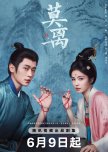
Drama storico dove la lentezza uccide l'emozione
L’approccio a questo drama – per quanto mi riguarda – è iniziato con delle aspettative nella media: il trailer sufficientemente accattivante prometteva intrighi politici uniti a una storia di alleanza e vendetta, oltre a un coinvolgente romance - aspetto per me spesso prioritario – tra una nobildonna risoluta e un principe enigmatico. La mia perplessità maggiore – so che in questo sarò una mosca bianca, ma pazienza, rimarrò probabilmente quell’unica voce fuori dal coro e va bene così – riguardava gli attori protagonisti: trovo Bai Lu una buona attrice, mentre Cheng Lei proprio non riesco ad apprezzarlo. Se la sceneggiatura si fosse però rivelata ottima e solida, l’ostacolo sarebbe stato comunque facilmente superabile. E invece “The First Jasmine” – alias “Mo Li” – è finito per essere una serie molto polarizzata, in un alternarsi di rari picchi emotivi e una narrazione fin troppo spesso estenuante.La gestione del ritmo, a mio avviso, è a dir poco problematica, specialmente nella prima, lunghissima metà, dove i primi dieci episodi – o forse anche qualcuno in più - sembrano quasi un prologo tirato davvero per le lunghe. L’attesa si fa via via frustrante e lo spettatore si ritrova sommerso da introduzioni di personaggi secondari e da una serie di complotti minori che generano scarso interesse e rallentano il tema centrale della trama. Ho cercato comunque di apprezzare la l’introduzione, per quanto logorante, dicendomi che forse si sarebbe rivelata necessaria per seguire al meglio il resto della vicenda, ma arrivata in fondo posso dire che no, il tutto si poteva benissimo riassumere in un terzo degli episodi e anticipare piuttosto il focus sulla vera storia, quella in cui i due protagonisti iniziano finalmente a muoversi nella stessa direzione unendo le forze.
Potrei dire che la parte centrale l’ho trovata ancora più noiosa, ma era una sensazione ormai talmente diffusa che fatico a inquadrarla con precisione. So solo che più e più volte sono stata sul punto di droppare il drama, salvo poi dirmi “ancora l’episodio di oggi, poi da domani basta” e arrancare così fino alla fine. Un’agonia che, tornando indietro, probabilmente mi eviterei. Nella seconda parte, va detto, qualche sprazzo di interesse c’è stato, ad esempio quando Ye Li torna sul Monte Li e finalmente lo spettatore ottiene la giusta chiave di lettura del passato. Diciamo che la sceneggiatura, nel suo complesso, aveva anche un buon potenziale, ma questo è andato ad affievolirsi per l’eccessiva diluizione in termini di minutaggio. Va da sé che l’efficacia è venuta meno, sovrastata da una lentezza capace di contrastare l’investimento emotivo di chi segue la storia.
Rispetto ai personaggi, la caratterizzazione dei protagonisti non mi ha fatto impazzire: Ye Li mi piaceva molto all’inizio, la sua successiva evoluzione un po’ meno. Ne ho apprezzato la verve, la fierezza della prima parte, e non penso fosse necessario sacrificare del tutto il tratto solo per portare a galla anche le sue fragilità. Con un lavoro migliore, il tutto poteva coesistere armoniosamente. Passando al principe Ding, si presenta come un ML insolito – anche solo per la disabilità che lo costringe sulla sedia a rotelle – e punta ad essere una figura sfaccettata e tormentata ma, a parer mio, non molto riuscita. Sebbene il romance tra i due non mi abbia coinvolta più di tanto, devo ammettere che l’evoluzione del loro rapporto è stato promosso con intelligente naturalezza, evitando molti facili cliché e preferendo lo sviluppo di una graduale comprensione reciproca. Ho trovato i personaggi secondari poco incisivi, soprattutto perché in diversi episodi ci sono scene dedicate esclusivamente a loro, senza la presenza dei due protagonisti: è una scelta apprezzabile, dove si hanno però figure ben tratteggiate e interessanti. Per me non è stato questo il caso, per cui sarebbe stato forse meno dannoso concentrarsi quasi unicamente sul pairing principale, per quanto sia ovviamente una scelta limitante.
E arriviamo alla mia personale nota dolente, il cast principale. Due attori molto quotati – ognuno ha le sue preferenze ed è giusto così, il mondo è bello perché vario – che non ho trovato davvero soddisfacenti. Bai Li è un’attrice che non mi dispiace, ma che non trovo mai eccellente. La vedo adatta ad interpretare protagoniste femminili di carattere, per quanto in questo drama sia stata brava anche a trasmettere il dolore e la fragilità nascosta dietro alla facciata della giovane dal forte spirito. Cheng Lei… Sono al suo quarto drama, e dopo quattro – e ripeto, quattro – prove devo concludere che il suo modo di recitare davvero non fa per me. Attore esteticamente bello, nulla da dire, ma non riesco mai a vedere il personaggio che deve interpretare, vedo sempre lui – l’attore – che sta recitando una parte. Sarà un mio limite ma non colgo mezza microespressione, i suoi sorrisi non raggiungono mai lo sguardo, non trasmette la rabbia quando dovrebbe farlo – parlo del viso e dell’intera postura in generale – e i momenti in cui si presume sia affranto, non mi trasmettono niente, zero. Non posso nemmeno dire che non sappia recitare, o che ci sia da lavoraci su: per me le sue prove hanno sempre quell’effetto “né carne, né pesce”. Ho lo stesso, identico problema con un altro attore estremamente popolare, Chen Zhe Yuan: due bei faccini incapaci di bucare lo schermo (o, quanto meno, di sicuro non il mio).
Visivamente parlando, la resa tecnica è indiscutibile: i costumi sono curati nei dettagli, la fotografia cattura perfettamente le atmosfere che mescolano l’alone di mistero e il classico storico, mentre la colonna sonora riesce spesso a dare un valore aggiunto alla scena. L’investimento economico c’è stato, si è visto, e i soldi sono stati spesi bene, insomma. Il montaggio, invece, avrei di gran lunga preferito fosse stato più serrato e incisivo, ma qui torniamo un po’al problema principale.
In conclusione, fosse per me non credo darei a questo drama la sufficienza. Scorporando o quanto meno minimizzando il peso dato dal parere – molto soggettivo – sull’attore principale e tenendo conto di tutto il resto, arrivo a una sufficienza piena, ma proprio non oltre. Non mi sento però di sconsigliarne la visione: per i fan di Cheng Lei e dei drama storici – prolissi compresi – potrebbe rivelarsi comunque interessante. Non un capolavoro – quello proprio dubito – ma tranquillamene nella media dei tanti altri Cdrama non particolarmente originali ma nemmeno pessimi, diciamo mediamente meritevoli.
Esta resenha foi útil para você?

longest backstory in the history
I wouldn't score this movie higher than 6.5. It's not that it's bad, but I felt the backstory was excessively long. They could have cut much of it to allow more time for the tsunami and the subsequent rescue efforts.The film runs for 2 hours, and the character's backstory takes up 1 hour and 20 minutes, which is far too long, especially since it has little relevance to the actual tsunami event. I think the structure was overly drawn out. However, I can understand why they might have made that choice; the cast features many iconic names, and perhaps they wanted to give them ample screen time. Unfortunately, this decision impacted the portrayal of the disaster, which should have been the main focus of the movie.
Esta resenha foi útil para você?
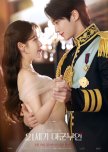
Star-studded cast trapped in an algorithm (saved only by the close-ups)
Despite the sky-high expectations and a star-studded cast doing their absolute best with the material, Perfect Crown unfortunately falls flat.The overall vibe while watching is that the script was written by an AI fed a checklist of every overused K-drama cliché in existence. There isn't a single shred of originality, the plot is predictable from start to finish, and even the comedy scenes—which are supposed to lighten the mood—feel forced and not hilarious at all.
So, what actually stops you from dropping this drama? Visually, it’s stunning, but let's be real: the entire show is carried solely by the fantastic cinematography and breathtaking close-ups of Byeon Woo Seok. If you are a fan of his, your eyes will thank you, but if you are looking for a solid, refreshing story... well, you might want to look elsewhere.
Esta resenha foi útil para você?
A Beautiful Story of Healing Hidden Beneath Revenge
Going into The First Jasmine, I expected a gentle healing drama with mature romance, quiet emotions, and soft aesthetics. It definitely delivered those vibes—but what surprised me was how psychologically rich the story turned out to be. Beneath its elegant cinematography and slow-burn romance lies a tale of trauma, revenge, healing, and emotional resilience.A'Li is one of the strongest female leads I've seen this year. Her painful past, fragile mental state, and gradual journey toward healing felt incredibly layered. Instead of magically recovering overnight, her wounds remained a part of her, making every small step forward feel meaningful. On the other hand, A'Yao wasn't just someone she healed physically by treating his injured leg—he became the person who quietly stayed by her side, offering patience, understanding, and unwavering companionship. Their relationship wasn't built on grand romantic gestures but on trust, mutual healing, and silent support, which made it even more beautiful.
A'Ying's story - She deserved so much better. I really wish she focused on her becoming independent rather than defining her happiness through mo jingli. She had so much potential to grow into her own person.
And then there's Mo Jingli. Oh, Mo Jingli... He gave me serious Qi Min vibes. Unlike Qi Min, though, he wasn't outright toxic. Yes, after marrying Ye Ying, he remained obsessed with Ye Li and neglected his wife, which was undeniably frustrating. But his character wasn't one-dimensional. His ambitions, regrets, and internal conflicts made him surprisingly compelling, even when I disagreed with his choices.
Princess Lingyun deserved a happier ending too. Her story was tragic in a way that lingered long after it ended. I can only hope that in another lifetime, she and Feng Zhiyao finally get the peaceful life they were denied.
Of course, I can't finish this review without mentioning Bai Lu and Cheng Li. Their chemistry never relied on excessive romance—it thrived through subtle glances, quiet conversations, and an unspoken understanding that made every shared scene feel intimate. The cinematography, costume design, and soundtrack elevated the emotional atmosphere, creating a drama that felt both visually stunning and emotionally immersive.
The First Jasmine isn't just a revenge story or a romance. It's a story about broken people finding reasons to keep living, choosing trust over isolation, and discovering that healing doesn't erase the past—it teaches you how to live with it.
Esta resenha foi útil para você?
Esta resenha pode conter spoilers
What the hell was that?
Lu Feng (Ayden Sng) and Xiao Cheng (Lu Si Tong) met in high school and later began a relationship in college. However, due to various setbacks and family issues, they were forced to part ways. Years later, they reunite as boss and employee, and then embark on the journey that will lead them to be together.I really wanted to understand at what point this series lost its way.
I don’t even know where to start when talking about this show, because it was the story of a relationship built over years that just started to fall apart on its own. Things were going well until around episode 6, then Lu Feng GOES CRAZY, and that was it. He’s emotionally unstable, and Xiao is a poor guy who apparently doesn’t have a shred of self-respect, he was abused, held captive, and treated like a doormat and in the end, I’m supposed to understand because he’s bipolar. I won’t get into how bipolar disorder was portrayed because I don’t think it’s relevant. The two clearly have a messed-up emotional codependency, and nobody does anything about it. HE ALMOST LEFT HIS BROTHER PARAPLEGIC, God only knows what would’ve happened to him if Qin Lang hadn’t had money.
The brother and the brother-in-law (who are actually a DECENT couple) tried to warn them, and the plot tried to cast them as villains, everything about this shit is wrong. What exactly was the moral of the story in the end? About how couples should support each other through hard times? Then at the end, they want us to forget the LITERALLY criminal acts that took place and all the mental torture, but in the end Lu Feng is in love with him, so it’s all good.
Lu Feng’s anger is justifiable to a certain extent, he gave up everything for Xiao, and at first he prioritized his own unhappiness over his mother’s, but his outburst isn’t justifiable: pushing the guy down the stairs. THAT’S WHAT STRESSES ME OUT
I don’t know how to critique this series, it just annoyed and stressed me out. It’s well-produced, with good shots, good angles, and flawless acting. BUT IT’S NOT WORTH IT
I stuck with it for the secondary couple, who, if you add up all their screen time, don’t even total 15 minutes, but we get attached to the little details.
Esta resenha foi útil para você?

My Romance Scammer — Great Cast, Completely Wrong Pairings
The biggest disappointment of My Romance Scammer isn't the story. It's the way the story is told.On paper, a romance built around deception, wealthy families, and redemption could have become an entertaining drama. Instead, everything is exaggerated to the point where it almost feels like a sitcom. Every episode follows the same rhythm: a revelation, a shocked reaction, an over-the-top confrontation, then almost immediate forgiveness before moving on to the next problem. After a while, I stopped taking the conflicts seriously because nobody seemed to learn anything from them.
The writing asks the audience to believe things that I simply couldn't accept.
As a scammer, I honestly couldn't imagine crawling back to the person I manipulated and expecting love to erase everything. Even less when the victims forgive so quickly. The series puts so much faith in the power of love that it sometimes feels like it belongs in a Disney fairy tale rather than a drama about fraud and betrayal. Rich people making one unbelievable decision after another, getting married almost immediately without even discussing a prenuptial agreement... I honestly wouldn't trust any of these characters to run the companies they're supposedly inheriting.
Ironically, I really liked the cast.
Mark Jiruntanin is incredibly handsome and has the presence of a fashion model. Unfortunately, he keeps falling into the same acting pattern I've noticed in his previous work. He constantly looks stressed, as though he's an introvert being forced to speak in front of hundreds of people. It suits certain scenes, but after a while it becomes repetitive.
Junior tries hard to sell every emotional moment, but for me something is still missing. His background in comedy is obvious, and while his comic timing works well, the more dramatic scenes never fully reached me emotionally. I understood what the character was supposed to feel, but I rarely felt it myself.
Poon Mitpakdee is naturally funny and incredibly likeable. He brings warmth to almost every scene he's in. My problem wasn't with him—it was with the pairing. With Ohm Thitiwat, I never felt the connection I was expecting. I kept thinking back to Ohm's work with Fluke Natouch, where everything felt effortless and emotionally natural. Here, something always seemed to be missing. Ironically, I've also found Ohm more relaxed and convincing in several of his heterosexual dramas than in this particular pairing.
That brings me to another thought I had while watching the series. As BL continues to evolve and more openly LGBTQ+ actors begin taking leading roles, I personally find myself paying much more attention to authenticity. That's simply my own impression, but in this drama I never completely believed either couple. They felt like actors performing a romance rather than two people genuinely falling in love, and that made it much harder for me to become emotionally invested.
The production itself is perfectly respectable. The pacing is energetic, the visuals are polished, and the comedy is clearly intentional. My issue is that the emotional side of the story never reaches the same level, making the entire drama feel much lighter than its premise suggests.
Final Thought
My Romance Scammer had a cast I genuinely enjoyed watching, but I never believed the relationships they were trying to sell. Between a script that asks for too many unrealistic decisions and pairings that never fully convinced me, I finished the drama feeling that the actors deserved a much stronger story than the one they were given.
Esta resenha foi útil para você?

???
It took me a day to finish this, and I am not sure about what to say.There were three romantic relationships in this series (even if some of them were one-sided), and all three involved p3dophilia. Minato and Shin's relationship is at least somewhat understandable since they don't actually get together until Shin turns 18 and starts university. I still have mixed feelings about it, but compared to the other two, it's a lot easier to accept.
The other two, though? Absolutely disgusting. They were grown-ass men, they were teachers, and the show somehow expected me to overlook how incredibly unethical that was. I genuinely don't understand why it felt necessary to include multiple relationships like that.
The only reason I made it to the end was Shin. If he wasn't such a sweet, beautiful boy, I probably would've dropped the series halfway through. He completely carried the show for me.
I know this kind of exaggerated childish behavior is pretty common in JBLs, but watching a 27 year old man act like a 7 year old got on my nerves so fast. It wasn't cute or endearing, it was just irritating after a while.
That said, I'm actually more hopeful about Season 2. I really liked the final scene of the first season, and it genuinely made me curious about where the story is going next. More importantly, at least there won't be any minors involved this time, so I'm hoping it'll focus on a much healthier relationship.
The only reason I gave it a 6/10 was because it wasn't completely boring, and thankfully, the teacher barely played a role in the story.
Esta resenha foi útil para você?

Inspired by true Thai events, Bas and Lhongchang ignite a forbidden revolutionary romance!
Just finished Episode 1 of When Light Fades on GagaOOLala, and I have mixed feelings about this one.What I liked:
-The soft, gentle Thai OST and the ending credits were beautiful.
-I really love the 1970s setting. The attention to detail is impressive, from the historical houses and buildings to the old telephones, vintage cars, and costumes. It feels authentic and helps immerse you in the time period.
What could be improved:
-I'm still not sure where this series is heading. It opens with intense violence, explosions, and killings, setting a very serious tone. Soon after, it shifts into comedy in the jungle with the same over-the-top, cringe-worthy sound effects often found in Thai dramas. The tonal change felt jarring and didn't work for me.
The story follows Vin, a university student who is forced to escape into the jungle after a brutal political crackdown. There, he joins a guerrilla movement and crosses paths with the reserved and stoic Comrade Yue. Episode 1 does a good job of establishing the harsh survival setting and historical backdrop while only giving viewers a small glimpse of how their relationship may develop.
This is also the first time I haven't really felt the chemistry between the two male leads. I've seen Bas in KinnPorsche and 4Minutes, where he delivered emotionally intense and intimate performances. Here, as Comrade Yue, he's intentionally cold, silent, and emotionally closed off. Lhongchang plays Ravin as a university student who tries to lighten the mood with humor. Their first meeting, where Yue saves Vin from a deadly animal trap just in time before they fall to the ground and lock eyes, felt a little too cheesy for me, and I just wasn't feeling the chemistry yet.
Overall, I love the 1970s atmosphere, the jungle setting away from the modern world, and how everything feels raw and simple, from sleeping in straw houses to bathing in the lake. However, because this is a historical fiction drama that begins with gore, violence, and explosive action, the sudden comedic moments didn't make much sense to me.
So far, I'm giving When Light Fades an 6.5/10. My rating could definitely increase or decrease depending on how the remaining seven episodes develop.
Esta resenha foi útil para você?
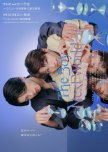
The Boy Next World: Heiko Sekai no Koibito
0 pessoas acharam esta resenha útil
The Boy Next World: My Destiny — Japan Does It Better Again
The Japanese adaptation is simply much better than the Thai version. Better cast, better writing, and a much more convincing romance. Once again, Japan proves that a smaller budget doesn't automatically mean a weaker drama. Sometimes, it produces something that feels much more authentic than a larger production.The story benefits enormously from the adaptation. The emotional moments have more impact, the pacing feels smoother, and the relationship develops in a much more believable way. Rather than trying to impress with bigger production values, the series focuses on what really matters: the characters and their emotions. That's exactly what I wanted from this story.
The cast is another major improvement.
One thing I appreciated immediately is how natural the two leads feel together. They don't look like they're trying to convince the audience they're in love. They simply look comfortable with each other, both on and off screen, and that sincerity makes the relationship much easier to believe. It's the same feeling I had while watching the Japanese version of Love in the Air. There is a level of authenticity that I personally don't always find in other adaptations.
That's also why I find it unfortunate that Japan's LGBTQ+ entertainment industry remains much more discreet than Thailand's. Even so, the actors here project a confidence and comfort that make the romance feel genuine instead of performed. Whether that's through their chemistry, their acting style, or simply the direction, the result feels incredibly natural.
The production itself is another reminder that money isn't everything. The series may not have the biggest budget, but the direction, the writing, and the performances constantly compensate for it. Rather than trying to compete through spectacle, it succeeds through simplicity and emotional honesty.
Final Thought
The Boy Next World: My Destiny is another example of why I enjoy Japanese adaptations of MAME's novels so much. They may look simpler on the surface, but they often understand exactly where the emotional strength of the story lies. For me, this version improves on the Thai adaptation in almost every important aspect, making it one of the strongest Japanese BLs of the year.
Esta resenha foi útil para você?


