

Esta resenha pode conter spoilers
The Quiet Anatomy of Moral Decay
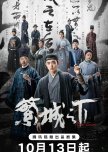
Set in 1609 during the Wanli era of the Ming Dynasty, Ripe Town begins with a string of gruesome murders that seem to have nothing in common except for one chilling detail. Every victim is staged in an eerie tableau, each crime scene marked by the different cryptic messages. Determined to uncover the truth, young Bailiff Qu San Geng joins forces with his friends, only to find themselves peeling back layers of deception, buried secrets, and a cold case that refused to stay dead. As the investigation spirals deeper, the mystery becomes less of a whodunit and more of a descent into the ghosts of the past, where every answer comes at a price."To Confucius, it's just so hard to be a decent man."
That line perfectly captures what Ripe Town is really about. At its heart, this is a story about moral decay, justice, and the exhausting struggle of navigating the space between right and wrong. The murder of Captain Leng Wu Ji, Qu San Geng's mentor, immediately makes the investigation personal. The first episode deserves praise for how naturally it flows from tragedy to grief, then to investigation, before ending on an intriguing revelation that immediately hooked me.
San Geng leads the investigation, but interestingly, he is never written as the kind of protagonist who dominates every scene. Instead, he serves as the embodiment of growth. As a young bailiff, he wants to uphold justice with clean hands, believing the world should be divided into black and white. Through frequent flashbacks with Captain Leng, however, the story slowly dismantles that idealism. Captain Leng teaches him that reality is rarely so simple. Sometimes justice requires imperfect methods, and sometimes you only have the wrong tools to reach the right outcome. One of my favorite lines in the drama comes from Captain Leng:
"Conscience is such a thing. If you want to sell it, it won't sell for much. But if you want to keep it, then it's expensive."
It is such a beautiful paradox. Integrity itself has little market value, yet preserving it often demands tremendous sacrifice. Throughout those flashbacks, we watch San Geng admire his mentor's teachings while still desperately trying to preserve his own ideals. It is only after Captain Leng dies and that protective figure disappears that San Geng truly begins to understand what those lessons meant. Bai Yu Fan portrays this evolution convincingly. He honestly reminds me of a chick that has just hatched, slowly discovering that the world is far harsher than it first appeared. His performance is not flashy, but it feels sincere, and that sincerity makes San Geng's growth believable.
After Captain Leng's death, another fascinating character joins the investigation, Judge Song Chen. If Captain Leng teaches San Geng how the world works, Song Chen reminds him what justice should strive to be. Song Chen is perhaps the purest soul in this morally grey world, which is ironic considering he himself is a victim of one of its greatest injustices.
Once a brilliant prodigy with limitless potential, Song Chen became entangled in an Imperial Examination fraud case born from political factionalism. Wrongfully imprisoned, tortured, stripped of his ability to paint after losing fingers on his dominant hand, and left with a crippled leg, he emerges from prison carrying wounds that never truly heal. His closest friend dies because of the same injustice, leaving him burdened with both grief and survivor's guilt. Even after his innocence is restored, nothing meaningful can be returned to him. His scars have already become permanent.
Despite all of this, Song Chen continues pursuing justice with remarkable conviction. Ironically, his own methods are not without cruelty. As a judge, he becomes known for extracting the teeth of criminals during interrogation. It is an uncomfortable contradiction that fits the drama perfectly. Justice itself is not always gentle. Ning Li delivers one of the finest performances in the series. Every expression carries years of accumulated resentment, grief, regret, and quiet fury. Even with relatively limited emphasis and focus on his character, Song Chen left an enormous emotional impact on me. I sympathized with him, cried for him, and admired how steadfast he remained despite everything life had taken from him.
As the investigation progresses, the story begins dedicating entire episodes to events from twenty years earlier, allowing the audience to witness both the present investigation and the origins of the tragedy side by side. Eventually, those flashbacks center on Lu Zhi, who became, without question, the most fascinating character in the drama for me.
Lu Zhi feels less like a villain and more like the product of his upbringing and consequence of adults who failed him. At first, he appears gentle, almost forgettable, like the type of character destined to become another victim. But little by little, something unsettling begins surfacing beneath that kindness. It becomes impossible to tell whether he genuinely wants to become a better person or whether goodness itself has simply become another mask for survival.
The most chilling moment comes when he explains why he chooses to hurt good people. Good people are less likely to retaliate. It presents one of the drama's most disturbing moral paradoxes. Do you target evil people and invite violent revenge, or prey upon kind people because their kindness makes them vulnerable? Virtue, ironically, becomes its own weakness.
Yet the drama never allows Lu Zhi to become a one dimensional monster. His cruelty exists alongside fear, hesitation, and genuine inner conflict. There are moments where he quietly wonders why doing good feels so difficult while evil comes so naturally. Even after everything he does, I still find myself asking whether he was truly good or bad. Looking only at the outcome makes the answer seem obvious. Looking deeper makes it surprisingly difficult. His fear whenever he is cornered reminds us that beneath all the darkness still exists a frightened human being trying to survive.
Yu Yao's performance deserves a standing ovation. Every tiny shift in expression feels deliberate. Every glance, every hesitation, every restrained emotion adds another layer to Lu Zhi's character. His elegant manner of speaking and composed posture create a striking contrast with the chaos inside his mind. Combined with Wang Zheng's direction and exceptional character writing, Lu Zhi becomes one of the most memorable characters I have encountered in recent years. Exploring morality, desire, fear, ideals, and conscience through a single character is no easy task, yet Ripe Town does it with remarkable precision.
Despite its slow pacing, the story never feels dull. Every scene contributes to the larger mystery, making it easy to become absorbed in the investigation. The clues are carefully planted, rewarding viewers who pay attention to small details. It genuinely feels as though you're investigating alongside San Geng and his companions. There is even a subtle layer of dark humor woven naturally into the dialogue, preventing the atmosphere from becoming overwhelmingly bleak.
The visual presentation surprised me just as much as the writing. Director Wang Zheng reportedly drew inspiration from Wu Guanzhong's Jiangnan paintings, and that influence is visible throughout the drama. The compositions emphasize layers, depth, and spatial balance, transforming nearly every frame into something resembling an ink painting. Doors, windows, curtains, screens, and veils are used to create visual penetration, allowing interior and exterior spaces to flow seamlessly into one another. Instead of relying on grand spectacle, the drama embraces stillness. Long, quiet streets stretch across the screen while conspiracies quietly bloom beneath the surface. It is a perfect example of a Latin phrase, which means “the art of concealing art.” The directing appears effortless precisely because every artistic choice is so carefully considered.
The sound design deserves equal praise. Rather than constantly filling scenes with music, Ripe Town uses its original soundtrack sparingly, reserving it primarily for the opening and ending themes. Yet those tracks linger long after each episode ends. During most scenes, subtle sound effects take center stage, quietly reinforcing the tension and atmosphere without drawing attention to themselves. The restraint makes every emotional moment feel even more effective.
The finale delivers one revelation after another with remarkable composure. It never resorts to sensational twists simply for shock value. Instead, every revelation feels earned, and the ending remains grounded in the reality the drama has carefully established from the very beginning. Each major character receives meaningful growth. San Geng becomes more flexible in his methods while continuing to pursue justice. Song Chen's conclusion also feels unexpectedly merciful, offering him perhaps the only path that could finally free him from the resentment he had carried for years. Fittingly, he remains a judge until the very end, both in title and in spirit.
Ripe Town earns its title in more ways than one. Beneath its peaceful streets lies a town that has ripened not into prosperity, but into something rotten. Old grievances have fermented into vengeance, justice has become tangled with compromise, and morality has quietly spoiled with time.
This is a drama I thoroughly enjoyed for its tightly constructed mystery, atmospheric suspense, morally complex characters, breathtaking visuals, restrained sound design, and thoughtful exploration of justice and human nature. It does not simply ask who the murderer is. It asks what kind of world creates murderers in the first place. Long after the mystery was solved, it was the characters and their impossible moral dilemmas that continued haunting my thoughts. Ripe Town has easily become one of the finest Chinese mystery dramas I have watched, and one of the strongest entries in the genre as a whole.
Esta resenha foi útil para você?
Amor de Mentirinha
mdsss, esse dorama e simplesmente perfeito demais. fiquei encantada com a história, a química do casal principal. esse dorama tem tudo que eu gosto: clichê, romance lindo, comédia, osts perfeitas. enfim, esse dorama e muito bom e lindo. A premissa de um casamento falso de 90 dias para ganhar uma casa de luxo entrega exatamente tudo o que promete! O desenvolvimento do relacionamento deles, passando de dois estranhos meio perdidos para um casal com momentos super fofos e engraçados, deixa a gente grudada na tela do início ao fim.Esta resenha foi útil para você?
a surprising office rom-com that won me over
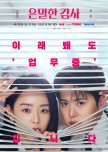
The first episode was pretty boring—I almost dropped it right there. But luckily, I stuck with it, and it got much better. I ended up really enjoying this drama.It's nothing groundbreaking, but it's perfect if you want something light and relaxing to unwind with. I was genuinely hooked. The story follows Joo In-ah (Shin Hye-sun), the head of the audit department at Haemu Group, and Noh Ki-jun (Gong Myung), a star auditor who gets demoted to handling workplace misconduct. I loved their enemies-to-lovers journey and how their team dynamics played out.
The acting is really good, and Shin Hye-sun is amazing as always. That said, I don't think Kim Jae-wook's character suited him—I just didn't like his role.
Overall, it's a nice and easy watch that will keep you entertained. Nothing more, nothing less.
Esta resenha foi útil para você?

 1
1Esta resenha pode conter spoilers
L’intrattenimento di qualità e senza esclusione di colpi
Ci sono tre immagini che mi hanno indotta alla visione di questo drama: la prima è stata una mera associazione col titolo, che non poteva non portarmi alla mente la splendida serie coreana “Chief KIM” – conosciuta anche come “Good MANAGER” – e che mi capita talvolta di rivedere con piacere; la seconda è stata l’immagine di So Ji Sub, attore che apprezzo molto e del quale ho seguito moltissimi lavori; la terza è il volto di un altro grande attore, Liam Neeson, protagonista del film statunitense “Io vi troverò” di vent’anni fa, riportatomi istantaneamente alla mente dal titolo di una recensione – grazie Jennifer P. - già che il concept di base è praticamente lo stesso.Che dire, una serie che si vede tutto d’un fiato. Dieci episodi – qui i spesso rimpianti sedici del vecchio classico format sarebbero stati decisamente troppi – che filano via lisci in un batter d’occhio.
LA TRAMA – Kim Do Hyeon è un impiegato di banca tranquillo e anonimo, nonché padre dell’adolescente Min Ji, figlia che ha cresciuto da solo dopo la morte della moglie durante il parto. Vive una vita semplice e monotona, con un atteggiamento passivo-remissivo che gli costa l’assoluta mancanza di stima da parte della figlia. Poi un giorno Min Ji viene rapita, e tutto cambia improvvisamente. Il mite quarantenne torna ad essere ciò che è stato per buona parte della sua vita: il più abile e letale agente speciale nordcoreano, passato poi nei servizi segreti sudcoreani e infine sparito nell’anonimato per fuggire dal pesante passato e proteggere la famiglia con la quale desiderava trascorrere il resto della vita.
A livello di scrittura c’è un’evidente discrepanza tra arco narrativo e durata: c’è un primo filone, probabilmente il migliore e il più completo, che si risolve a suo modo verso il settimo episodio. Il drama però conta dieci puntate, da lì la necessità di concatenare un altro sviluppo, che in parte ripercorre percorsi già battuti (vedi il tema del rapimento dei figli piuttosto che il conflitto con Ju Kang Chan). Se da una parte si può capire la necessità di inserire una parte a tema sicurezza/politica agli alti livelli, dall’altra sembra un po’ un capitolo a sé stante, che sarebbe stato meglio inglobare meglio nella storia, invece di procedere con un effetto “a tappe”.
Il finale non mi ha convinta del tutto. La storia apre con un caso di bullismo tra due adolescenti, poi si sposta su piani ben più importanti (sicurezza nazionale, spionaggio, tensioni ed equilibri tra Paesi) e trova conclusione in una cornice che è ancora quella leggera iniziale (il saluto all’ex compagno di scuola, i discorsi sul rendimento scolastico, ecc.). Si comprende l’intenzione di mostrare finalmente la vita ordinaria tanto desiderata, ma come conclusione ha un sapore un po’ riduttivo. Si salva l’ultimissima scena, che mi ha ricordato – nel concetto - l’epilogo di un altro kdrama (Tale of the Nine-Tailed).
PERSONAGGI – Kim Do Hyeon è una figura perfettamente riuscita, il complesso e intricato risultato del suo percorso di vita, dalla difficile infanzia in orfanotrofio all’ancor più terrificante addestramento nell’esercito nordcoreano, fino alla sofferta scelta di passare dalla parte del “nemico”, e poi ancora quello scorcio effimero di una vita famigliare felice, che si dissolve con la morte prematura della moglie e si traduce nel devoto ma difficile compito di allevare da solo una figlia, per tornare infine a rivivere ciò che era stato fin da ragazzino, stavolta con il mero obiettivo di garantire la sicurezza di Min Ji.
Kim Min Ji incarna credibilmente la classica adolescente, un tempo molto legata al padre ma ora sempre più alla ricerca dei suoi spazi e dei suoi coetanei, tanto da tenere per sé anche gli episodi di bullismo che subisce a scuola, convinta che la distanza di pensiero tra lei e il “vecchio” padre sia come comunicare in due lingue diverse, sottolineando così un classico dell’approccio tipico adolescenziale, ovvero la convinzione – anche a priori – che il genitore non possa capire. A questo tratto comune si aggiunge, nel suo caso, anche la totale mancanza di stima nei confronti del padre, ai suoi occhi uomo debole e senza spina dorsale.
Se il rapporto padre-figlia caratterizza i momenti di svolta importanti, il cuore pulsante del drama è il trio dato da Kim e i gli altri due ex agenti sudcoreani. Min Ji segna due radicali cambi di vita per Kim: il primo con la sua nascita, dove rende immediato e necessario per lui concretizzare il desiderio di lasciarsi il passato di spia alle spalle e intraprendere una vita tranquilla e ordinaria; il secondo è innescato dal suo rapimento, che toglie Kim dall’esistenza placida e tranquilla per tornare a vestire i panni dell’implacabile agente speciale.
Il drama conta svariati momenti di cruda violenza, ma mai fine a sé stessa bensì più strumento di una protezione disperata e comunque ampiamente bilanciata dalla tenerezza di alcuni momenti padre-figlia e stemperata dai passaggi di puro divertimento promossi dai due ex agenti amici di Kim: Seong Han Su, campione di takewondo e di uscite di ironia stralunata, vestito tassativamente con un dobok immacolato che completa – a un certo punto – con un inquietante gilet trapuntato rosso a fiorellini, e Park Jin Cheol, ex marine in stile “macchina da guerra” e un Mr. "Rock and Roll” eccentrico come pochi. Ho apprezzato come tra i flashback dedicati al passato di Kim sia stato dato spazio al suo primo incontro con i due e al legame sempre più saldo che è andato formandosi. Un’amicizia non sbandierata ma solida, di quelle che non ti lasciano da solo nel momento del bisogno, costi quel che costi.
Tra i due compari, quello più esilarante ma anche più approfondito è di sicuro Park Jin Cheol: tuta mimetica che si apre su un’imbarazzante maglietta con foto della figlia racchiusa in un cuore, risata pazza di chi non teme nulla e pregusta i combattimenti che affronta a suon di testate con spirito quasi divertito, salvo poi scattare sull’attenti – in tutti i sensi – di fronte alla moglie. I suoi battibecchi con Seong Han Su sono a dir poco spassosi, tra botta e risposta quasi infantili – dove anche la conta dei numeri progressivi diventa motivo di ripicca – fino a giocarsi i vari incarichi pericolosi con sasso-carta-forbice. Innumerevoli le uscite che fanno sorridere (“il protagonista deve farsi vedere”, “Devo andare a casa, viene quello del purificatore. Ho già spostato due volte, tre no”, "Sembri le tipe coi capelli lunghi dei film horror"... Potrei andare avanti all'infinito).
Un trio dunque singolare e carismatico, concreto nelle azioni e caratteristico nelle interazioni (da qui la memorabile riflessione di Nam, lo scagnozzo di Ju Kang Chan, mentre vola all’indietro fuori dal camion dopo il gancio ben piazzato di Jin Cheol: “Chi diavolo sono questi quarantenni con gli occhiali?!?”)
CAST – So Ji Sub domina la scena con una performance di altissimo livello. La sua è una recitazione convincente e calibrata, studiata in ogni singolo cipiglio e in quegli sguardi – soprattutto nella parte iniziale - che sanno di rabbia trattenuta a stento grazie a un notevole autocontrollo. A seconda del contesto vi si legge perfettamente l’amore e la preoccupazione per Min Ji, la stanchezza di un uomo che ha già visto troppo, la precisione inesorabile di quando si prepara a combattere. Con la sua serietà glaciale bilancia perfettamente le interpretazioni più vivaci dei compagni di squadra. Un’espressività raffinata e ricca, la sua, mai forzata, mai eccessiva, mai fuori luogo. Davvero un grande attore.
A fargli da spalla altri due bravissimi attori quali Choi Dae Hoon e soprattutto Yoon Gyung Ho. Menzione d’onore anche per Joo Sang Wok che in qualità di villain veste perfettamente i panni del ricco e potente uomo d’affari che si crede al di sopra di tutto e di tutti. I personaggi secondari offrono complessivamente una buona prova a supporto dei protagonisti.
ASPETTI TECNICI - Il drama è certamente confezionato con cura, la regia di Lee Yong Seok mostra capacità e consapevolezza nella trasposizione del weebtoon al quale è ispirato, traducendo con enfasi i momenti più incisivi e seguendo i combattimenti da una distanza davvero ridotta. In linea con l’idea dell’action-thriller le coreografie sono brutali e di forte impatto fisico, basate sul corpo a corpo che distrugge ambienti e trasforma oggetti quotidiani in armi improvvisate. In questo senso, il montaggio è indubbiamente valido: le sequenze di combattimento sono tagliate con un ritmo serrato ma mai frenetico, permettendo allo spettatore di seguire ogni movimento senza perdersi nel caos della lotta.
La fotografia conferisce significato ai contrasti cromatici: nelle sequenze ambientate nel presente in Corea del Sud predominano le tonalità calde mentre i flashback nordcoreani sono caratterizzati da palette di blu freddi e grigi acciaio, perfetti nel richiamare la violenza e l'alienazione del passato del protagonista. Anche la scenografia ha fatto un buon lavoro, contribuendo nel “raccontare” i personaggi: l'appartamento di Kim è volutamente anonimo, quasi spoglio, perfettamente in linea con un uomo che ha smesso di vivere per limitarsi a sopravvivere; al contrario, gli ambienti dei cattivi sono sovraccarichi di simbolismi industriali dall’aspetto metallico (quasi delle gabbie in cui si rintanano, ma che alla lunga imprigionano anche i loro stessi piani). La colonna sonora alterna timbri sintetizzati durante le scene d'azione a pianoforti nei momenti di intimità padre-figlia.
PRO E CONTRO: Un aspetto che ho molto apprezzato è che il drama va oltre il classico revenge-thriller: la vendetta, qui, c’entra davvero poco. La “caccia” ai cattivi non è promossa dal desiderio di far pagare loro i torti subiti, ma semplicemente dalla paura di perdere i propri cari e dalla disperata necessità di tutelare l’unica famiglia rimasta. Tra i limiti, invece, l’inevitabile mancanza di realismo: i combattimenti sono spettacolari ma davvero poco conformi alla realtà. I tre quarantenni non sono per nulla arrugginiti, sconfiggono da soli intere squadre addestrate e armate e si riprendono da colpi in testa e ferite profonde con una velocità a dir poco incredibile. Ci si lamenta del tono di voce di Jin Cheol, eppure seduti al tavolo del ristorante disquisiscono tranquillamente di operazioni segrete e altre informazioni altamente riservate. Sono difetti comunque ammissibili se si considera che derivano da una scelta voluta dell’opera, volta ad affascinare lo spettatore più che a farlo “credere”.
IN CONCLUSIONE – Un drama con le idee chiare, che vuole essere un prodotto commerciale di alta qualità dedito ad un puro, spettacolare ed efficace intrattenimento. Lo dico nel senso più positivo possibile dei termini: non tutti i drama o i film devono essere opere rivoluzionarie o trasporre in modo geniale chissà quale significato della vita. L’importante è avere un obiettivo ben definito. E questo drama non solo sa cosa vuole essere ma lo fa con evidente competenza. Il risultato è una serie che funziona alla grande, incentrata su una storia che sa emozionare e intrattenere con pari intensità, dove l’elemento emotivo è sempre presente e mai sacrificato in nome dell’azione, e viceversa. Un ottimo risultato e un titolo che mi sento di consigliare su larga scala.
Esta resenha foi útil para você?
It is clear that the husband and wife should talk.
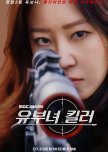
A Bonafide Killer is a stylish drama with lots of beat music and soft melodies. Great OST.We get to explore the lives of the husband who is an Investigative Reporter and his housewife. The housewife is just going back to work after a three year lay-off, used to take care of her very young child, an adorable cutie. The husband, tries to hide the nature of “his job” as an Investigative Reporter, thinking that it might worry his “delicate” wife. He feels that she could not handle his job excitement level. Slowly but surely, the drama reveals to the audience the true nature of the job his wife has. And you get the sense that the husband is over worrying about the surprise level that his wife can handle.
Cautionary Note: A Bona Fide Killer is about a sharpshooter/Sniper, an accurate one.
Side Bar: I used to work with a person who was a skilled marksman. He had the ability to accurately hit a target 1,500 meters away (about 1.6 miles). Okay! If there were 100 people in front of you and let them walk by, you would never ever pick him as the marksman. No, he was not ex-Military. This story for A Bona Fide Killer is very believable.
Cast: Actress Kong Hyo Jin, Actor Actor, Jung Jun Won, and Actor Lee Sang Yi
Esta resenha foi útil para você?
ကြောက်စရာရုပ်ရှင်
Good casting! GWG really looks like a vampire even without makeup. Interesting opening scene and first ep. I continued watching this until the final ep. It gave me chills for a while, because I like horror movies. Although this is not horror at all,it's closer to horror than all dramas I watched during the time.Esta resenha foi útil para você?
မကြိုက်ဘူး
Again with Mary Sue trope and powerful female character as the major villain. The Mary Sue is surrounded by many male character. She is important. She is saved, helped, and loved by many male characters. On the other hand, the female character with enthusiasm and motivation (positive value for women in real world) is the villain. I do not understand why the media do not like powerful women. I wish to see more women in China controlling the business and being important politicians. China needs female role models in media.Esta resenha foi útil para você?
Esta resenha pode conter spoilers
Una parabola sull'alienazione digitale
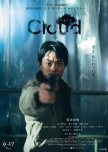
Cloud è un thriller psicologico che utilizza il fenomeno dei rivenditori online e delle truffe su internet per parlare di qualcosa di più ampio: un'economia capace di trasformare le persone in profili, punteggi e opportunità di profitto.Il protagonista, Yoshii, è un uomo apparentemente privo di emotività, non vuole più sentirsi dire cosa fare, è fortemente attaccato al denaro e costruisce la propria identità attorno al commercio online: acquista merce a basso prezzo e la rivende su una piattaforma digitale. Il problema è che spesso tratta anche prodotti contraffatti. Non sembra odiare nessuno, ma allo stesso tempo non manifesta una reale empatia verso gli altri. È un uomo svuotato, che ha progressivamente sostituito le relazioni con la logica dello scambio.
Ha anche un rapporto con una donna che appare fin dall'inizio come una figura ambigua: desidera una vita migliore, ma entrambi sembrano già emotivamente consumati all'interno della relazione, sono due persone che cercano qualcosa senza riuscire davvero a costruire un legame.
Inizialmente il film sembra quasi descrittivo: osserva le giornate di Yoshii, i suoi rituali, il suo modo di vivere isolato e concentrato sul profitto. Successivamente si trasforma in un thriller psicologico e, nel finale, in un action violento e assurdo.
Kurosawa, maestro del cinema giapponese, interpreta questo cambio di registro come l'evoluzione naturale della violenza nata online: una tensione virtuale che progressivamente invade il mondo reale. Io, invece, insieme ad altri spettatori, ho trovato questa svolta molto netta e in parte scollegata dalla costruzione iniziale. Ho compreso l'intenzione simbolica ma il passaggio mi è sembrato troppo netto , quasi brusco, rispetto alla prima parte.
Le interpretazioni, soprattutto quella del protagonista Masaki Suda, sono state molto lodate. Kurosawa lavora in sottrazione: la recitazione minimalista e quasi inespressiva è una scelta precisa per trasmettere inquietudine e alienazione. Personalmente, però, non l'ho apprezzata completamente. Comprendo lo scopo registico, ma una recitazione composta quasi esclusivamente da poche battute pronunciate con tono piatto rischia di risultare semplice più che perturbante.
Il film utilizza pochissimi dialoghi, spesso ridotti a essenziali botta e risposta. È un cinema fedele alla tradizione giapponese del silenzio e della sottrazione; proprio per questo, però, l'espressività dovrebbe aggiungere significato, non limitarsi a creare un effetto di piattume. Soprattutto nelle scene di violenza estrema, credo che anche solo il panico come meccanismo istintivo di conservazione dovrebbe emergere.
"Kurosawa viene spesso descritto come un maestro nel creare inquietudine senza ricorrere ai meccanismi classici dell'horror. Anche quando apparentemente non accade nulla, riesce a trasmettere la sensazione che il mondo sia fuori asse". Questo elemento l'ho percepito, ma ciò che ho apprezzato maggiormente del film è soprattutto il messaggio.
Da qui entriamo nel campo degli spoiler PER SPIEGARE IL SENSO DEL FILM SICCHÈ SE VOLETE LEGGERLI ALLA FINE ATTENDETE E RIPRENDETE QUANDO FINITE LA VISIONE:
Personaggi e simbolismo
–Yoshii: l'uomo del capitalismo contemporaneo
Yoshii non è un criminale spettacolare né un eroe tragico: è l'uomo medio del capitalismo contemporaneo; non produce realmente qualcosa, non costruisce relazioni profonde, compra e rivende. Guadagna. Accumula.
La sua identità coincide progressivamente con il profitto: più guadagna, meno sembra esistere come persona, è un individuo che ha sostituito il rapporto con gli altri con il rapporto con il valore economico delle cose.
- Akiko: l'amore trasformato in transazione
Akiko, la fidanzata, rappresenta l'ultima possibilità di una vita normale, quando Yoshii si allontana da lei per dedicarsi completamente alla vendita online, non sta semplicemente lasciando una donna: sta rinunciando alla dimensione affettiva per vivere esclusivamente come agente economico. È forse uno dei personaggi più inquietanti proprio perché proviene dal territorio che dovrebbe essere quello dell'affetto e , quando nel finale lo minaccia con una pistola e gli chiede denaro, il rapporto amoroso viene completamente tradotto nella stessa logica del mercato che Yoshii ha sempre utilizzato: quella del valore e del ritorno economico.
Yoshii ha trasformato il mondo in uno scambio economico e alla fine scopre che anche i sentimenti possono diventare scambi economici. Akiko non è soltanto una vittima o una vendicatrice. È un altro individuo che, in una società dove tutti cercano di ottenere qualcosa dagli altri, entra nello stesso gioco.
La cosa più inquietante è che lei non sembra più amarlo, ma nemmeno odiarlo veramente: lo considera una risorsa.
- Sano: il doppio oscuro
Sano, il collaboratore, è forse il personaggio più enigmatico. Inizialmente appare come un assistente disponibile, ma progressivamente incarna la violenza che Yoshii ha inconsapevolmente generato. È quasi il suo doppio oscuro: Yoshii pensa al denaro, Sano trasforma quella logica in potere e forza fisica.
Se Yoshii sfrutta gli altri attraverso una dimensione economica e digitale, Sano porta quella stessa mentalità nel mondo reale.
- L'ex datore di lavoro: il potere e il risentimento
L'ex datore di lavoro rappresenta una forma più tradizionale di potere e la logica del possesso.
Nel mondo di "Cloud" i rapporti sembrano regolati dall'utilità: finché servi, sei accettato; quando esci dal sistema, diventi un problema. Quando Yoshii, dopo essersi licenziato, si nega e finge di non essere in casa mentre il suo ex capo è venuto a trovarlo, compie un gesto apparentemente piccolo ma simbolicamente enorme: rifiuta qualsiasi possibilità di confronto umano.
L'altro non è più una persona, ma un fastidio da ignorare. È lo stesso meccanismo con cui Yoshii tratta le persone online: gli interlocutori diventano profili, clienti, ostacoli.
Il film porta poi questa logica all'estremo. Il fatto che venga rivelato sul finale che il capo abbia ucciso anche la moglie e i figli è scioccante perché mostra che, una volta entrati in una spirale di violenza, i confini morali diventano instabili. Il passato dei personaggi diventa opaco: tutti possono aver compiuto qualcosa di terribile.
Yoshii crede di essersi liberato da una relazione gerarchica per diventare indipendente, ma in realtà continua a creare gerarchie ovunque vada, prima era sottoposto a qualcuno; poi diventa lui stesso qualcuno che valuta gli altri in base al profitto.
Il capo incarna quindi il risentimento del sistema verso chi cerca di abbandonarlo: non si può semplicemente uscire dal gioco senza conseguenze.
- Gli uomini del branco: la vendetta come identità
I due complici sono interessanti perché sembrano partire da una posizione morale: "Yoshii merita una punizione".
Kurosawa, però, smonta immediatamente questa superiorità morale: anche loro sono attratti dall'eccitazione della caccia. La vendetta diventa un gioco, quasi una droga. La frase secondo cui "se lo percepisci come un gioco ti diverti e dai il massimo" è fondamentale perché descrive non solo loro, ma anche Yoshii.
Yoshii affronta il commercio online come un gioco:
- comprare;
- vendere;
- fregare;
- massimizzare il profitto.
Gli altri affrontano la vendetta nello stesso modo: trovare la preda- organizzarsi- dominare l'altro.
La morale scompare perché il gioco sostituisce la realtà. Se tutto diventa una partita, anche la sofferenza degli altri perde peso.
La critica di Kurosawa è molto amara: una società competitiva può trasformare qualsiasi cosa in una competizione, anche il dolore umano.
- L'ex compagno di scuola: le possibilità negate
L'ex compagno di scuola rappresenta forse una delle possibilità alternative che Yoshii ha rifiutato, non è soltanto un rivale economico: è qualcuno che propone collaborazione, costruzione comune, un progetto condiviso. Yoshii rifiuta perché vuole essere completamente autonomo. Non vuole condividere il successo, vuole controllarlo.
Per questo il compagno diventa il simbolo delle possibilità eliminate dal protagonista:
- collaborazione invece di competizione;
- creazione invece di rivendita;
- relazione invece di sfruttamento.
Quando afferma di essere "costretto" a vendicarsi, anche lui si racconta come vittima delle circostanze. Nessuno nel film si percepisce davvero come aggressore. Tutti dicono, implicitamente o esplicitamente: "Non avevo scelta". ed è proprio questa la tragedia: un mondo in cui ogni individuo si sente autorizzato perché reagisce a un torto precedente.
Anche il suo discorso sulla mediocrità del matrimonio non è soltanto un insulto alla relazione tra Yoshii e Akiko. È un attacco al modello di vita ordinario. La casa, il matrimonio, una vita stabile rappresentano qualcosa che lui percepisce come una sconfitta: la normalità. Akiko rappresenta invece una possibilità di vita non fondata sul calcolo: una vita fatta di quotidianità, imperfezione e legame.
Il compagno la considera una gabbia perché è già contaminato dalla stessa logica competitiva: se non stai scalando, stai perdendo,
I personaggi sono come specchi deformanti di Yoshii, frammenti della stessa malattia sociale che ruota intorno al protagonista.
> La ex fidanzata: l'amore ridotto a interesse.
> ll capo: il potere che non perdona chi lo abbandona.
>Il branco: la vendetta trasformata in gioco.
>Il compagno di scuola: le possibilità umane sacrificate alla competizione.
> Yoshii: l'uomo che sceglie il gioco e scopre che tutti gli altri stanno giocando contro di lui.
La cosa più pessimista del film è che Yoshii non viene punito da un mondo diverso da lui, bensì viene divorato da un mondo che funziona secondo la stessa logica che lui stesso ha scelto.
------------> Il simbolismo del titolo: Cloud <----------------
Il titolo non indica soltanto il cloud informatico, per me è soprattutto una metafora di uno spazio dove tutto è presente ma nulla è davvero tangibile, del resto una nuvola sembra compatta da lontano, ma è composta da milioni di particelle che non sono realmente unite.
Allo stesso modo, il branco appare come un organismo unico, ma in realtà è un aggregato instabile di individui isolati.
È una metafora che attraversa tutto il film: l'illusione della connessione nasconde una profonda frammentazione, le persone diventano nickname, account, recensioni, transazioni.
L'identità si dissolve e si spoglia progressivamente di umanità. Il film sembra suggerire anche una forma di possibile post-umanesimo digitale: un mondo in cui la persona viene sostituita dalla sua traccia economica e virtuale.
- Il magazzino e l'isolamento
Il magazzino pieno di scatole è uno dei simboli più forti. contiene migliaia di oggetti, ma nessun ricordo. è una casa senza vita: un'esistenza riempita di merci invece che di esperienze.
Anche gli ambienti del film contribuiscono a questa sensazione. Quasi tutti gli spazi sono enormi, vuoti, industriali. Le persone sembrano sempre troppo piccole rispetto all'ambiente e il color granding sui toni del grigio, freddi serve a rendere questo distacco, questa distanza tra le persone, la loro assenza di connessione.
Kurosawa utilizza l'architettura per suggerire che la società contemporanea è costruita per la circolazione delle merci, non per l'incontro tra esseri umani.
- La logica del branco come metafora delle relazioni umane
In un mondo in cui molti filosofi e studiosi della società contemporanea denunciano la crescita di un individualismo esasperato, Kurosawa porta questa dinamica alle sue estreme conseguenze. Gli uomini che sembrano unirsi contro Yoshii non formano mai una vera comunità, sono piuttosto un branco di predatori senza fiducia.
Collaborano solo finché hanno un nemico comune, si sospettano continuamente, mettono in dubbio le intenzioni reciproche e sono pronti a tradirsi quando cambia l'equilibrio.
È una comunità fondata sul risentimento, non sulla solidarietà. In questo senso il film sembra dire che la stessa logica competitiva che domina il mercato invade anche i rapporti umani. Persino quando gli individui si coalizzano, non riescono davvero a cooperare: restano concorrenti.
Il branco è quindi un paradosso: dovrebbe rappresentare la forza del gruppo, ma in realtà è un insieme di individualisti che si utilizzano reciprocamente. La vendetta li tiene insieme solo temporaneamente; appena emerge il dubbio ("ci si può fidare di lui?"), il gruppo comincia a sgretolarsi.
Lettura complessiva
Cloud può essere letto come una parabola sull'alienazione contemporanea. Nei film precedenti di Kurosawa il male assumeva spesso la forma del soprannaturale o della tecnologia; qui invece nasce da un sistema economico che premia l'indifferenza.
Yoshii non è un mostro: è un uomo ordinario che, trattando ogni relazione come una transazione, finisce per perdere qualsiasi legame con gli altri e con se stesso. Quando la violenza esplode nel finale, non appare come un'improvvisa deviazione ma come la manifestazione concreta di una disumanizzazione già presente dall'inizio.
DA CHIARIRE ASSOLUTAMENTE: Il mio voto di 7 non va letto con la stessa scala che utilizzerei per un drama o per un prodotto d'intrattenimento. È un 7 assegnato nell'ambito del cinema d'autore, dove la valutazione non riguarda soltanto il coinvolgimento emotivo o la capacità di intrattenere, ma anche la profondità simbolica, il lavoro sui significati e la stratificazione dei temi.
*Cloud* possiede un livello di riflessione e costruzione metaforica che difficilmente può essere paragonato a prodotti basati su dinamiche più convenzionali, come il romance con CEO innamorati o elementi volutamente fantastici e spettacolari. Sono linguaggi diversi e rispondono a esigenze diverse.
Un film come questo può lasciare più freddi sul piano emotivo, può dividere per ritmo o scelte registiche ma contiene un'elaborazione sul rapporto tra individuo, società, denaro, identità e disumanizzazione che appartiene a un'altra categoria di ricerca cinematografica.
Per questo il mio 7 non indica un film "medio": indica un'opera interessante, complessa, con idee forti e un importante lavoro simbolico, anche se non priva di limiti (interpretazione, semplicità registica, musiche che non ricordo già più né mi hanno colpita e cambio di registro troppo netto).
Esta resenha foi útil para você?
Violence against women?
The story/plot is heavily about violence against woman, by the male protagonist. Good-looking and point-of-view characters could influence on the audiences most. I consider that this drama is very dangerous. It makes people view that violence against women is acceptable. The perpetrator is the male protagonist, and there is NO REAL punishment for the character.I think it would not be problematic if the perpetrator is the villain character.
OR another solution is that the male protagonist must REALLY pay for what he had done.
Esta resenha foi útil para você?
Esta resenha pode conter spoilers
A Beautiful World I Couldn't Enter
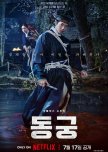
It’s a pity that I couldn’t watch The East of Palace until the end. I pushed myself to keep watching until the middle of episode 6 because of its beautiful, dark cinematography and the positive comments I had heard about it.I also found it interesting that the spirits were haunting the palace because of resentments from the past, which made me reflect that the real ghosts that haunt us in life are the feelings of guilt, anger, and bitterness we carry inside.
Despite that, I couldn’t immerse myself in the fantasy, perhaps because of my limited knowledge of the elements of shamanism or because the narrative doesn’t provide enough context to help viewers understand them. I wasn’t attached to the characters either. I don’t think they were developed enough for me to form an emotional connection with them. But, of course, this is just my perspective, and you may disagree with me.
I have to point out that Ggeomeoksali is adorable despite being an energy-sucking spirit, and it’s a pity I didn’t get to see more of it on screen.
Even though it wasn't my cup of tea, I can understand why so many viewers enjoyed it. Unfortunately, it just wasn't the right drama for me. Perhaps I simply wasn't in the right mood for this kind of story.
Esta resenha foi útil para você?
Esta resenha pode conter spoilers
My Liberation Notes: Had high potential but failed to deliver
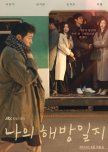
I enjoyed the first half of this series very much, but the second half was below par. I liked the three siblings characters, but it was obvious that both Yeom Mi-jeong and Mr. Goo were depressed, and I did not enjoy the story line of his alcoholism which made the show depressing at times. None of the three romances turned out well for the three siblings in my opinion. The dialogue was good, but the plot was very disappointing. I did not like the last episode at all, and I felt sorry for the three siblings who struggled so much from the beginning to the end of this series. I rate it a 6.Esta resenha foi útil para você?
Best Chinese Film Ever Made!
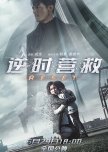
Frankly, I used to have a very negative attitude toward Chinese media. I hated almost all of the Asian stuff, except Japanese Kaiju-related media and Indonesian horror films. I accidentally turned the TV on and saw this movie, Reset (2017). I watched it and I really really liked it. I suddenly judged that China is the developed country in term of society and attitude of people. Later, I tried to watch more Chinese movies, but most of them make me sick, because of the misogyny, fragile female roles, Stockholm girl who loved narcissistic male protagonist. I stopped watching Chinese media for many years after that period, until 2025. I started to heavily watch Chinese media in 2025, after seeing Jeremy Xu in Braveness of the Ming. However, I am disappointed about the plots of many dramas. There is no REAL strong female protagonist, but in this movie, Reset. The quality of this movie is like horror and thriller films made by Warner Bros and Blumhouse. The role of women could teach young girls what they should really learn. Adult women are really adults. They are not childish like in those dramas.Esta resenha foi útil para você?

Provides some great social commentary
I really enjoyed this drama. The chemistry between the leads was very believable and the romantic thread was well paced. Perhaps it is a cultural thing but I wasn't thrilled with the seemingly standard trope they followed of allowing parental filial-piety to interfere with their lives for unreasonable reasons – especially considering their supposed ages and history but it did set up for an excellent ending scene for the pair.The story provides a great commentary on the fickleness/evil of social media comments – especially the blatant hypocrisy by the commenters who actually did bully someone that was merely alleged to have bullied an employee.
I do wish they'd done a little more on the romances for the other sisters (perhaps dropping the rather weak love triangle trope of the main romance thread). Both of those story-lines were interesting in their own right and I would have really liked to see them fleshed out. That is one criticism I have for many Kdramas, they seem to require having a secondary (and sometimes tertiary) romance thread that they then do little with.
Although I dislike the love triangle trope, I really did like the conversations between the two suitors and especially Yong Pil's attitude – ...'don't feel bad, you cannot control your feelings...' and to give his competition the advice to confess his feelings. Actual love for another means wanting what is best for them even if that means they chose someone else. The main thing I hate about the LT trope is it usually involves jealousy and this drama did not stoop to that.
Finally, the little girl actress (Kim Do Eun) was adorable.
Esta resenha foi útil para você?
Esta resenha pode conter spoilers
Can someone explain the hate?
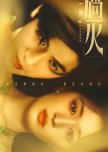
From the very first episodes, I found myself completely invested in the story. The plot moves at a steady pace, revealing just enough information to keep the suspense alive without becoming unnecessarily complicated. There are plenty of twists, shifting alliances, and emotional confrontations, but what kept me watching wasn't simply the revenge itself. It was watching how far the protagonist was willing to go in order to achieve it.We're so used to female leads who always make the morally correct decision, even when they're supposed to be seeking revenge. Here, that's simply not the case.
Ren Susu / Fang Mulan is intelligent, manipulative, determined, and, above all, deeply flawed and I absolutely loved that. There were many moments where I completely disagreed with her choices, yet I never wanted the drama to change her. he's someone you're meant to question, sometimes even criticize. Her obsession often takes precedence over the people who genuinely care about her, and the drama never pretends otherwise.
The best example of this is her relationship with Murong Qing Yi.
I honestly lost count of how many times I wanted to reach through the screen and tell her to stop hurting him.
Poor Murong Qing Yi spends so much of the drama paying the price for decisions that aren't even his own. Again and again, he becomes collateral damage in a revenge that was never his to fight. He remains loyal, patient, and willing to stand beside her even when she gives him every reason to walk away. While I understand why she keeps making those decisions—because revenge has completely consumed her—there were several moments where the pain she inflicted on him felt almost unnecessary. It wasn't the kind of suffering that naturally came from the circumstances; it was suffering created by her inability to trust, to let go, or simply to be honest.
And yet... that's also what made their relationship so compelling.
Visually, the drama is a bit of a mixed bag.
There are scenes that look absolutely stunning, with beautiful costumes, strong cinematography, and emotional framing that elevates key moments. Then, out of nowhere, the CGI reminds you that the budget clearly had its limits. Some effects look surprisingly rough and occasionally pull you out of otherwise powerful scenes.
One thing I know I'll probably be in the minority about is the opening sequence.
I actually preferred the original AI-generated opening. I know it sparked a lot of criticism when the drama aired, but personally, I thought it fit the atmosphere much better than the replacement version. More importantly, it didn't spoil the story. The new opening uses actual scenes from later episodes, and I've never been a fan of openings that reveal moments I'm supposed to discover naturally while watching. I much preferred the original version because it created intrigue without giving anything away.
Overall, Overdo was a very enjoyable surprise. A gripping revenge plot, engaging twists, emotionally layered relationships, and, most importantly, a female lead who isn't afraid to be selfish, stubborn, and morally questionable made this a refreshing watch from beginning to end.
Esta resenha foi útil para você?

feelings
- mình đã khá mong chờ phim vì đây là dự án của TutorYim do couple này ít phim đóng chính nữa. Nhưng có vẻ cty kh chú trọng đầu tư cho couple này lắm- diễn xuất thì với TutorYim thì diễn xuất khỏi phải bàn rùi, nhưng riêng về phần nhân vật thì mình thấy không hợp hình tượng 2 bạn lắm … đấy là cá nhân mình cảm giác thui. Vì theo như lời thoại nói nhân vật Earng là người to con không nhỏ con dễ thương, nhưng khi đứng với Bom =)) dù Earng có hình xăm nhưng nhìn vẫn có tí tẹo à. Nhưng tuy vậy, riêng về nội dung tâm linh thì mình thấy khá hợp với 2 bạn, do từ phim cutie pie 2 bạn cũng đóng nhân vật thiên về tâm linh nên qua phim này vẫn hợp, chỉ có cái hình tượng nhân vật mình thấy chưa hợp lí
-Nội dung phim : mình khá thích cái kiểu kể về cuộc sống tình cảm của 2 người mỗi ngày, nó chân thực. Nhưng mình tiếc là nó chưa đủ để nổi bật phim ý kiểu chưa có nhiều điểm nhấn
- Điểm cộng lớn của phim là healing, kiểu được chữa lành cực lunn
* Nhưng dù sao đó cũng chỉ là quan điểm cá nhân của mình, mong khi bạn đọc xong bạn vẫn sẽ tự mình trải nghiệm , xem phim và nhận xét theo quan điểm của bạn
Esta resenha foi útil para você?


