

Interesting premise, but not quite fulfilling.
“Fulfill” might stand out as the first GL series to center its story around a married couple, exploring the complexities that come with life after marriage, aiming to appeal to viewers who are looking for something fresh in romantic storytelling. However, despite its interesting premise, the series struggles with some major storytelling issues. The most critical issue is the absence of a clear, overarching plot. Rather than concentrating on a central conflict that drives the story forward, this series spreads its focus over multiple subplots and conflicts. While the plot of Nabneung and Phupha are ones that I think the most relevant, they develop a bit too late in the series to have the emotional impact it should. And the lack of punch in certain storylines make the whole series feels pretty flat and scattershot. Not to mention, the villain lacks any nuance and seems quite cartoonish.Aside from the storyline issue, I found the dialogues/lines to be somewhat unnatural too. It’s not really about the actresses' delivery, but rather how the script is written. Non-Thai speaker might not notice this, but the conversation feels preachy or more like them giving speeches rather than having a natural, emotional back-and-forth banter between the characters. Sorry to say, but director Nay Saratswadee didn't really redeem herself or deliver anything impressive with this series in terms of production aspects as well. Everything feels and looks too safe. Perhaps Ch3 should look into not hiring her for future GL projects.
On the flip side, the performances by Oom Eisaya and Bam Saralee have been widely acclaimed. Their strong off-screen chemistry translates into good acting, adding credibility to their roles. Sure, there are some cute moments, however, their on-screen portrayal of a long-term couple transitioning into married life lacks full conviction. Plus, their dynamic heavily relies on the stereotypical top/bottom-masculine/feminine tropes - the more masculine lead is written as clueless and emotionally dense, while the more feminine one is shown as overly sensitive, sulky, and always needing to be pursued. It's like watching a typical hetero lakorn, but with two sapphic women as leads.
In summary, “Fulfill” is a GL drama that dares to venture into the less-explored territory of married life, but unfortunately, the execution falls short. While the performance is praised, the plot is a bit scattered and the character dynamics lack believability. If the storyline were tighter, this series could really change the game in GL storytelling. If you're expecting a series with an emotional rollercoaster, Fulfill won't fulfil you.
¿Te ha parecido útil esta reseña?
These Kids Definitely Get Schooled!!!
School bullying has definitely become a very popular theme with so many dramas ... but this one has a bit of an original take.It's always difficult to watch kids abusing other kids, but there's a lot more to the story. It's not just physical abuse, but psychological as well. It's also parents going too far, either with their kids or with their kids' teachers. Punishment and retribution play a big role with several sub stories through the series.
Mu Yeol does a great job playing Hwa Jin. He's a great enforcer injustice for the abused kids. I normally don't like the whole scenario of one person walking into a room of a dozen people and being able to beat the hell out of all of them without getting hurt ... but this is really entertaining to watch. Teamed up with Ki Joo, the two really become a one two punch!!!
Besides several teenagers being antagonists, there are several horrible parents to contend with. A few of the stories really pull you in, making you cheer and laugh as the tables get turned toward the abusers.
You kind of see a season two coming, the way things conclude. I'm sure it will be entertaining, because nothing ever got boring throughout these eight episodes.
Really enjoyable series!
¿Te ha parecido útil esta reseña?
Mah, c'è di peggio.
Dovevo riconnetermi un po' con le mie radici cringe e devo dire che ci sono riuscita. Questa serie è una serie chill, che si vedo mentre si sta facendo altro e che oggettivamente si basa tanto (se non quasi completamente) sulla chimica fra gli attori protagonisti (Boat e Oat) e sulle scene NC. Per questo ho detto che dovevo riconnetermi con le mie radici cringe. Perché alcune scene lo sono e anche la trama in alcuni punti è un po' così. Però al netto di tutto è una visione piacevolem che si lascia guardare. Di questa serie c'è poco da dire perché di base c'è poco punto, però sinceramente piuttosto che altre serie che si spacciano per super impegnate e poi non lo sono devo dire che questa non promette nulla di quello che non è. Mi è anche piaciuta la ragione dietro al perché Sorn non si mette con i ragazzi più giovani di lui, che anche se magari molto basic, crea almeno un secondo strato al personaggio che poteva sembrare invece molto superficiale.Detto ciò una visioncina carina, adatta per ammazzare il tempo devo dire, però sempre piacevole.
¿Te ha parecido útil esta reseña?
Las aventuras de Zhan Zhao
A 1 usuarios les ha parecido útil esta reseña
Absolute masterpiece!
Best martial arts display I have ever seen in a C-drama.I kept going from episode to episode because the adventure was so engaging and the puzzle pieces fit together perfectly. The CGI was amazing, but Yang Yang’s acting completely stole the show.He didn't just play a hero; he embodied his character completely. Instead of being a stiff, boring robot, he brought genuine warmth to the role with subtle smiles that made him feel like a real, reliable friend. His physical control in the fight scenes was unmatched—every move was crisp and powerful.
You can truly feel the weight of his performance. He masterfully acted out the heartbreak of a self-sacrificial man.
I cant wait for season 2!
¿Te ha parecido útil esta reseña?
This review may contain spoilers
Decent
The Rational LifeWang Hedi - Qi Xiao
Qin Lan - Shen Ruo Xin
From the very beginning of this drama, I love Qi Xiao as a character. I also love Shen Ruoxin as a character as well. I think they are both perfect for each other in terms of personality. Qi Xiao is definitely that golden retriever, sort of innocent and naive young guy who is trying to find true love while having a very optimistic view on life. Shen Ruoxin is that powerful businesswoman who needs someone to lighten up her own life and provide her with some goofy times and just relaxation. I also love their relationship in the beginning (I’m on episode 11) with Qi Xiao always being there for Ruoxin and vice versa.
I also love the main message that both of these characters are conveying. Shen Ruoxin fits that very typical role of being a woman who is urged to live her life a certain way to fit within societal expectations. I really don’t like Ruoxin’s mother though. She always yells at Ruoxin for not telling her anything, but then getting mad everytime that Ruoxin tells her something she doesn’t want to hear. Qi Xiao is that individual who was forced to mature and become independent for his family, due to circumstances that he couldn’t contorl.
I got to say though, there has already been some tensions that are building up between them two. The scene where Qi Xiao is helping Ruoxin sew and fix her dress/romper that doesn’t quite fit was so tension-filled. Him having to cinch the dress at her waist and wrap his arms around her to get the measurements. Also, I love how Wang Hedi portrays those scenes with Ruoxin trying on new clues. The amazement and just awe in Qi Xiao’s eyes when looking at Ruoxin is like he’s looking at the most beautiful woman he’s ever seen.
Ok, I have to talk about episode 13 specifically. Mr. Xu tried to confess his feelings to Shen Ruoxin with this very elaborate flower pathway, rooftop dinner, and crazily epensive necklace. But, Shen Ruoxin stood her ground with her own morals and values, which I absolutely loved. She stated that she wanted to rise to the top on her own instead of being dragged up there by someone else. So, she rejected almost the “dream” life that any other woman may want if they’re focused on status and money. Instead, she went back and celebrated her birthday with her true friends, a smaller rooftop party, skewers to eat, and then Qi Xiao’s handmade jewlery based off one of her own telescopic images. This gift was a whole lot less expensive and more thoughtful than Mr. Xu’s. Shen Ruoxin accepeted this one with no issue and loved the thought behind it. I just absolutely love the decisions that Shen Ruoxin made in that moment with her two different options.
I just finished episode 19 and I definitely have some thoughts. First off, that whole thing with their car exhibition and the forgetting car seats mistake. I don’t know why I teared up when I saw Qi Xiao coming along with his motorcycle and saving the day. This scene just really solidified for me, his endless dedication and determination to make Ruoxin’s life the best it can be. He quite literally saved the day by doing that and I know Ruoxin could feel it too. BUT THEN SHE DECIDES TO LEAVE….HELLO! I know that Ruoxin was also hesitant and wanted Qi Xiao to come along, but obviously Qi Xiao’s mother needs his help in Shanghai and that makes sense. I just am so sad to see that relationship fade away for a bit at least while she is all the way in Shenzhen. Qi Xiao and Ruoxin’s dynamic just worked so well and he was always there to support her and she supported him as well. They just got each other. Plus, I don’t know how I feel about Ruoxin leaving with Mr. Xu. I can’t help but have this feeling that he has an ulterior motive for bringing Ruoxin away from her family and from Qi Xiao. I think Ruoxin’s mother feels that too, which is why she was so apprehensive and gave Mr. Xu that speech. Mothers always know best, so I just hope that this move doesn’t become a disaster for Ruoxin.
Finally, they confessed during a rainstorm while locked in the office out of all places. The confession was really heartfelt on Qi Xiao’s side and I do understand Shen Ruoxin’s hesitation at first but I’m glad that she decided to just say yes and do something a little bit irrational. However, I have to say…they get together around episode 27 and idk why it is, but I instantly got bored. This is one of those dramas where I don’t really care about their dating era because I didn’t fall in love with the characters or environment of this drama. Now, this is just a watch I kind of have to get through if you know what I mean.
Ok, a little skip ahead…maybe a lot. I’m at episode 32 now and this is the plot point that annoys me with every age gap drama. For some reason, it’s always the woman being older than the man. But, I really hated Shen Ruoxin’s actions during this episode. The way that she is 12 years older, but less mature when handling her own relationship really just pisses me off. She really doesn’t get the issue with her old childhood classmate interfering in her relationship so much and giving Qi Xiao these insecurities that should be resolved by Ruoxin herself, yet she hasn’t even talked to him about it herself. Furthermore, I hated the way that she was acting like everything was fine. She should know Qi Xiao enough to know that he was upset over something and that something is that everyone is treating him like a baby when he is being more mature than Shen Ruoxin. I also hated Ruoxin’s childhood classmate bro. The way he was so insanely condescending towards Qi Xiao and acted like he was a much better option when we know that Ruoxin would never go for him. I ALSO HATED THE MOTHER THESE PAST 2 EPISODES. Bro, Shen Ruoxin’s mother is actually insane. She starts flipping Ruoxin’s house to look for evidence of her and Qi Xiao dating and crashes out, then goes and asks why she doesn’t tell her things. Qi Xiao’s mother is the prime example of what a mother should be like, believing in their own child. These past couple episodes, Qi Xiao’s side of the family really pulled through.
“The universe’s only miracle is love.” I did rlly like the ending of this drama though. I thought that both Qi Xiao and Ruoxin handled their miscommunication rlly well. Not only that, but I loved Qi Xiao’s whole jewelry design and the meaning/story behind it. I do think that Qi Xiao is a more thoughtful person than Ruoxin though. He’s just more expressive and supportive in their relationship I feel like. He’s done all this stuff for her and I don’t really know what Ruoxin has done for him. Although, I do love Ruoxin’s determination in her own work. I loved that small plot line in this drama. I don’t know what it is though, workplace dramas that have a big plot surrounding the workplace and business are never 10/10 for me. I think I get a little bit bored of the corporate environment.
¿Te ha parecido útil esta reseña?
This review may contain spoilers
A Battle of Pride, Ambition, and Unpredictable Chemistry
OVERVIEW:Hyena presents itself as a legal drama, but it is much more than court cases and corporate battles. At its core, it is a story about ambition, survival, and two people who are willing to do whatever it takes to stay on top.
The drama follows two lawyers who couldn't be more different. One comes from privilege, prestige, and a carefully planned path to success. The other has built her career from the ground up, relying on instincts, determination, and methods that often blur the line between right and wrong.
As their rivalry intensifies, they find themselves constantly crossing paths—both professionally and personally. What begins as a battle of pride slowly develops into one of the most entertaining and unpredictable dynamics I've seen in a legal drama.
MORE DETAILS (SPOILERS):
One of the things that surprised me most about Hyena was how quickly it establishes its characters. Within the first few episodes, you already understand exactly who these people are and what drives them.
The female lead is undoubtedly the heart of the drama. She is confident, fearless, and unapologetically ambitious. Unlike many female characters who are written to be immediately likable, she doesn't care whether others approve of her actions. She survives because she adapts, and she wins because she refuses to play by rules designed to keep her at the bottom.
The male lead initially appears to be her complete opposite. He is intelligent, disciplined, and believes in doing things the "proper" way. However, beneath that polished exterior lies someone whose confidence is repeatedly challenged throughout the series.
What makes their relationship so compelling is that neither of them truly has the upper hand for long. Every victory is temporary, every defeat becomes motivation and every interaction feels like a strategic game where both players are constantly trying to outsmart each other.
The drama also does an excellent job portraying the world of elite lawyers and wealthy clients. Behind the expensive suits and prestigious law firms lies a world driven by greed, influence, and power. The legal cases themselves are often interesting, but they primarily serve as a backdrop for the larger character conflicts.
That being said, there were moments where certain cases felt less memorable than others. While the character-driven aspects remained engaging, some legal storylines lacked the same emotional impact as the central rivalry.
I also felt that a few supporting characters could have received more development. Several of them have intriguing introductions, but their stories don't always receive the attention they deserve.
I DIDN'T LIKE:
Some of the legal cases become repetitive in the middle portion of the drama.
A few supporting characters feel underutilized despite having strong potential.
There are moments where the pacing slows down slightly, particularly when the focus shifts away from the leads.
Certain conflicts are resolved more quickly than expected, which occasionally reduces their emotional payoff.
I LIKED:
The chemistry between the leads is exceptional.
The dialogue is sharp, witty, and often genuinely entertaining.
The legal setting feels competitive without becoming overly complicated for viewers unfamiliar with legal dramas.
The drama maintains a strong balance between tension, humor, and emotional moments.
The production quality is consistently high, from the cinematography to the soundtrack.
THINGS I LOVED:
The greatest strength of Hyena is undoubtedly its characters.
The female lead is one of the most refreshing protagonists I've encountered in a K-drama. She is flawed, stubborn, and sometimes morally questionable, but that's exactly what makes her fascinating to watch. She never apologizes for wanting success, and the drama never punishes her for being ambitious.
The male lead's development was equally satisfying. Watching him slowly adapt to situations that challenge everything he thought he knew about success and relationships added significant depth to his character.
And then there's the chemistry. Their relationship isn't built on fairy-tale romance or endless misunderstandings. It's built on competition, respect, frustration, attraction, and mutual recognition. They constantly challenge each other, and that's what makes every scene between them so engaging. The performances elevate everything even further. Both leads fully commit to their roles, creating a dynamic that feels natural, believable, and endlessly entertaining. Even when the plot occasionally slows down, their interactions are enough to keep the drama engaging.
LAST BUT NOT LEAST:
Hyena is not your typical legal drama.
If you're looking for a series focused entirely on courtroom battles, this may not be exactly what you're expecting. The legal cases matter, but the true focus lies in the characters and the complex relationships between them.
It's stylish, intelligent and often very very funny, while still delivering enough emotional depth to keep you invested.
Is it for everybody? No.
Are the characters and their chemistry enough to make it memorable? Absolutely.
THE END:
Hyena is the kind of drama that succeeds because of its confidence. It knows exactly what it wants to be and never tries to fit into traditional expectations.
Some viewers may wish for more focus on the legal aspects, while others may find the character-driven approach far more rewarding.
For me, it's perfect as it is.
If you enjoy strong-willed characters, sharp dialogue, power struggles, and one of the most entertaining lead dynamics in recent K-dramas, Hyena is definitely worth your time.
HAPPY WATCH!
¿Te ha parecido útil esta reseña?
¿Te ha parecido útil esta reseña?
amazing acting by all cast
the storyline is so amazing and my Skynani is back with their outstanding acting. I'm so hooked to the story. Acting by the full cast is fabulous all of them nailed their character. the ost of the show is so amazing. I'm literally obsessed with the song. sky nani nailed it. their acting in episode 5 & 6 literally gave me goosebumps. I'm 100% sure I'll rewatch 2 this series. again one of the best drama I saw and cast choice is so perfect.¿Te ha parecido útil esta reseña?

This review may contain spoilers
The best BL ever!
In my opinion this is the best BL of all time. I’ve rewatched it 3 times already. It’s that good. This show isn’t for everyone & if you are triggered easily I wouldn’t recommend it. But if like red flags, manipulation, a little bit of sweetness then you’ll love this show. I’m glad Fan Xiao somewhat grew up & realized how much he hurt You Shulang. I’m also glad they got their happily ever after & even got married in the special episode.¿Te ha parecido útil esta reseña?
50 Shades of Betrayal and One Pot of Ink
The HeirIf you ever wanted a masterclass on how many disasters can happen over a block of ink, The Heir has you covered. 😆 What starts as a fascinating journey into the history and craftsmanship of tribute ink quickly turns into a marathon of twists, betrayals, greed, murder, family secrets, revenge plots, and enough scheming to keep every villain employed for life.
The strongest part of the drama is easily its unique subject matter. I never expected to learn so much about the history and importance of ink production, and the writers deserve credit for making such a niche topic genuinely interesting. The acting is stellar across the board. The villains are properly evil, not the watered down kind, and every actor fully commits to their role.
The male lead is undeniably handsome, but for much of the drama he feels more like a boy trying to survive a storm than a man steering the ship. Meanwhile, the female lead absolutely carries herself with confidence. She has that no nonsense attitude, sharp intelligence, and quiet strength that makes you believe she could walk into a room full of schemers and send them all home for detention.
My biggest frustration was the pacing. Every plot twist seemed to arrive carrying three more twists behind it. Just when one misunderstanding was about to be resolved, another betrayal appeared from the shadows. The story often felt like it was making us wait in line for outcomes that could have arrived much sooner. If dramas can suddenly time skip years for an epilogue, surely they could have shortened some of the endless untangling along the way.
The romance is mature and grounded. The separation between the leads never felt like a silly breakup manufactured for drama. They are pulled apart by circumstances, family obligations, and the sins of the previous generation. In many ways, they are paying the price for battles they never started.
Overall, The Heir is a well acted historical drama with a fascinating cultural backdrop, strong leads, memorable villains, and a believable romance. Just be prepared for a plot that sometimes treats "one more twist" as a personal life philosophy. By the end, you'll know more about tribute ink than you ever expected, and you'll probably have survived enough betrayals to qualify for emotional compensation.
Rating: 8.5/10
Worth watching for the history, performances, and mature romance. Bring patience for the endless plotting.
¿Te ha parecido útil esta reseña?
L'unico abbaglio è quello dello specchietto per le allodole...
Drama che ho atteso con interesse, confidando in una coinvolgente storia d’amore e intrigata dall’idea del sempre affascinante Li Yun Rui in versione biondo platino. Premetto che avevo già letto il racconto al quale si ispira, storia che ho trovato carina e abbastanza emozionante ma dove, tolta un’ottima chimica tra i protagonisti – almeno sulla carta - non c’era di fatto molto altro. La trasposizione si è rivelata – ahimè – un ulteriore passo indietro: sono davvero tante le differenze con il romanzo, modifiche a volte importanti, altre legate ai dettagli, ma che si notano fin dal primo episodio e che non portano a mio avviso nessun beneficio, anzi. Come c’era da aspettarsi, le scene più romantiche e intime sono state riviste – praticamente eliminate - facendo perdere grip a diversi passaggi. Ciò che però non mi aspettavo era uno slow burn romance così slow da farmi pigiare il tasto di avanzamento rapido già dopo i primi episodi. Una relazione più che altro platonica, che davvero fatica a decollare. Non è necessariamente un problema, un’evoluzione lenta del rapporto può aiutare a conferire credibilità, ma allora ci deve essere altro sul piatto a tenere lo spettatore incollato allo schermo. Invece qui la quotidianità perde velocemente fascino, scadendo in un’ordinarietà abbastanza banale. Certo, la loro connessione emerge dai gesti abitudinari e dagli sguardi che intercorrono tra loro, ma trenta episodi sono davvero tanti per tirare avanti così. Per quanto possa voler essere un comfort drama che punta a mostrare il percorso – inteso in termini di crescita personale - più che l’arrivo, è comunque necessario fare i conti con il tempo e con la responsabilità che l’aggiunta di ogni episodio non necessario comporta. Per come è stato impostato il drama, se ne potevano fare altri cinquanta di episodi senza alterarne il risultato, tanto ormai l’effetto è lo stesso: episodi tutti permeati da una graziosa o difficile quotidianità, ma che alla lunga davvero stanca.La recitazione porta a casa una buona prova, ma niente di incisivo. L’attrice protagonista in particolare tratteggia una ragazza che inizialmente non è solo altezzosa, sprezzante e diffidente – come giustamente si vuole che sia – ma anche estremamente antipatica. Un taglio espressivo che non si risolve nemmeno dopo, quando entra via via in relazione con i vari personaggi, secondari o meno. Ben caratterizzate sono le figure che circondano la coppia, dalla madre impulsiva di Wu alla nonna disabile, fino ai gruppetti di amici e nemici.
OST lenta, che sembra volersi sposare appieno con il ritmo del drama. La fotografia è curata e cattura panorami inusuali, regalando l’impressione di vivere nel piccolo paese costiero, tra i tramonti infuocati sull’oceano e le bancarelle del mercato, i campi di lavanda e l’atmosfera polverosa dell’estate.
In conclusione, lo definirei un drama che non puntava a essere chissà cosa, ed è finito che non è stato chissà cosa. Un limbo narrativo che non ha volutamente osato puntare a una commedia romantica travolgente o a un maggior approfondimento dei drammi familiari prediligendo invece – con un ritmo placido e tranquillo – una storia semplice, piacevole, ma basata su scelte davvero un po’ di comodo. Una visione che non va oltre la semplice, tiepida piacevolezza e destinata a cuori molto pazienti.
¿Te ha parecido útil esta reseña?
Fritto misto narrativo, il grande CAOS, talento senza ricetta!
Ambientata in una Corea del Sud sul finire degli anni Novanta, The WONDERfools segue un gruppo improbabile di persone comuni che, dopo un misterioso incidente legato a una sostanza sconosciuta, sviluppano poteri fuori dall'ordinario. Tra esperimenti segreti, sette religiose, bambini scomparsi, traumi del passato, criminali dai poteri sovrumani e una città minacciata da eventi sempre più inspiegabili, i protagonisti cercano di diventare eroi senza avere né le capacità né l'equilibrio necessari per esserlo. Quello che nasce come un racconto supereroistico si trasforma rapidamente in un miscuglio di commedia grottesca, mistero, melodramma, fantasy e thriller, nel tentativo di costruire un universo tanto eccentrico quanto divisivo.COSA NE PENSO: Ci sono serie mediocri che costano poco e non hanno grandi ambizioni. Poi ci sono serie che dispongono di mezzi enormi, cast prestigiosi, campagne promozionali internazionali e una cura produttiva impressionante, ma finiscono comunque per non funzionare. Per me The WONDERfools appartiene decisamente alla seconda categoria. La sensazione dominante che ho provato per tutta la visione è stata PREVALENTEMENTE DI confusione.
Non una confusione narrativa dovuta a misteri volutamente irrisolti o a una trama complessa. Una confusione più profonda, che riguarda l'identità stessa della serie. Per lunghi tratti ho avuto l'impressione che non sapesse cosa volesse essere. Vuole essere una storia di supereroi. Vuole essere una commedia grottesca con tono farsesco. Vuole essere un thriller legato a esperimenti segreti. Vuole essere un racconto di formazione. Vuole essere una storia romantica. Vuole essere una satira sociale alla Solondz. Vuole essere un dramma familiare.
Alla fine prova a essere tutto contemporaneamente e finisce per indebolire ogni singolo elemento poichè gli elementi narrativi di genere non sono armonizzati.
Negli ultimi anni il cinema e la televisione coreana hanno mostrato una crescente tendenza a scopiazzare l' Occidente. Non parlo delle produzioni mainstream più classiche, ma di quelle che cercano deliberatamente un'impronta autoriale eccentrica, irriverente e fuori dagli schemi. A volte mi sembra di vedere il desiderio di imitare autori come Yorgos Lanthimos, Wes Anderson, Todd Solondz, Jean-Pierre Jeunet o Spike Jonze: registi capaci di mescolare assurdo, simbolismo, ironia e tragedia all'interno dello stesso racconto.
Il problema è che quel tipo di cinema richiede un equilibrio delicatissimo. L'assurdo deve avere una logica interna. Il grottesco deve dialogare con il dramma. L'umorismo deve amplificare il disagio invece di sabotarlo.
In The WONDERfools, invece, spesso questi registri si scontrano frontalmente. Una scena cerca di commuoverti con il trauma di bambini sottoposti a sperimentazioni. Quella successiva ti chiede di ridere per una gag slapstick. Pochi minuti dopo arriva una situazione romantica. Poi una rivelazione pseudo-crime. Poi una scena quasi da cartone animato. Non percepisco una fusione tra i generi. Percepisco un accumulo!!!
Molti spettatori hanno definito la serie "folle" o "caotica" come se fosse automaticamente un pregio. Per me il caos funziona solo quando è governato da una visione precisa. Qui spesso sembra semplicemente mancanza di controllo.La componente comica è probabilmente l'aspetto che mi ha convinto meno anche se due risate me le sono fatte perché i coreani sanno essere comici come pochi.
Ho avuto l'impressione che la serie si fidasse troppo della stravaganza delle situazioni e troppo poco della scrittura. Molte battute sembrano gridare: "Guarda quanto siamo eccentrici!"
Peccato che l'eccentricità, da sola, non genera comicità. La comicità nasce dal tempo, dal ritmo, dalla costruzione. Qui invece ho percepito spesso uno sforzo evidente, quasi forzato, per risultare bizzarri.
Anche la componente thriller e investigativa mi è sembrata sorprendentemente fragile, con le motivazioni di alcuni personaggi sono poco convincenti.
Diversi snodi narrativi si reggono su coincidenze o comportamenti poco plausibili. Le rivelazioni dovrebbero aumentare la tensione ma spesso finiscono per sembrare scorciatoie narrative. Non ho mai avuto la sensazione di trovarmi davanti a una storia credibile, non nel senso di realistica, poiché una serie può parlare di teletrasporti, mutazioni e superpoteri ed essere comunque credibile, vedi Moving, di cui questa sembra la versione "temu" per citare un utente che l'ha così definita, e sono d'accordo.
Sul piano tecnico, invece, gli investimenti si vedono tutti. La sigla è splendida, molto AI, ma è come vedere un Magritte, un Dalì, un De chirico, un Andy Warhol tutti mixati.
La fotografia è curata e il color grading ha un senso mirato e plausibile, con un'identità visiva fortissima.
Perfino la distribuzione internazionale dimostra un investimento enorme: doppiaggi in una quantità impressionante di lingue e una promozione globale che raramente si vede per una serie televisiva coreana. Il problema è che una confezione elegante non può sostituire una scrittura solida.
E arriviamo alle interpretazioni: Park Eun-bin è senza dubbio la forza trainante della serie, ha un'energia fuori dal comune, cambia postura, espressioni, voce e linguaggio corporeo con una facilità impressionante. È una performer straordinaria. Eppure, per la prima volta da molto tempo, mi sono trovata a desiderare che si trattenesse un po'. Era molto, era troppo. Il personaggio è costruito sopra le righe e lei decide di spingere ulteriormente l'acceleratore. Il risultato, almeno per me, è che in diversi momenti smette di sembrare una persona e diventa una caricatura: smorfie continue, espressioni esasperate,movimenti eccessivamente enfatizzati. Capisco la scelta, l'intenzione ma è risultata innaturale.
Se devo riconoscere un merito enorme a The WONDERfools, questo va senza dubbio ai due comprimari principali, Im Seong-jae e Choi Dae-hoon. La serie li presenta come spalle comiche, ma finiscono per diventare il vero motore comico dell'intera storia.
Im Seong-jae, in particolare, mi ha impressionata moltissimo. Chi conosce la sua filmografia sa che proviene soprattutto da thriller, melodrammi e produzioni più drammatiche. Qui invece costruisce un personaggio completamente diverso, e il risultato è sorprendente. Non ho mai avuto l'impressione di vedere un attore che interpreta un "ingenuo"; ho visto una persona reale.
La sua mimica facciale, i tempi comici, il linguaggio corporeo, perfino il modo in cui reagisce alle situazioni più assurde risultano spontanei e credibili. Non cerca mai la battuta. Non forza mai la comicità. È divertente proprio perché sembra non rendersi conto di esserlo.
Anche Choi Dae-hoon lavora in sottrazione. Il suo personaggio potrebbe facilmente trasformarsi in una caricatura ambulante, e invece riesce a mantenere una sorprendente umanità. Le sue scene familiari sono spesso più coinvolgenti delle sottotrame principali, e il feeling che sviluppa con Im Seong-jae crea alcuni dei momenti migliori della serie. Insieme formano un duo comico perfetto. Uno è impulsivo, emotivo, istintivo.
L'altro è ossessivo, nervoso, ansioso, oppositivo, continuamente in lotta col mondo e con se stesso.
La loro dinamica non sembra mai scritta a tavolino per strappare una risata. Funziona perché entrambi credono profondamente nei rispettivi personaggi.
Anche il modo in cui la serie attribuisce i poteri ai personaggi è interessante.
Ro-bin sviluppa una forza fisica enorme, un elemento che ricorre spesso nella narrativa coreana e non solo. Non è la prima volta che vedo associare la forza sovrumana a personaggi descritti come semplici, ingenui o poco brillanti dal punto di vista cognitivo. È successo anche in Moving, dove il personaggio più forte veniva spesso considerato dagli altri "idiota" (cit.).
Non so se si tratti di una scelta simbolica consapevole o di una convenzione narrativa ormai consolidata, ma è curioso che la forza venga frequentemente attribuita a chi agisce più d'istinto che di ragionamento. Forse perché la forza rappresenta un potere immediato, fisico, incontrollato, e quindi si presta meglio a personaggi che non filtrano continuamente le proprie emozioni attraverso la razionalità.
Nel caso di Ro-bin, però, ciò che colpisce non è il superpotere. È la sua bontà, è un personaggio tenero, generoso, incapace di cattiveria; Im Seong-jae riesce a trasmettere questa dolcezza senza cadere nel pietismo o nel ludibrio. Per questo, alla fine, credo che siano loro i veri MVP della serie!
Cha Eun-woo porta fascino, presenza scenica e carisma. Park Eun-bin porta energia e una dedizione assoluta al personaggio. Ma senza Im Seong-jae e Choi Dae-hoon, The WONDERfools sarebbe stata molto più faticosa da seguire. Anzi, probabilmente sarebbe crollata sotto il peso delle sue stesse ambizioni. Sono loro che le impediscono di diventare una lunga, costosa e confusa esercitazione di stile.
Cha Eun-woo, fa esattamente ciò che fa sempre, è bello da guardare, è professionale, è corretto ma resta confinato in una comfort zone interpretativa che ormai conosco a memoria. Non commette errori, non sorprende mai. E per un personaggio che avrebbe dovuto rappresentare uno dei pilastri emotivi della storia, questo finisce per pesare perchè non dà una impronta personale alla serie.
Alla fine The WONDERfools mi è sembrata una serie ambiziosissima che continua a sabotare se stessa. Ogni volta che trova una direzione interessante, la abbandona per inseguirne un'altra, ogni volta che costruisce una tensione emotiva, la interrompe con una gag, ogni volta che costruisce una gag efficace, la soffoca con un dramma. Ogni elemento indebolisce l'altro. Mannaggia miseria!
I generi non collaborano, si ostacolano, uno sottrae forza all'altro, uno svuota l'altro di significato.
- La guarderei di nuovo?
- No!
- La consiglierei?
- Sì, ma con aspettative molto precise.
Guardatela come guardereste una curiosità televisiva costosa, visivamente accattivante e incredibilmente strana. Qualche risata probabilmente ve la farete. Qualche scena riuscirà persino a emozionarvi, forse, è soggettivo ma non aspettatevi una narrazione compatta o una grande armonia tra le sue componenti.
E se siete particolarmente sensibili ad alcune tematiche legate ai bambini e agli esperimenti umani, vi consiglio anche di saltare determinate sequenze.
Perché The WONDERfools non è un disastro ma è uno di quei casi in cui il talento, il budget e le buone intenzioni non riescono a trasformarsi in un'opera davvero riuscita.
¿Te ha parecido útil esta reseña?
Perfect Crown: A Contract Marriage That Rewrites Fate 8/10
Perfect Crown is a lush, alternate-reality romance set in a 21st-century Korea ruled by a constitutional monarchy, where a chaebol heiress and a melancholic grand prince forge a deal that changes everything. Seong Hui Ju—blessed with beauty, brains, and a fierce competitive streak—feels shackled by her "commoner" status despite having wealth by the bucket. Grand Prince Yi An, the king's second son born to the queen, carries royal blood as his only identity: he has nothing to own, lives in sorrow, and has been forced to suppress his passions for years, yet remains the people's "most beloved royal" for his dignity and charm.Their contract marriage is the spark: Hui Ju trades her independence for royal status, while Yi An finds someone who mirrors his predicament but made different choices. What begins as a transactional pact slowly unfurls into genuine connection, as two outsiders to true freedom—one wealthy but powerless by status, one royal but powerless by design—learn to own their desires and rewrite their fates.
The cast elevates every moment. IU as Seong Hui Ju is magnetic—her fire, ambition, and vulnerability make Hui Ju's journey from frustrated heiress to empowered royal feel authentic and gripping. Byeon Woo Seok as Grand Prince Yi An is equally compelling, balancing quiet restraint with simmering passion; his dignity and hidden depth make Yi An's transformation from silenced prince to someone who finally claims his heart utterly rewarding. Their chemistry grows naturally from skepticism to tender, real love. Steve Noh as Min Jeong U brings sharp wit and loyalty as a key ally, while Gong Seung Yeon as Yun I Rang adds intrigue and emotional weight to the court's tangled dynamics. The ensemble makes the world feel alive and the stakes personal.
The show excels in world-building, costumes, and court drama tension, blending romance with class and identity conflicts. Some pacing dips and a few predictable rom-com tropes keep it from perfection, but the emotional core and the "what does it mean to truly own yourself?" theme carry it strong.
An 8/10 for fans of royal romance, contract-marriage stories, and class-driven drama with a fresh, monarchic twist.
¿Te ha parecido útil esta reseña?
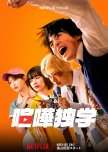
Viral (s)hit
Avec sa tête de gendre idéal, Suzuka Oji et son ton mielleux m'irritent dans ses apparitions dramatiques depuis des années. Forçant le trait de la mièvrerie, ou tout du moins de la douceur incarnée, nombreux sont ceux qui ont eu envie de se mettre à l'ijime après l'une de ses prestations. Il incarne la victime scolaire, professionnelle ou amoureuse tellement naturellement que les producteurs de Viral Hit ont décidé d'en faire le personnage principal d'un énième shōnen manga qui, sous couvert d'adaptation d'un webtoon coréen, n'ose pas dire son nom. Mais à force d'exagérer le trait du misérabilisme, n'ont-ils pas créé une énième bouse télévisuelle destinée au retour d'école des élèves n'ayant pas d'activités sociales et, malheureusement, pas d'amis ?Bien sûr, je ne méprise pas les victimes de harcèlement ni les faiblesses de caractère suggérées par l'auteur. J'en étais moi-même une et je le ressens encore parfois dans certaines situations, bien que j'aie maintenant 50 ans. Mais la représentation très américaine et très années 80 qu'en ont les producteurs et une partie du staff, espérant faire de Viral Hit le nouveau Karaté Kid à une époque qui n'est plus du tout celle des Goonies et d'Indiana Jones, pour surfer sur la vague rétro et en tirer un maximum d'argent, me dégoûte au plus haut point. Et pourtant, si Viral Hit semble n'être qu'une nouvelle licence de shōnen, il semblerait qu'il soit bien plus profond qu'il n'y paraît...
Non, je déconne. Il est ultra cliché, démodé et pousse les stéréotypes à l'extrême, comme on pouvait s'y attendre. Un tel parti pris tient d'ailleurs de l'art, car toutes les cases sont cochées pour faire de ce nanard une œuvre culte.
Le héros est aussi pathétique que flamboyant lorsqu'il se sort de situations complètement irréalistes. Les grosses brutes qui font régner la terreur dans des classes sans professeurs du début à la fin de la série, avec des acteurs approchant la trentaine mais jouant des lycéens de 18 ans. Et le lycée n'est même pas présenté comme un repaire de yankees ayant quadruplé leur CM2. Non, tout le monde trouve normal de diffuser en direct des bagarres en classe où le combattant de MMA défonce le geek à lunettes. Ah ben non, ils ont oublié les lunettes, le cahier des charges n'est pas complet, mais il y a la coupe champignon.
Du coup, la dénonciation des réseaux sociaux tombe complètement à l'eau dans cette réalité parallèle où tout le monde veut faire du buzz pour l'argent. La mise en ligne de violences ne provoque aucune intervention de quiconque, ni professeurs, ni police, ni public. Par contre, la menace de montrer une quéquette semble être la plus grande ombre planant sur ces yankees 2.0. Cent personnes assistent aux scènes mais uniquement deux filment. Des gars sont prêts à se faire humilier pour 1 000 yens (environ 6 €). L'exposition de la pauvreté est dépeinte de la manière la plus maladroite qui soit : « Je vis dans un taudis mais j'ai une connexion internet », pourtant très chère au Japon, qui me permet par exemple de faire du livestream. Ou encore : « Je mange cinq fruits et légumes par jour pour me faire des muscles », alors que cinq minutes auparavant, gâcher 100 yens pour un café lui aurait permis soi-disant de manger pendant trois jours.
Et je passe sur les torrents de larmes de la trop geek Mikami Ai face à l'injustice et aux coups la font passer pour une écervelée, rôle déjà endossé par son statut de faire-valoir, de princesse à sauver ou de tout ce que vous voudrez pour Nukumi Meru.
Reste quand même le plaisir de voir Sugou Araki se démener pour atteindre le jeu et l'aura de son frangin dans un school drama taillé pour lui. Pathétique rime parfois avec sympathique, et c'est bien ce qu'il dégage dans son interprétation, faute de parvenir à atteindre celle de Masaki Suda, que tous les réalisateurs japonais s'arrachent.
Finalement, c'est un peu comme la série des Senkyo. On trouve la série nulle à souhait, mais c'est précisément cette nullité qui en fait une œuvre indispensable, sans parvenir toutefois à dépasser cette référence du nanard. Si vous cherchez plutôt une satisfaction dans la vengeance de personnes empêtrées dans leurs problèmes, leur médiocrité ou leur lâcheté, le film Warui Natsu (Bad Summer) fera bien mieux l'affaire. Voilà une galerie de beautifull losers qui vous apportera votre dose d'émotion.
¿Te ha parecido útil esta reseña?
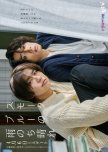
Smoke Blue no Ame Nochi Hare
A 2 usuarios les ha parecido útil esta reseña
L'ordinaire en bleu fumé…
Les séries mettant en scène des personnages de plus de trente ans rencontrent moins de succès. Non seulement parce qu'elles vendent moins de rêves, mais surtout parce qu'elles s'adressent à un public différent. Les problématiques de l'adolescence et de la vie de jeune adulte ne sont pas les mêmes que celles de la trentaine et au-delà.Life in Smokey Blue possède un rythme lent et mesuré. La vraie vie n'est pas un chamboulement constant. C'est un long fleuve tranquille qui connaît parfois quelques secousses et vagues, mais rien qui ressemble à une vie d'action où l'on peine à reprendre son souffle.
J'apprécie le choix du casting (entendez par-là des acteurs qui correspondent à la tranche d'âge mise en scène), ainsi que l'approche mature et ordinaire de la romance. Chacun est confronté à sa vie actuelle (le deuil, l'envie de se lancer dans une nouvelle voie professionnelle, les attentes de la société, etc). J'ai aimé le sentiment de sécurité de Kuji, et celui animé par Azuma. Ce sont deux bons acteurs, tous deux livrent des personnages attachants.
D'une certaine façon, les décisions de nos vies sont comme le choix des mots dans une traduction. Tous les mots sont bons, mais tous ne sont pas appropriés au contexte. Il faut prendre en compte l'époque de l'histoire, mais aussi le public. C'est la même chose pour Kuji et Azuma : ils ne sont plus les mots d'autrefois. Ils en sont devenus de nouveaux, plus en accord avec leur état d'esprit actuel.
En bref, Life in Smokey Blue est une histoire ordinaire joliment menée par une émotion réaliste et mature. Le genre de récit qu'on devrait davantage voir porté à l'écran, BL ou non.
¿Te ha parecido útil esta reseña?


