

Wo Ping Ben Shi Jin Leng Gong
0 personnes ont trouvé cette critique utile
Cette critique peut contenir des spoilers
My official breather drama before preparing myself for another wave of emotional damage.
Please Don't Spoil Me (Season 1–5) — ReviewSometimes, all you need is a drama that doesn't try to emotionally destroy you.
After finishing several heavy historical and xianxia dramas filled with heartbreaking sacrifices, tragic destinies, and emotional damage, Please Don't Spoil Me became my perfect breather drama.
The story follows Yan Yiyi, a novelist who suddenly finds herself inside the world of her own novel. Believing she already knows how everything will unfold, she tries to follow the original script so she can safely return to the real world. However, things quickly spiral out of control when the characters—especially Qin Yu—begin making choices that no longer match the story she originally wrote. Instead of controlling the plot, she slowly realizes that fate isn't as easy to rewrite as she imagined.
What I enjoyed the most was how self-aware the drama is. It constantly pokes fun at common romance and transmigration tropes while still delivering an entertaining love story. Since each episode only lasts a few minutes, the pacing stays fast, and there is hardly any filler. Before I knew it, I had already finished one season and immediately clicked the next.
Yan Yiyi is a fun female lead. She's clever, expressive, and often relies too much on the "script" she believes is still unfolding. Watching her slowly accept that the story has changed was one of the most satisfying parts of the series. Meanwhile, Qin Yu is exactly the kind of male lead who gradually grows on you. Beneath his composed and authoritative exterior is someone who genuinely cares, making their relationship both sweet and enjoyable to watch.
Of course, this isn't a high-budget production, and there are moments where the story feels simple compared to full-length historical dramas. But I don't think that's the point. The drama knows exactly what it wants to be—light, funny, romantic, and easy to binge. It never pretends to be something bigger, and that's part of its charm.
What surprised me the most was that even after five seasons, I never felt exhausted. Instead, it felt like watching one complete story that was simply divided into shorter chapters. Every season added something new while keeping the same fun energy that made me start the series in the first place.
Overall, Please Don't Spoil Me won't replace the grand historical epics or emotionally devastating xianxia dramas on my favorites list, but it gave me exactly what I needed at the right time—a relaxing, entertaining, and feel-good watch before diving back into another round of heartbreak.
If you've been emotionally wrecked by heavy angst dramas and need something fun without turning your brain completely off, this is definitely worth adding to your watchlist.
Cet avis était-il utile?
A perfect light hearted watch but left me feeling a bit incomplete
I think it would be more fun to read if you read the webtoon it's based on; I didn't read it, so it did feel a bit empty without reading it. The overall story was super cute and entertaining; it was hilarious for sure. I don't know if it was because it's based on a webtoon, but the story didn't feel like it had depth because of how short it was; it's not a slow-burn romance, maybe that's why. The plot seemed rushed a little bit towards the second half, and the ending was way more rushed at the end so I didn't feel like I got enough closure. I was hooked in the beginning because of the humour. I love the character development of the male lead, but in my opinion, there wasn't much chemistry on screen between the actors; but then again, it is a more humour-focused drama. Overall, I would recommend you watch it if you are looking for a light-hearted and feel-good drama.Cet avis était-il utile?
Cette critique peut contenir des spoilers
There Are Too Many Cooks in the Kitchen!
Now, I THOROUGHLY enjoyed this series. Hand to God, I enjoyed it. However, one major qualm I had with this series had nothing to do with the main leads/main plot. My major qualm had everything to do with all of the side characters involved in this drama.I don’t mind B-Plot; I don’t mind side characters. I don’t even mind being allowed to experience their lives and their trials and tribulations when they’re not with the main characters. However, there are TOO many side characters in this drama. I am NOT exaggerating when I say this and I would like people to take heed of my words here. There are so many side characters that were introduced early on in the series that you will forget who they are and who they’re supposed to be. It doesn’t help that some of these characters look eerily similar to one another, which makes it even more difficult to distinguish this side character from another.
There are so many scheming and plotting female side characters in this drama that they simply began to melt into one another in my brain, I fear. That’s one of the major reasons I couldn’t rate this drama the 9-stars I originally was going to give it. I was honestly contemplating a 9-star rating (which is already rare enough from me); but as the drama progressed and we were constantly being thrown into the scheming plot of some side character that may have been introduced in the first 3 episodes, I had to knock off at least half of a point for my final rating. So much happens throughout the story, that you’re simply not going to remember the 45 characters that were introduced in those first 3 episodes. Now, THAT is an exaggeration. There weren’t 45 characters, but it definitely felt like it.
This drama would have benefited from picking one person or at least one set of people to be the antagonist/villain (s) of the drama honestly. There were far too many villains running rampant throughout this story and that also took away from the story they were trying to tell. If the evil has been defeated, then the evil should REMAIN defeated. Stop bringing people back from the dead! Metaphorically speaking, of course. It’s almost like after we think we’ve defeated one villain and tied up all loose ends connected to said villain, we’re forced to see them again a few episodes later. The problem with this is that the current ongoing villain is also putting their hooks into the leads and into the overarching plot, so why? Why bring back the low-level villains at all? Let them stay gone!
We’re in the thick of it; we’re at the meat and potatoes of the Big Bad for the entire series. We don’t need to keep dealing with minor villains with very very low stakes. And at some point, it seemed like they were forcing threads and connections from the earlier villains to connect to the Big Bad (s) of the series and I did NOT like that either. There was no reason for the FL’s ex-fiancé AND the FL’s sister’s husband to BOTH be connected to the Big Bad. None whatsoever. That seemed to be a little TOO convenient for my tastes; it was too much of a coincidence and it’s honestly lazy writing in my book. It became too convoluted. Less is more! Keep it simple, stupid (K.I.S.S). Speaking of which, there was a very common occurrence of many of the characters in the palace of being very incompetent and honestly quite gullible. There's no way all of the people within the imperial family should have fallen for the Princess Royal's lies that easily. So, all of them believed her? Not one person questioned her motives and why she needed them to believe that the leads were their mortal enemies? I don't buy it. In a drama where everyone is plotting, scheming, and backstabbing each other for their own selfish reasons, their trust and faith in her came far too easy.
Also, ANOTHER major reason this drama didn’t work for me (even though I enjoyed it) is the gratuitous use of violence, especially the sexual violence against women. There were MANY scenes in the beginning of this drama (within the first 10 episodes) where women were being physically violated in every way imaginable. We watched the FL’s sister's husband (who forced his wife to lure her own sister [the FL] to their home so he could rape her in the original timeline btw) abuse his wife in a very graphic manner. It wasn’t alluded to; it didn’t happen off-screen. We watched him physically assault his wife. Honestly, it could be a huge trigger for some and I think there should have been some sort of warning that it was gonna happen. Damn the spoilers! Also, that same husband turned out to be a monster who kidnaps, rapes, tortures, and then later murders multiple women from the kingdom, including noble women. There were plenty of B-plots where innocent women were being kidnapped and trafficked and I’m confused as to why it was such a major aspect of this series. They could have gone in any direction they wished except for that one. It was lazy writing because it means they lacked the imagination and creativity to give us something else, anything else. There was no lesson to be learned and it added nothing of substance to the drama overall.
And I CANNOT stress this enough – the CAST saved this drama. The writing for this drama became even more convoluted towards the end. I’ve never been very fond of slice of life type of dramas; it simply never appealed to me. However, after finishing this drama, I find that I prefer slice of life plots wayyyy more than the political espionage of palace dramas. The last half of this drama lost me. I can’t believe I’m saying this but the first half of this drama with the slightly slow, slice of life-vibe was FAR more interesting to me than the latter half with backstabbing, scheming, and incompetent leaders. Don't get me wrong - the first half is decently paced and this is coming from someone who hates slow burns but the pace of this series was not painfully slow, so it worked!
Would I recommend this? Ehhh, maybe? I can’t say for certain because the cast is quite strong and their chemistry with each other is VERY good but I don’t know if that’s enough to justify sitting through 40 episodes. Would I rewatch it? No. I’m not a rewatch kind of girl anyway but there have always been exceptions to that rule. However, this drama isn’t the exception unfortunately. I could see myself rewatching the first half while skipping certain things because watching the leads fall in love with each other was really entertaining. But after that, doubtful.
Cet avis était-il utile?
BEST HIGH SCHOOL LOVE STORY
Since 2022 "Between Us" hasn't had such a thrill watching each episode and waiting for it for what felt like 7,000 years. The fact that it's set in the 90s makes the atmosphere even more romantic. Ko Song's love, which was palpable from the very beginning, and Ko Nung's realization of his feelings were simply the best thing ever. The actors chemistry is incredible, both on and off-screen. I'm really looking forward to their next work they've proven themselves to be very professional at such a young age.Cet avis était-il utile?
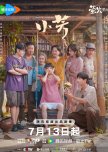
Best series this year, for real
1. Pitch-Perfect Village ComedyThe show excels in its multi-generational, fast-paced comedy. What begins as an unexpected pregnancy quickly escalates into a hilarious, tangled mess of eager matchmakers, squabbling in-laws, opinionated aunts, and chaotic local feuds. The humor feels authentic and observational rather than forced—relying on sharp dialogue, colorful supporting characters (especially Xiaofang's formidable grandmother), and the funny absurdities of small-town interfamily dynamics.
2. Wang Yinglu’s Stellar Performance
Wang Yinglu (known for I Am Nobody) shines as the titular Yang Xiaofang, anchoring the series with magnetism and nuance. She infuses Xiaofang with a mix of deadpan comedic timing, stubborn courage, and deep vulnerability. Wang avoids the trope of a passive victim; instead, she plays a fiercely grounded, independent woman who responds to life's curveballs with wit and quiet strength. Her expressive performance keeps the emotional stakes real amid the surrounding chaos.
3. Breath-Taking Guizhou Sceneries
Filmed on location in Guizhou (including the lush landscapes around Guiyang), the series is a visual treat. The cinematography takes full advantage of Guizhou’s rolling green mountains, mist-shrouded hills, and vibrant, sunlit countryside. The rich, saturated palette of the natural scenery gives the village an inviting, almost cozy atmosphere, making the backdrop feel like a character in its own right.
Cet avis était-il utile?
Best Family series ive watched
If you are looking for a heartwarming, lighthearted escape filled with genuine belly laughs, the rural family Chinese drama Xiao Fang comes highly recommended.Set against the charming and vibrant backdrop of countryside life, the series brilliantly captures the chaotic, affectionate dynamics of rural family living. What makes Xiao Fang stand out is its masterful comedic timing—it relies on relatable everyday misunderstandings, colorful village personalities, and sharp, witty dialogue rather than forced gags.
Wang Yinglu and Xin Yunlai as leads are very effective. I love the relationship of their characters in the show, and on how they grow together as co-parents of Bite.
Cet avis était-il utile?
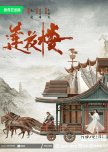
Mysterious Lotus Casebook
5 personnes ont trouvé cette critique utile
"Sherlock" nel mondo wuxia: il cluedo cinese.
Mysterious Lotus Casebook, per comodità MLC, è un wuxia investigativo con sfumature filosofiche, unico nel suo genere, dietro la struttura di un grosso mistero da risolvere nelle arti marziali, si nasconde infatti una riflessione sorprendentemente adulta sul fallimento, sulla perdita dell'identità, sulla malattia e sulla capacità di lasciare andare il proprio passato. È una serie che, dal punto di vista della scrittura, dimostra una maturità rara nel panorama televisivo cinese contemporaneo.Più la storia procedeva, più emergeva la profondità malinconica raffinata, di stampo esistenzialista della sceneggiatura, tuttavia la messa in scena, invece, resta ancorata ai limiti di un prodotto televisivo incapace di raggiungere la stessa intensità.
Il cuore del drama è Li Lianhua (Cheng Yi). Quello che inizialmente appare come un medico vagabondo, pigro e ironico, è in realtà un un uomo leggenda. Dieci anni prima era Li Xiangyi, il più grande maestro del jianghu, un eroe venerato da tutti. Ha perso il prestigio, la salute, gli amici, la donna che amava e perfino il proprio nome.
La scelta più intelligente degli sceneggiatori consiste nel non raccontare la sua ascesa, ma il suo declino, non si assiste alla nascita dell'eroe, bensì alla lenta dissoluzione del mito.
In un panorama televisivo spesso dominato da protagonisti destinati a diventare sempre più forti, Li Lianhua percorre la direzione opposta. Ogni combattimento accelera il veleno che lo sta uccidendo. Ogni volta che utilizza la propria energia interna sacrifica una parte della vita che gli rimane. È un protagonista che conosce perfettamente il prezzo delle proprie azioni e se ne fa carico.
La sceneggiatura evita il sentimentalismo facile. Il tema centrale non è la vendetta, ma l'accettazione. Non è il ritorno dell'eroe, bensì la sua rinuncia. Li Lianhua non desidera riconquistare il passato; desidera liberarsene e chiudere pacificamente la propria esistenza, lo tiene in vita un ultimo desiderio, alimentato dal senso di colpa, vendicare la morte del proprio maestro: Shan Gudao.
Anche il rapporto con l'amata segue questa logica. Molti spettatori si aspettavano una riconciliazione romantica, io ho apprezzato come gli autori abbiano scelto una strada decisamente più adulta e tristemente realistica. Il loro amore non viene negato, semplicemente appartiene a due persone che non esistono più. Lei ama Li Xiangyi e lui ha smesso di essere quell'uomo. È una conclusione amara ma coerente, molto distante dai cliché romantici tipici del genere. Apprezzabile che si porti sulla scena la vita reale: quante coppie ad un certo punto si lasciano perché non possono più accompagnarsi, perché cambiano obiettivi , valori, loro stessi non sono più gli stessi di quando si sono trovati. MLC trasmette un messaggio profondo: il percorso che unisce due persone non è necessariamente destinato a durare per sempre.paradossalmente è quanto di più realistico offra questa sceneggiatura coraggiosa, tra combattimenti aerei e artefatti magici.
I dialoghi spesso acquistano una profondità insolita. Si parla continuamente del peso della fama, del fallimento, della memoria, del rimorso e della libertà; il jianghu smette di essere soltanto un luogo popolato da guerrieri e diventa una metafora della vita stessa.
Per questo motivo considero la sceneggiatura meritevole di un voto molto alto (8,7).
Eppure il voto complessivo dell'opera rimane inevitabilmente più basso, poiché la sceneggiatura non è il drama ma soltanto uno dei suoi aspetti (uno dei più importanti, infatti ho fatto una media ponderata tra le voci).
La regia, le interpretazioni, la fotografia e la OST costituiscono il limite che non fa decollare una buona scrittura.
Molte sequenze risultano corrette ma prive di personalità. I dialoghi importanti sono spesso ripresi con il classico alternarsi di primi piani e campi medi, senza una costruzione visiva capace di amplificare il conflitto emotivo. Manca quella ricerca dell'immagine che trasforma una scena in qualcosa di memorabile.
Lo stesso discorso vale per la fotografia: è pulita, luminosa, tecnicamente adeguata, ma raramente possiede una vera identità estetica. Non costruisce un immaginario riconoscibile come fanno i grandi drama storici o i migliori film wuxia.
La scenografia rappresenta un altro limite evidente. Molti ambienti sembrano appartenere alla televisione più che al cinema. Alcuni set appaiono ripetuti, poco vissuti, già visti in opere di molti anni addietro, incapaci di trasmettere la sensazione di un mondo realmente esistente. Il jianghu raccontato dalla sceneggiatura possiede una profondità che le scenografie raramente riescono a evocare.
Ancora più problematici risultano gli effetti speciali.
Le sequenze in cui i personaggi rimangono sospesi nel vuoto o sembrano fluttuare per diversi secondi finiscono spesso per impoverire la credibilità fisica dei combattimenti dando l'impressione di una pigrizia registica: attori appesi ai cavi come polli. Non è una questione di realismo assoluto, il wuxia vive di convenzioni, quanto di peso cinematografico. Esistono opere come "La tigre e il dragone" nelle quali la leggerezza dei corpi diventa poesia visiva. Qui, invece, il wire-fu e la CGI trasmettono troppo spesso la sensazione di artificio.
Anche la colonna sonora svolge correttamente il proprio compito senza però diventare realmente parte dell'identità del drama, bella la sigla di Liu Yuning, corrette le musiche che avvisano dei pericoli o dei momenti di nostalgia, ma non le ricordo già più. Accompagnano le emozioni invece di crearle.
Altro aspetto divisivo riguarda le interpretazioni.
Cheng Yi costruisce un Li Lianhua misurato, silenzioso, quasi ascetico. Eppure il personaggio non sembra davvero in pace: appare sospeso tra accettazione e rimpianto, come se cercasse continuamente di convincersi che l'eremitismo sia stata una scelta e non l'unica strada rimastagli. Forse l'attore è ancora troppo giovane per interpretare fino in fondo un uomo tanto complesso: qualcuno che ha conosciuto la gloria assoluta, ha perso tutto e vive gli ultimi anni della propria esistenza con la consapevolezza di essere condannato.
Molto curata, invece, la scelta di differenziare le due fasi della sua vita: il giovane Li Xiangyi viene doppiato, mentre il Li Lianhua del presente mantiene la voce naturale di Cheng Yi, gradevole, ironica e ricca di sfumature. Vocalmente funziona benissimo. È il volto che, per me, non regge sempre il peso del personaggio. Non in ogni scena, sia chiaro, ma troppo spesso rimane rigido, poco espressivo, incapace di restituire quella stratificazione emotiva che la sceneggiatura richiedeva. Resta comunque il migliore interprete della serie, ma il mio voto si ferma a 7,6. Forse è ancora troppo "acerbo" per interpretare un uomo alla fine della vita che deve fare un bilancio.
Bene anche il giovane Fang Duobing. Si è parlato molto di bromance, ma personalmente ho visto soprattutto un rapporto maestro-discepolo. Il suo personaggio porta leggerezza, entusiasmo e ingenuità, evitando che il drama sprofondi nella cupezza e facendo da perfetto contrappeso alla gravità di Li Lianhua.
Ed è proprio qui che nasce il mio principale limite nei confronti dell'interpretazione di Cheng Yi. Più che sereno, Li Lianhua appare spesso semplicemente spento. Un uomo che ha davvero accettato il proprio destino continua comunque a lasciare intravedere le ferite che lo hanno portato fino a quel punto. Qui, invece, il dolore resta quasi sempre sottotraccia. Non trasmette davvero il rimpianto per la donna amata, la devastazione del tradimento, il peso della malattia o la consapevolezza di una morte imminente. E, soprattutto, non sembra quasi mai un uomo morente, nonostante la serie continui a ricordarcelo.
Il paradosso è che Cheng Yi possiede tutti i mezzi tecnici per affrontare una simile complessità emotiva. Lo ha già dimostrato in altre opere. Qui, invece, sceglie una linea interpretativa estremamente trattenuta che, a mio avviso, finisce per impoverire il personaggio anziché renderlo più raffinato.
Anche diversi personaggi secondari soffrono di una caratterizzazione meno incisiva e molte interpretazioni risultano semplicemente funzionali, senza lasciare un'impronta significativa.
Chen Duling è, purtroppo, la conferma di un'impressione che avevo già maturato. Questa è la quarta opera in cui la vedo e continuo a trovarla tremendamente monocorde. Ha sempre la stessa espressione: sguardo basso, labbra che trattengono il pianto, volto costantemente sofferente. Non c'è evoluzione, non c'è complessità, non c'è vita. È una perenne "lastima" sofferente che finisce per appiattire qualsiasi scena. E quando un personaggio dovrebbe rappresentare il grande amore perduto del protagonista, questo limite pesa ancora di più. Per me è un 5 pieno.
Di Feisheng, lo storico rivale destinato a diventare alleato di Li Lianhua, sostiene una prova complessivamente discreta. Il ruolo sembra cucito su misura per lui: presenza scenica, fisicità, aura e carisma non gli mancano. Ma, dal punto di vista emotivo, mostra davvero poco e la regia sembra accontentarsi di questo. Eppure anche Di Feisheng è un uomo devastato dal proprio passato, cresciuto come un assassino tra privazioni, violenza e costante stato di allerta. Sulla carta è un personaggio traumatizzato; sullo schermo diventa quasi monolitico, ridotto a un'unica ossessione: trovare un avversario degno. Per me si ferma a 6.
All'attrice che interpreta la Santa-sacerdotessa, invece, do 1! Lo dico senza mezzi termini: sì 1!
Una donna istrionica, psicopatica, narcisista, manipolatrice e tormentata viene trasformata in una oca starnazzante, sciocca, una caricatura fatta di smorfie continue, sguardi languidi e manierismi esasperati. L'attrice per me è presa dalla strada!
Vedete? Quest'opera avrebbe potuto raggiungere ben altre vette con interpretazioni più solide.
Il ritmo migliora sensibilmente nella seconda metà della serie. La prima parte è più lenta e risente soprattutto della struttura dei casi, spesso ripetitiva e inutilmente arzigogolata. Molte indagini riprendono il modello classico alla Agatha Christie: una riunione di sospettati, una lunga sequenza di indizi, depistaggi, segreti e rivelazioni. Il problema è che, in più di un'occasione, gli indizi sembrano inseriti quasi a forza, come se la priorità fosse complicare artificialmente il mistero anziché renderlo davvero brillante.
Non è un drama da guardare distrattamente. Se perdi un dettaglio, rischi di non capire più il meccanismo del caso. Tuttavia, bisogna riconoscere agli sceneggiatori un'intuizione davvero intelligente: ogni indagine rappresenta un tassello di un mosaico molto più grande. Solo arrivando alla fine si comprende che ogni caso aveva una funzione precisa e che ogni soluzione aggiunge un nuovo frammento alla storia principale. Questa struttura a matrioska è uno degli aspetti migliori della serie, perché lega continuamente il mistero investigativo al percorso umano di Li Lianhua. Ogni enigma risolto diventa anche un passo verso l'accettazione della propria identità e del proprio destino.
Bella anche la Lotus House, la casa mobile di Li Lianhua, una sorta di camper in legno, una delle intuizioni visive più moderne e riuscite. Più che una semplice dimora ha un significato simbolico: una casa senza fondamenta, pronta a ripartire in qualsiasi momento, come il suo proprietario. Non appartiene a nessun luogo perché anche Li Lianhua ha smesso di appartenere al mondo che un tempo lo venerava. È un rifugio essenziale, lontano dalla gloria e dal potere, che diventa il simbolo concreto della rinuncia all'identità di Li Xiangyi. In un drama che parla continuamente di perdita e di libertà, quella piccola casa itinerante rappresenta il desiderio di vivere senza radici, senza catene e senza più il peso della leggenda e delle aspettative.
La cosiddetta bromance è uno degli elementi più riusciti del drama. Più che una bromance in senso stretto, è il racconto della nascita di un'amicizia improbabile tra tre uomini completamente diversi: un ex eroe che vuole soltanto essere dimenticato, il suo antico nemico disposto perfino ad allearsi con lui pur di conoscere la verità e un giovane entusiasta che si affaccia per la prima volta al mondo delle arti marziali. Il loro viaggio è fatto di ironia, sostegno reciproco, scontri, crescita personale e momenti di autentica complicità. L'intelligenza di Li Lianhua nel risolvere i casi resta uno degli aspetti più affascinanti dell'intera opera.
Attribuire un 9 all'intero drama significa, però, considerare eccellenti anche elementi che eccellenti non sono. La regia non raggiunge quel livello. La fotografia nemmeno. La scenografia rimane fortemente televisiva. Gli effetti speciali mostrano spesso tutti i propri limiti e le interpretazioni, nel complesso, barcollano.
Rimane una sceneggiatura di grande valore, capace di affrontare temi maturi con una sensibilità rara. Rimane un protagonista scritto con straordinaria intelligenza. Rimane un finale malinconico e coraggioso che rifiuta il trionfo dell'eroe per raccontare la liberazione dal peso della leggenda. Sì, è un sad ending, anche se volutamente aperto.
Il cinema e la televisione, però, non sono soltanto scrittura. Sono l'incontro tra parola, immagine, regia, fotografia, musica, spazio e interpretazione. Ed è per questo che sono così rigida nei voti. Se controllate le mie valutazioni, noterete che sono spesso perfino più generosa di molti critici cinematografici.
Per questo invito chi distribuisce dieci con leggerezza soltanto perché un'opera gli è piaciuta a fare un piccolo esame di coscienza: inflazionare il voto massimo significa togliere valore a quelle opere che il 10 lo meritano davvero.
Quando una sola componente raggiunge l'eccellenza e tutte le altre si limitano a essere buone o discrete, il risultato complessivo non può essere un capolavoro. Ed è questo, secondo me, uno dei grandi limiti di molta produzione cinese contemporanea: realizza spesso una componente straordinaria, ma trascura tutte le altre.
Vale comunque la pena ricordare che la sceneggiatrice è la stessa di *Love and Redemption, per i nostalgici troverete alcuni personaggi di quel lavoro.
Per concludere, Mysterious Lotus Casebook è una serie importante, intelligente e sorprendentemente adulta. Non riesce però a trasformare tutta la propria profondità narrativa in un'esperienza audiovisiva di pari livello.
Il mio voto finale è 7,7. La consiglio senza dubbio, ma chi cerca una grande storia d'amore resterà deluso. Non troverà una fotografia memorabile, una scenografia capace di lasciare il segno, una colonna sonora destinata a rimanere nella memoria o interpretazioni che, nel complesso, facciano davvero la differenza. Troverà però una sceneggiatura adulta in cui rispecchiarsi e su cui riflettere, non l'amore dei sogni o la gloria infinita semplicemente una vita che merita di essere raccontata con le sue glorie e le sue cadute.
Cet avis était-il utile?
A piece of my heart
Watching this series was an emotional rollercoaster. Each episode left me with this overwhelming indescribable feeling in my chest. It makes me miss things I didn't even know I had lost...I love AlmondProgress's chemistry the way they portray the characters Ko1 and Ko2. It isn't just seen it's felt every smile shared, glance,silence, tear feels so raw and sincere its impossible not to fall in love with them and the series.
Cet avis était-il utile?
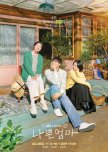
reseña
el elenco que eligieron para este kdrama es espectacular, cada persona reflejaba tan bien el sentir del personaje; puedes reír, llorar, enojarte, enamorarte, etc en cada capítulo.La historia en si es algo que se necesita mucha atención para entender el propósito de ambos personajes (madre e hijo), NO ES UN KDRAMA PARA VERLO CON EL CELULAR EN LA MANO, es uno que se necesita estar atento, que se necesita tratar de entender a los personajes el pq hacen eso, en ningún momento se le romantiza a la madre ya que el mismo título lo dice, ella es mala pero se sabe que sus intenciones nunca lo fueron
Cet avis était-il utile?
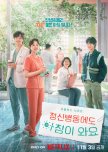
Daily Dose of Sunshine
0 personnes ont trouvé cette critique utile
reseña
es un kdrama que habla de cosas que son necesarias y mucho más en la sociedad de corea que la salud mental es algo tan tabú, la actuación es increíble aunque era algo que me esperaba (es mi actriz coreana favorita), honestamente creo que es una serie que si estás pasando por un mal momento es mejor dejarla para después y esto lo hablo desde mi experiencia al verlo, y si tienes a alguien que está pasando por momentos malos te recomiendo verlo. Es inevitable llorar con este kdrama así que cuando lo veas ten pañuelos cerca en caso de cualquier cosaCet avis était-il utile?
Greenest Shameless ML ??
I felt like I laughed at almost all episodes (shallow sense of humor), then cried at that one episode 🥴Male Lead:
First of all, I think this is the first time I watched a really sick ML who's not pretending to be one to hide his true strength. Most dramas with this kind of genre have either the overused strong-cunning-cold-but warm on the inside MLs. That's why I really liked He Yu's character here. The shamelessness🤣 the way he used his sick body to get away with things, the cringe-sweet words coming out from his mouth in almost every episode🤣 but at the same time like all MLs we know, he's cunning and will do anything to protect his lady. And the fact that he doesn't hide his feelings and emotions from others.
Female Lead:
MZY really does have a cold resting face😅 was actually surprised that I cried when I saw her cry on ep 32😅 anyways I don't have many to say about her character.
2nd Couple:
Won't lie, they were the reason I continued to watch the 1st arc. The first time BSL was introduced I was like is that a male? But the voice sound female🤔🤣 anyways I love this couple. Although I would have loved it more if they included those little bits of spoiler I read about the novel.
Plot:
Not that strong.
Anyways, they should really add the comedy in the tags🤣 cuz this has a solid humor in it. Laughed in this more than I did in HDY and that has comedy tag in it.
Cet avis était-il utile?
Home was always a person
This was so much more than a love story. At its core, it's about two people who grow up carrying unimaginable pain, yet somehow continue to find their way back to each other no matter how much life tries to pull them apart. I loved watching Chen Yi and Miao Jing's relationship evolve from childhood to adulthood because every stage of their journey felt earned. Their bond wasn't built on grand romantic gestures, but on years of trust, sacrifice, and being each other's safe place when everything else was falling apart. The nostalgic setting gave the drama so much warmth, making every happy memory feel even more precious knowing what was waiting for them. I also appreciated that the crime storyline never overshadowed the emotional heart of the series, but instead became another obstacle that shaped who these characters were. By the end, I realized I had become completely attached to them and found myself rooting for their happiness more than anything else. The only reason this isn't a perfect score is because there were a few moments where I wished the story had slowed down to let certain emotions breathe a little longer. Still, this is one of those dramas that quietly finds its way into your heart and stays there long after the credits roll.Cet avis était-il utile?
Some lessons are worth coming back for
Coming back to the Love Class universe always feels a little familiar, and Season 3 was no exception. What I enjoyed the most was how easy it was to watch. The romance was sweet, the chemistry between the couples kept me invested, and the episodes flowed by without ever feeling heavy. I especially appreciated that each relationship had its own dynamic instead of feeling like a copy of the others, which made it fun to switch between the different storylines. That said, I couldn't help wishing the season had slowed down a bit. Some emotional moments and character development felt rushed, and I would have loved to spend more time getting to know the characters before everything was resolved. Even so, it delivered exactly what I was looking for: a comforting, feel-good BL with enough romance and heart to leave me smiling by the end.Cet avis était-il utile?
The Prosecutor's Proposal
0 personnes ont trouvé cette critique utile
Ending was rushed but good/La fin était précipitée mais bien
English:I really liked this drama. I loved the plot of this show, the whole son of a killer and son of the victim aspect. I loved the acting; all of the actors in this show are extremely talented. I know that this show was more of a thriller/crime drama than a romance, but I honestly didn't mind that at all. I thought the plot was really interesting and I really enjoyed watching it. The one thing I didn't like was basically the entire last episode. The whole last episode felt extremely rushed, like they were trying to fit 2 episodes into one. I think that if there was just one more episode, they would be able to seamlessly pull the story together instead of rushing it together like they ended up doing. I was 15 minutes into the last episode and thinking, "Wait, there's only 15 minutes left. How are they going to wrap everything up? There must be another season planned…" Nope, there's not. They just pulled everything together and said: "Here, damn." Overall, though, I did really enjoy this show. I might rewatch it in the future.
Français:
J'ai vraiment aimé ce drama. J'ai adoré l'intrigue de cette série, tout l'aspect fils du tueur et fils de la victime. J'ai adoré le jeu d'acteur ; tous les acteurs de cette série sont extrêmement talentueux. Je sais que cette série était plus un thriller/drame policier qu'une romance, mais honnêtement, ça ne m'a pas du tout dérangé. J'ai trouvé l'intrigue vraiment intéressante et j'ai vraiment pris plaisir à la regarder. La seule chose que je n'ai pas aimée, c'est en gros tout le dernier épisode. Tout le dernier épisode semblait extrêmement précipité, comme s'ils essayaient de faire tenir 2 épisodes en un seul. Je pense que s'il y avait eu juste un épisode de plus, ils auraient pu relier l'histoire de manière plus fluide au lieu de tout précipiter comme ils l'ont fait. J'étais à 15 minutes du dernier épisode et je me disais : "Attends, il ne reste que 15 minutes. Comment vont-ils tout conclure ? Il doit y avoir une autre saison prévue…" Eh bien non, il n'y en a pas. Ils ont juste tout rassemblé et ont dit : "Voilà, voilà." Dans l'ensemble, cependant, j'ai vraiment apprécié cette série. Il se peut que je le revoie à l'avenir.
Cet avis était-il utile?
Cette critique peut contenir des spoilers
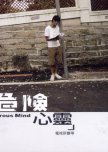
台灣教育這麼多年,有變嗎
故事肇因於主角謝政傑想取消報名詹老師的課後補習,成績掉了一些(也有七十九分耶),後來又因在課上翻池上遼一的《聖堂教父》被詹老師罰坐教室外,要求聯繫家長。小傑父母瀕臨婚姻危機,沒人和老師溝通,詹老師一氣之下讓小傑罰坐七天,等到小傑母親來校溝通時,詹老師一氣之下,訓斥小傑,看他的母親,造成師生推搡,而這也引發一連串的爭議,包括學校、家長和老師的包庇關係(為了升學主義),還有老師的權威促使其他人對小傑展開霸凌。
在校園生活低靡的時候,小傑漸漸和長腦瘤的抗議分子沈韋、販賣搖頭丸父親家暴母親的高偉琦、中輟在搖頭店撿別人酒喝的姊姊林淑琴(艾莉)走近,他們都很有義氣幫小傑,而他們也都在學校中獲得不到小傑可能得到或將得到的東西,沈韋缺的是抗爭的支援(小傑父母支持)、高缺的是前段班好學生的待遇、艾莉則沒能獲得正義,被老師污衊偷錢攆走,他們希望小傑能回到正軌,回到校園好好接受教育。
如此單純的初衷卻遇到極大的阻力,在很年輕的民主國家中,人們還是慣常用過於簡單的意念透過人脈、關係、利益排擠異己,即使在校園也是這樣運作。又或者避免事情鬧大,不斷說謊,犧牲少部份的人用來祭旗的官僚體制,都會聯想到軍營。另一方面,學校方又會為自己擦脂抹粉,包庇犯錯老師,或者在必要的時候把老師切割出去,以求自身安全。
事實上,若是詹老師沒有過度體罰,讓學務主任騙小傑的悔過書,用來記小傑大過等等的報復心態,事情根本不會越演越烈。然而侯文詠巧妙的地方就在這,透過小事情,越扯越大,從教室到學校,從學校師生到家長、公務人員之間的關係,從校園到周圍類似境遇的學生再到教育體制,一層一層,才能將事情複雜的面向表達出來。
比較可惜的是結尾,竟然將抗爭結束在莫名其妙的鎮壓活動,所有人的訴求只剩下明日殘留的球鞋和布條,教育部長聆聽訴求,但不打算改變。學務主任為了阻止女兒接觸到抗爭人群,報警驅散群眾。然後不知道小傑最後回學校了嗎?考基測考的怎麼樣?張心如有沒有趕到現場呢?沈韋有活到七年後詹老師和彭老師結婚孕子的時候嗎?艾莉後來做了怎麼樣的人生?高偉琦有回到班上認真讀書嗎?趙汝浩是不是始終覺得小傑在鬧事,偏離正軌?詹老師離開學校後做了什麼工作?
有人解釋是因這些問題是無解的,我不接受這種說法,在眾聲喧嘩後的巨大空白,反而讓人覺得抗爭意義不大,而且也忽略了小傑一眾人作為劇中重要人物的位置,把故事收尾在一種向教育體制的叩問固然是有意思,但這不是群像劇,還是以小傑為主角的故事,因此我不買單。
回到現在台灣的教育,能力分班固然取消,也沒有學校老師外面兼課補習、洩漏題目的狀況,也增加了所謂的多元入學。在多元入學的體制下,很多人提早分流,每個「賽道」的人數變少,利益並不衝突,反而讓大家的聲音被稀釋分散,因為沒有了共同的壓制體制,就沒有共同的敵人。
然而與此同時,美其名要幫學生減輕課業的多元入學體制,卻幫助重考班越開越多,越開越茂盛,補習費騰騰上漲,這又將如何解釋?
不過回到國民義務教育的源頭,義務教育本身就是為了打造共同體的工程,而這個工程體制的骨幹和意義,都是權力互動的過程,很多時候,我們還是只能被決定,因為大家在教育裡面尋找的需求不同,有的符合當下工程的意旨,有的則全然無干係。
BTW,整部劇我第一雷的是趙汝浩,第二才是詹老師,第三是學務主任,第四是生教主任。然後真的很喜歡數位攝影機DV拍攝,還有手搖鏡頭,以及小傑的OS。
Zen大的書評〈台灣史上最強的小孩-我讀侯文詠的《危險心靈》 〉還不錯
Cet avis était-il utile?


