

Esta resenha pode conter spoilers
BL innovativa tra crime e romance cupo, in difetto di tempo e con finale disastroso
L’originalità di questo drama coreano BL sta tutta nel tentativo di mescolare un thriller investigativo con un romance travagliato e oscuro, nella prima parte addirittura tossico. I due aspetti, intrecciati tra loro, costituiscono una premessa intrigante: due uomini legati da un omicidio avvenuto quindici anni prima si ritrovano a lavorare insieme come procuratore e investigatore, costretti a confrontarsi con segreti sepolti e verità scomode. La ciliegina sulla torta? Uno è il figlio della vittima e l’altro il figlio dell'assassino (presunto). Il primo è a conoscenza dell’identità dell’altro, il secondo no. Ed è su questo aspetto che il procuratore costruisce il suo singolare piano di vendetta. Una dinamica - almeno sulla carta - indubbiamente avvincente.La vicenda si distingue fin da subito per il suo tono maturo e cupo, lontano dalle atmosfere leggere che spesso caratterizzano il genere ma in linea con l’ambientazione nella quale si svolge. Una coerenza di scelta sottolineata dalla fotografia suggestiva e dalla palette cromatica prevalentemente desaturata. Completano il tutto una colonna sonora avvolgente, capace di amplificare i momenti di tensione e un ritmo iniziale sostenuto.
A fare la differenza è però il cast: Kim Yoon Sik - nei panni del procuratore Ju Tae Seon - offre una performance magnetica e disturbante, passando dalla freddezza calcolatrice a scoppi di rabbia incontrollata con una naturalezza inquietante. Park Si Woo- nel ruolo dell'investigatore Lee Chae Ha - costruisce un personaggio più silenzioso ma altrettanto complesso, portando in scena un sopravvissuto che si piega ma non si spezza. Eccede forse nella passività, che rende poco credibile l’immagine di lui come ex poliziotto. La chimica tra i due protagonisti è notevole, soprattutto nelle interazioni cariche di una tensione che sembra oscillare continuamente tra desiderio e odio, costantemente in bilico tra la sete di vendetta e un’attrazione sempre più difficile da negare. Le scene intime, tutt’altro che romantiche, sono rappresentazioni crude ma mai volgari di quello che però non si può non definire un rapporto tossico, incentrato sulla brama di possesso, rabbia e il desiderio di controllo. E’ il ritratto di un rapporto complesso e senza edulcorazioni, per quanto malsano, dove l’intimità non è intesa come espressione di romanticismo ma come un vero e proprio campo di battaglia emotivo.
E arriviamo alle note dolenti, che sono sostanzialmente due, ma di dimensioni cosmiche: La durata e lo scempio degli ultimi due episodi.
Il tempo è troppo poco, inutile girarci intorno. Dieci episodi da meno di mezz’ora l’uno non possono proprio essere sufficienti a sviluppare per bene l’idea originale alla base del drama. Si è cercato di smarcarsi dalle BL coreane da manuale, ma era il caso anche di uscire dalle solite durate eccessivamente ridotte, altrimenti l’insieme non può funzionare. Se nella prima parte l’unico passaggio un po’ troppo precipitoso è l’innesco della relazione fisica tra due, sul finale ci si trova a premere forzatamente l’acceleratore, senza lasciare margine di sviluppo né al thriller né al romance. Ne consegue un vero e proprio disastro narrativo, che demolisce in modo affrettato e confusionario ciò che era stato costruito con cura per otto episodi. La rivelazione dell’identità di Tae Seon porta a un cambiamento del suo personaggio tanto repentino quanto imbarazzante: le carte sono state scoperte, ma non per questo deve diventare irriconoscibile, trasformandosi in un salice piangente tutto confessioni, scuse e stucchevolezze. Anni di risentimento sembrano dissolversi in poche scene, una transizione dall’odio all’amore praticamente fulminea. C’è davvero da impegnarsi non poco per massacrare così il personaggio più intrigante della serie. A tutto ciò si aggiunge un ricorso alla CGI sul finale che è semplicemente imbarazzante e che culmina con la scena finale sulla spiaggia – fuori luogo ed esageratamente finta -stravolgendo in modo davvero ignobile l’intera ambientazione. Se il romance chiude in modo assurdo, il thriller non chiude affatto, nel senso che tante domande non trovano vere e proprie risposte (cosa succede al vero colpevole? E al padre di Chae Ha?). La mancanza di tempo rende di fatto impossibile anche il lavoro sui – già pochi – personaggi secondari, che a livello di introspezione restano proprio fermi ai blocchi di partenza.
In conclusione: una bella premessa, la promessa di qualcosa di nuovo, un mezzo risultato e un epilogo da dimenticare. I primi due terzi della serie volano alto, il finale è davvero deludente. Con questa consapevolezza, la visione può comunque starci. Diciamo che la chimica tra i due protagonisti, l'interpretazione di Kim Yoon Sik e l’approccio innovativo per il genere valgono il prezzo del biglietto, ma l'opera nel suo insieme è anche un’occasione sprecata, tanto rovinata nell’ultima parte da lasciare l’amaro in bocca.
Esta resenha foi útil para você?

Gender swap ML and FL
It's not new for me to watch the female protagonist in time-traveling plot, but it is very new and very interesting that the male protagonist is the one who pretended to be someone else. I like it. It's gender swapping, compared to other shows I used to watch. Those shows, consist of the female protagonists who pretended to be someone to achieve her goal, and with which, these female characters had to lie a lot for whole story. I do not like the idea that the authors try to link women with lying. It's different from women in real world. And media should not reinforce this link to their audiences. Women should not be viewed as the liar. This is the reason that I like this show. The male protagonist took the role instead of the female one.Esta resenha foi útil para você?

Porque Esta é a Minha Primeira Vida
0 pessoas acharam esta resenha útil
La importancia de ser honesto con uno mismo
Tres historias y tres formas distintas de entender las relaciones de pareja. Cada vez me doy más cuenta de que, en muchos k-dramas, aunque la premisa pueda parecer infantil o incluso un poco absurda al principio, terminan enganchándote por la profundidad de las reflexiones que esconden.En este caso, me quedo especialmente con la química de los actores protagonistas y con la idea de "ser honesto con uno mismo", un mensaje que atraviesa toda la serie y que invita a reflexionar sobre el amor, las expectativas y la forma en que vivimos nuestra propia vida.
Es una serie que me fue conquistando poco a poco y que disfruté cada vez más a medida que avanzaban los capítulos.
Esta resenha foi útil para você?
The Prosecutor is intense
They successfully delivered both justice through its storyline and intimacy through its romance. With its mystery-crime BL concept, the drama carries a heavy and intense atmosphere, and the performances of the main characters elevated that feeling even more.Ju Tae Seon started as a bully, but as the story progressed, he revealed himself to be a genuinely caring partner. Kim Yoon Sik completely captivated me with this role because it’s the complete opposite of his personality in real life.
On the other hand, Lee Chae Ha was unfortunately the victim of constant bullying from his peers. As an adult, I honestly don’t understand why people continue to bully others as if they never grew out of a childish mindset. Workplace bullying is especially frustrating to watch.
What made the story even more interesting was how the couple’s lives were connected through their fathers. One was killed, and the other became the prime suspect. It was such a messy situation, but it also became one of the strongest and most compelling parts of the drama.
The sexual tension between them was incredible, and they really took the intimate scene to another level. Especially the bathroom scene that completely shocked and gagged me.
I have to admit that crime and mystery stories aren’t really my cup of tea, so I wasn’t always fully focused on every case. Still, I had already guessed that the cute and bubbly Song Ha Neul would end up being the villain. He’s still handsome and adorable in real life, though, so he still wins in my book. I liked how the ending tied all of the crimes together and finally brought everything to a satisfying conclusion. The only aspect I wasn’t a fan of was the use of AI.
Overall, the chemistry was definitely giving, and the dynamic between the sassy prosecutor and his obedient inspector made them incredibly fun to watch. Combined with mystery and emotional backstory, made this a memorable BL drama despite a few elements that weren’t entirely my taste.
Esta resenha foi útil para você?

Interesting only at the Beginning
I think it is very new when I started watching the early episode. However, in the middle and late episodes, the plot is very boring, and similar to other shows. It is like soap opera where female characters disliked one another and tried to pull other women down. It's not enjoyable for me at all. It's a kind of Mary Sue thing.Esta resenha foi útil para você?
Chemistry Above the Clouds
Count me among the people who genuinely enjoyed this drama. I completely understand the hype surrounding this drama and can honestly see why so many people love it. From the very beginning, Lu Yu Xiao steals the spotlight with a character that's effortlessly charming, playful, and flirtatious (arguably one of the roles that suits her best). Her bright, mischievous personality makes the character incredibly lovable and impossible not to root for.As someone who rarely enjoys xianxia, I was surprised by how much I loved this drama. The romance takes center stage, making the fantasy elements easy to follow. If you're here for romance, you won't be disappointed. Hao Ming Hao and Lu Yu Xiao share sizzling chemistry that elevates the classic fake marriage-to-lovers trope, making every flirtatious exchange and emotional moment a joy to watch. What I enjoyed most wasn't just the romance, but the dynamic between the two leads. Their banter is witty, their chemistry is sizzling, and watching their relationship gradually evolve made every episode engaging. I also loved Ming Xian's adorable bond with her pet, along with the constant tension created by her hidden identities. Since the main leads are originally equally powerful, their enemies-to-lovers dynamic feels refreshing, with neither one constantly needing to be saved by the other.
The overarching plot—centered around the competition for the title of champion and the pursuit of the Golden Millet Dream—is admittedly simple and occasionally borders on being childish. But somehow, none of that really matters when the romance is this entertaining. You don't have to be a xianxia fan to enjoy Love in the Clouds. If you're looking for a romance with lovable leads and fantastic chemistry, this drama is an easy recommendation.
Esta resenha foi útil para você?
Excellent plot
This is the early show I know about Girl Love genre. I like the plot a lot. And I began to explore more shows with the same genre. However, other shows do not have much content like this one. That's the reason that I decide to write a review. I wish other GL shows would have much more contents and more plot other than just the love between two.Esta resenha foi útil para você?
Esta resenha pode conter spoilers
LINDA HISTÓRIA
Decidi assistir a esse C-drama pelo trailer e pela atriz principal e não me arrependi.Vale destacar que a história é lenta e bem construída. Nos primeiros episódios conta a história da protagonista feminina (Nie Xi Guang) e seus amigos de escola/faculdade, dando enfoque na sua relação, não correspondida, com Zhuang Xu. Os demais episódios trata da vida de Nie Xi Guang já no trabalho e sua relação com Lin Yu Sen.
Achei a personagem do Zhuang Xu frio e distante. Na minha opinião ele perdeu um mulher incrível por vacilo. Depois que ele notou que tinha cometido um erro, tentou correr atrás da Xi Guang. Neste ponto, teve um das cenas mais fortes da série, quando ela deixa claro para ele que não tem como eles terem algum tipo de relacionamento. Ela deu um basta na esperança dele. Na minha opinião, foi uma decisão acertada, nada daquele velho clichê de triângulo amoroso interminável. Gostei muito da atitude dela, muito madura e sensata.
Quanto a relação da Xi Guang com Lin Yu Sen, apesar do mal-entendido inicial entre eles, a relação foi construída ao poucos e ao longo do tempo de forma segura e consistente. Não se vê, em momento algum, aquelas piadinhas de mal gosto que os autores gostam de fazer, desmerecendo um ou outro no relacionamento. Notei um relacionamento saudável, cheio de carinho e momentos românticos que valem a pena assistir.
Você pode ver o crescimento da personagem Xi Guang e sua atitude sempre sincera em relação aos seus sentimentos. Foi gratificante assistir como ela se apaixonou pelo Lin Yu Sen e como um trata o outro. A relação deles exala paixão e, acima de tudo, respeito. Faz tempo que não assisto uma série assim, memorável.
Outro ponto que gostei neste C-drama foi a ausência do rompimento do casal principal (clichê quase obrigatório e adorado pelos escritores). Se o relacionamento é maduro e saudável, não há espaço para esse tipo de clichê.
Para os admiradores de um romance doce e agradável, este drama é uma boa pedida.
Com certeza tem grande potencial para assistir novamente.
Esta resenha foi útil para você?
Me Apaixonar Por Você Foi a Melhor Coisa Que Já Fiz
0 pessoas acharam esta resenha útil
Una serie vacía, sobrevalorada y sostenida casi por completo por la cara de Zhang Linghe
Valoración: 4/10He intentado ver The Best Thing dos veces. La primera la abandoné porque me aburría. La segunda he conseguido llegar hasta el episodio 11 y puedo afirmar, ya sin ninguna duda, que no era falta de paciencia: la serie es tediosa, inerte y narrativamente hueca.
Se vende como un romance tranquilo y de combustión lenta, pero no es ninguna de las dos cosas. La tranquilidad no consiste en eliminar la personalidad, el conflicto, la tensión y el ritmo; y un slow burn exige que exista algo ardiendo, aunque sea bajo la superficie. Aquí no arde nada. Ni deseo, ni curiosidad, ni fricción, ni intimidad emocional. Solo hay dos personas atractivas coincidiendo una y otra vez mientras la fotografía, la música y las miradas alargadas intentan fabricar una emoción que el guion no ha sabido construir.
La narración parece una receta de cocina interminable: ahora ella se levanta, ahora va al trabajo, ahora visita la clínica, ahora se encuentra con él, ahora comen algo, ahora alguien comenta lo guapos que son. Las escenas no generan consecuencias, no cambian la relación y no revelan nada importante sobre los personajes. Se puede ver la serie mientras se hacen otras veinte cosas porque no exige atención alguna. No hay nada que comprender, anticipar ni recordar.
La protagonista es desesperante. Comprendo que esté deprimida, que padezca insomnio y que venga de una relación tóxica, pero el guion utiliza todo eso como excusa para convertirla en una mujer sin energía, iniciativa, carácter ni vida interior. No parece una persona tranquila, sino un cuerpo que se desplaza lentamente de una escena a otra. Apenas reacciona, tarda una eternidad en comprender lo evidente y carece de la menor fuerza dramática. La depresión no borra necesariamente la inteligencia, la rabia, el humor o la voluntad, pero esta serie parece creer que una mujer vulnerable debe comportarse como si estuviera sedada.
El supuesto protagonista masculino perfecto me resulta todavía más cuestionable. Ella es su paciente, se encuentra en un momento emocionalmente frágil y él dispone de información íntima obtenida dentro de una relación médica. Aun así, empieza a tantearla desde el principio, utiliza la medicina como vía para acercarse y se introduce progresivamente en su vida mientras continúa tratándola. La serie pretende venderlo como una green flag porque es guapo, habla con suavidad, cuida a los mayores y prepara remedios, pero la amabilidad no elimina el abuso de una posición privilegiada ni convierte en limpio un cortejo que nace dentro de una relación profesional desigual.
La supuesta amistad entre ambos tampoco es una amistad auténtica. Él ya está interesado sentimentalmente y emplea esa cercanía para ganar espacio mientras ella ni siquiera comprende sus intenciones. El amor no nace de una relación desinteresada que evoluciona: él inicia el vínculo con una finalidad romántica desde el comienzo y aprovecha todas las oportunidades que le proporciona ser su médico, vecino y confidente. Que después ella termine correspondiéndole no borra el modo en que se ha construido la relación.
Tampoco existe una razón convincente para que él se enamore de ella. Le parece bonita. Eso es todo. La serie repite constantemente que ella es preciosa y que él es tan atractivo que medio vecindario quiere presentarle a alguna pariente, como si la belleza de los actores pudiera sustituir la escritura del guion. No hay descubrimiento mutuo, admiración fundada, complicidad, desafío ni transformación. El guion no desarrolla el vínculo: se limita a declarar que existe y espera que el espectador lo crea porque Zhang Linghe mira intensamente a cámara.
El personaje de él también está construido con piezas prefabricadas: médico ejemplar, especialista entregado, madre muerta de cáncer, padre ausente, abuelo cariñoso, carácter sereno y rostro extraordinario. Todo está diseñado para fabricar al novio ideal sin concederle contradicciones reales ni obligarlo a examinar su conducta. Su pasado no añade profundidad; simplemente completa una ficha de personaje pensada para despertar admiración automática.
La serie es bonita, sí. Está bien iluminada, los protagonistas son atractivos y la medicina tradicional china proporciona una estética agradable. Pero una serie no es buena porque parezca un anuncio caro de té y flores con hombres perfectos. La belleza visual no compensa veintiocho episodios sin pulso, una protagonista sin sangre, un romance sin evolución y un conflicto ético que el guion ni siquiera es capaz de reconocer.
Entiendo que las admiradoras de Zhang Linghe disfruten contemplándolo durante horas. Lo que no entiendo es que eso se confunda con calidad narrativa. Si otro actor menos atractivo interpretara exactamente este mismo guion, probablemente nadie estaría hablando de una historia profunda, madura o reconfortante. Estaríamos hablando de lo que realmente es: una sucesión de escenas vacías embellecidas por una producción cuidada.
Le doy un 4 porque no está mal rodada y porque los actores hacen lo que pueden con un material muerto. No le doy un 1 porque existe cierto nivel técnico y visual. Pero como romance, como drama y como historia de personajes, me ha parecido un fracaso absoluto. No es delicada, no es profunda y no es lenta: es simplemente aburrida.
Esta resenha foi útil para você?
Esta resenha pode conter spoilers
A MASTERPIECE! LOVE MR. VACUUM CLEANER AND HIS BABE
Yet another masterpiece that i am happy i decided to watch after planning on skipping it. When I saw the intro song using AI I was like well... having 2nd thoughts but then I like how the whole drama wasn't AI but it was used just like a tool for backgrounds and special effects only for specific scenes.The story was just amazing. I like how they balanced both the cases and the romance while keeping the cases interesting and the romance intense.
The cast was just perfect🤭 makes me wish they were an official cp cz i wanna see more of them. But then it's fine cz they're humans n in korea so yeah. I think they were pretty in par with CBLs and JBLs when it comes to story, toxicity n stuff and on par with Thai BLs when it comes to NCs which was unexpected from korea.
Overall watch it please DO WATCH IT!!!
Esta resenha foi útil para você?
Great story towards the end.
When I started to watch this drama I didn't enjoy quiet a few of the first episodes, due to it being very solemn. Then I didnt like Miao Jing playing around with men feelings but I must say it did get more interesting towards the end and I started to enjoy this drama more. Great acting from Song Weilong and Zhang Jing Yi and the rest of the cast.Esta resenha foi útil para você?
Esta resenha pode conter spoilers
Let's Stop by Lishan Mountain for a While
The way trauma and chronic illnesses are used here is great - even if I am sure health care professionals could point out flaws. Mo Li remains an idol drama but pushes at the boundaries of what these dramas can be in a heartfelt way. I'd recommend this to anyone who enjoyed The Double and/or Pursuit of Jade.The Couples
I'm not overly invested in romances, except when a couple really gives that wow effect. That was missing a bit for me here, but I incredibly enjoyed that the leads had the same goal while going at it in incredibly different ways. They slowly come to understand each other, and they are allowed to make mistakes along the way that are so deeply personal it is gut wrenching.
I thought it was neat that the drama pointed out how much the FL pushed the ML into fixing his legs against his will. That felt very real and is a neat way to show how much the FL wants things to go her way. She is compelled to make the world fit into her expectations in more than one way.
On the ML’s side the “divorce arc” falls under that character growth. This "arc" as people have been labeling it, is barely an arc. It lasts maybe two episodes. I really love how it keeps the leads entangled in the social norms of their time. Everyone else is suffering under archaic social rules and so do they. Treating the lead differently is something that became quite off-putting to me in early-2026 Bai Lu Drama "Unwind: Jadewind".
Just as ML's leg, just as Ye Li’s delusions, the couple had to be broken before they could be mended. The two are, after all, deeply hurt characters. It's not only one lead carrying out their eight years of revenge in the making. A lot of characters share resentments.
Their first kisses were so awkward and not in the cute way, lol. Their romance began to hit for me in the late episodes, when they grow comfortable with each other. That said, I am a fan of the multiple tragic love stories overall. As the OST says: love isn't only romance.
Family Dynamics
Li has the best uncle. Her mother is great. Her half-brother too. It's nice to see that not the whole Ye family sucks. I also loved the relationships with her maids (dead or alive) and her senior/secret guard.
The family dynamics are refreshing overall. Her sister is mean to her and there is another half-brothers pair in the drama who doesn't get along, but they stay within a selfishness and jealousy that feels very normal. They feel the need to get one over their sibling and only know violence as a tool, but that does not mean they truly want them dead. It's an interesting conflict.
The Last Episodes
I didn't have as much of a knee-jerk reaction to the ending as others, but I kind of felt the East Palace story wasn't well paced. Our leads have known Jingli escaped for months and Ye Li is so sure from the start that he won't sit quiet and yet they do nothing about it. I just don't think this drama needed a war story. There doesn't seem to have been budget left for it anyway. Jingli trying to storm the palace with a small army from the start seems like it would have been a good way to complete his arc.
Here, it almost felt as if 2026 costume dramas have been mandated to end with war (Pursuit of Jade, A Splendid Match, How Dare You, Love Beyond the Grave,...).
Nevertheless, I actually thought the last episode was incredibly beautiful. It wraps the stories up in a very heartfelt way. The same way Ye Li has to let go of her Lishan mountain past, the viewer must say goodbye to this story.
OST
Normally I don't notice the soundtrack that much or only one stand-out song, but here the music truly underlined the mystery and tragedy. I love the haunting melodies of the drama.
Esta resenha foi útil para você?
Esta resenha pode conter spoilers
Eros + Thanatos = taxidermy
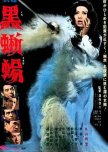
The enigmatic and alluring Black Lizard, a highly wanted criminal and thief who collects jewels, orders the kidnapping of Sanaye, the daughter of the jeweler who owns the precious diamond called “Star of Egypt”; Private investigator Kogorō Akechi sets out on her trail, engaging in a thrilling duel full of twists and turns with the cunning and brilliant collector, who, in addition to her passion for jewelry, also reveals an unusual penchant for human taxidermy…In 1968, in addition to directing avant-garde films for Toei, director Kinji Fukasaku accepted an offer from Shochiku to adapt—with great success—one of Edogawa Ranpo’s most famous novels, “Black Lizard”. The film was, however, based on the theatrical adaptation staged by Yukio Mishima. Isao Kimura was cast in the lead role as Detective Akechi, while the famous drag queen Akihiro Maruyama (Akihiro Miwa) was chosen to play the female lead.
Nearly 60 years after its release, “Black Lizard” continues to be regarded as a film that defies categorization, one that eludes any single definition. At first glance, it might be dismissed as an elegant crime thriller set against a “cops and robbers” backdrop, but it immediately becomes clear that the film is, in reality, a decidedly elusive cinematic work: decadent melodrama, psychological noir, pop spectacle, filmed theater, and a spy story coexist in a balance as improbable as it is fascinating.
It is likely that its hybrid nature is the reason it has been difficult to place this film within Fukasaku’s filmography; he is best remembered for his revolutionary yakuza eiga films of the 1970s, which are often cited by Hollywood masters of genre cinema—Martin Scorsese above all.
And yet, rather than a mere, perhaps impromptu episode, “Black Lizard” now stands as a cult classic capable of engaging with an international cultural landscape in the midst of transformation: within it, we can find the spectacular elegance of James Bond films, the colourful explosion of Pop Art, camp aesthetics, Japanese theatre, a certain colour palette typical of European cinema, literary decadence and even hints of classic Gothic horror; everything seems to merge into a visual universe where every costume, every set and every gesture combine to transform the narrative into an experience that is, above all, aesthetic.
Fukasaku’s – successful – challenge lies in going beyond the police investigation, instead staging a sort of war of aesthetics, in which every character, every setting and every object seems to be asking the same question: namely, whether beauty can survive the passage of time by transforming itself into an image, a simulacrum or a work of art.
At the heart of this aesthetic universe is, inevitably, its leading lady. Rather than simply portraying Black Lizard, Akihiro Miwa transforms her into a true pop icon ahead of her time, making her own body the film’s primary narrative tool. Each new appearance coincides with a metamorphosis: wigs, flamboyant outfits, jewellery, hairstyles and theatrical poses do not merely serve a decorative purpose, but continually redefine the character’s identity.
She does not merely wear the costumes; rather, she seems almost to inhabit them, transforming every entrance onto the stage into a performance in its own right. In this sense, Miwa’s acting transcends the very concept of performance, merging with the profoundly artificial nature of the film, where the boundary between human being, work of art and spectacle becomes increasingly blurred.
It is indeed this centrality of the image that makes “Black Lizard” much more than a sophisticated crime thriller. The protagonist’s obsession with jewellery and absolute beauty does not merely conform to the conventions of the crime story, but introduces a theme that runs through the entire work: the desire to shield what is perfect from the passage of time. In this universe dominated by artifice, every body, every object and every set seem to aspire to a form of eternity, transforming the film into a surprisingly complex reflection on the relationship between aesthetics, possession and death.
The more one looks at it, the less “Black Lizard” appears to be a mere 1968 pop thriller. Fukasaku crafts a work that traverses the detective novel, decadent melodrama, theatre, Gothic horror, camp aesthetics and pop art, without definitively belonging to any of these genres. Through the magnetic figure of Akihiro Miwa, the film draws on the legacy of Poe, reinvents it through Ranpo, elevates it with Mishima, and imbues it with the morbid elegance of Wilde and Beardsley. The result is a work in which beauty is not to be regarded as a prize to be won, but rather as a curse to be preserved.
For the Black Lizard, love does not consist in possessing a living human being, but rather in snatching them from the grip of time, transforming them into an eternal simulacrum. It is in this tension between eros and death, between desire and artifice, that the film finds its core identity, its deepest essence, establishing itself not only as one of the most eccentric cult classics of 1960s Japanese cinema, but also as one of its most surprising points of convergence with the great Western decadent imagination.
Thanks to this inspired insight, the film definitively transcends the boundaries of a mere adaptation of Edogawa Ranpo’s work. A dense web of cultural references spanning East and West takes shape around the obsession with the Black Lizard. The Japanese writer’s ero-guro imagery engages in a dialogue with the decadence of Oscar Wilde (thanks to the trait d’union provided by Mishima), with the sinuous elegance of Aubrey Beardsley’s revealing illustrations, and with the long shadow of Edgar Allan Poe, an author to whom Ranpo himself paid homage through his very pseudonym.
Even certain echoes of classical Gothic cinema – from Michael Curtiz’s “Mystery of the Wax Museum” to Edgar G. Ulmer’s “The Black Cat” – seem to resurface in the Black Lizard’s lair, where beauty is wrested from life to be transformed into an object of contemplation. More than just a crime thriller, “Black Lizard” thus becomes a surprising crossroads of different artistic traditions, capable of blending Western decadent melodrama with Japanese psychological noir into a work of extraordinary iconographic richness.
Seen in this light, the Black Lizard transcends the role of a mere thief or collector, or that of the classic femme fatale, to take on the almost priestess-like role of an aesthetic guardian. Every gem she steals, every body she preserves, every work of art gathered in her home is driven by the same obsession: to halt the passage of time, to rescue beauty from its inevitable decay and transform it into an eternal image. Her collection is not made up of objects, but of crystallised moments, of lives suspended at the moment of their absolute perfection.
It is only in his encounter with Detective Kogorō Akechi that this value system reveals its fragility. What unfolds between the two is not merely a detective duel, but a subtle game of seduction, intelligence and mutual recognition, in which the boundary between hunter and prey gradually dissolves. Akechi represents the only form of beauty that the Black Lizard cannot transform into an object of contemplation, because he continues to elude her through his indomitable vitality. For this reason, the protagonist’s final act does not feel like a surrender, but rather an extreme affirmation of her own worldview: in a universe where love is synonymous with the absolute possession of the desired object, to survive would mean accepting the failure of her own obsession.
If “Black Lizard” continues to exert a unique fascination even today, it is largely because it defies any definitive classification. Its most enduring strength seems to lie just in its ability to transform popular cinema into a spectacle of the image, where literature and theatre, East and West, eros and death come together in a celebration of beauty that is as refined as it is unsettling.
It is no coincidence that the film’s journey gradually leads the viewer away from everyday reality: from the bright lights and streets of Japan’s major cities to the confined spaces of the train, from the sea to the isolated refuge of the Black Lizard, a dwelling suspended outside of time where the protagonist keeps her collection of bodies and dreams. The geographical journey thus becomes an inner journey, a gradual entry into the mental universe of a woman who refuses to accept the transience of existence.
Fukasaku seems to suggest that beauty, the very moment it attempts to become eternal, inevitably risks ceasing to belong to life. In the Black Lizard’s lair, time seems to have stood still: everything that is perfect is preserved, but nothing truly continues to live. This is the ultimate price of the illusion of eternity, the paradox of an aesthetic which, in its attempt to defeat death, ends up embracing it.
8 ½
--------------------------
Dedicated to Akihiro (Miwa) Maruyama: 15 May 1935 – 20 June 2026
Esta resenha foi útil para você?
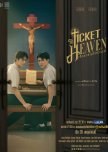
Un punto para la serie y cuatro para Fourth
Valoración final, a pesar de todo: 5/10
Ticket to Heaven tenía todos los elementos necesarios para convertirse en una serie extraordinaria: una ambientación poco habitual, dos adolescentes atrapados entre el deseo, la fe, el miedo y la culpa, una institución religiosa capaz de ofrecer consuelo y, al mismo tiempo, convertirse en una cárcel, y un protagonista que cree que su obediencia le permitirá reunirse algún día con los padres que perdió. El material era potentísimo. El resultado, sin embargo, es una producción preciosista, solemne y emocionalmente manipuladora que confunde la gravedad del tema con la calidad de la escritura.
No basta con hablar de homosexualidad, religión, duelo y represión para haber contado algo profundo. Hay que desarrollar los conflictos, permitir que los personajes se contradigan, mostrar cómo sus creencias afectan a cada decisión y construir una evolución emocional que no dependa únicamente de silencios, lágrimas, símbolos religiosos y música cuidadosamente colocada. Ticket to Heaven se comporta como si la mera presencia de una cruz, una oración y un muchacho llorando garantizara trascendencia. No la garantiza. En demasiados momentos, la serie no profundiza: posa.
Tanrak debería ser un personaje desgarrado entre dos pilares de su identidad. No se limita a creer en Dios; su fe está unida a la esperanza de reencontrarse con sus padres muertos, de modo que aceptar su deseo debería amenazar no solo su concepción del pecado, sino también el último vínculo que conserva con ellos. Ese conflicto podría haber sostenido una historia devastadora. Sin embargo, su crisis interior aparece y desaparece según las necesidades de cada escena. La serie nos asegura que está sufriendo, Fourth llora de manera extraordinaria y la dirección subraya cada emoción hasta el agotamiento, pero el guion rara vez permite comprender cómo cambia realmente su pensamiento. Las grandes preguntas reciben respuestas demasiado simples, las conversaciones decisivas parecen resolver en minutos contradicciones construidas durante toda una vida y el conflicto religioso termina reducido a mensajes reconfortantes que suenan bien, pero que no soportan demasiado análisis.
Barth tampoco consigue convertirse en una persona completa. Tiene una familia rota, una actitud rebelde, cierta vulnerabilidad y una función narrativa muy clara: entrar en la vida de Tanrak para obligarlo a descubrir quién es. Pero más allá de ese cometido, su personalidad resulta sorprendentemente escasa. Sabemos qué representa, qué heridas debe tener y qué emociones necesita provocar, pero no llegamos a conocerlo con verdadera profundidad. Él y Tanrak poseen pasado, trauma y deseo, pero muy pocas veces parecen tener una vida interior que exista fuera del argumento.
La relación amorosa está igualmente mal construida. La serie quiere que creamos en una conexión intensa y transformadora, pero sustituye buena parte de su desarrollo por miradas, pausas, proximidad física y montajes. Los actores tienen química, pero la química no puede hacer todo el trabajo que el guion ha decidido ahorrarse. Faltan conversaciones capaces de revelar quiénes son, momentos en los que la percepción que tienen el uno del otro cambie de verdad y una progresión clara desde la curiosidad hasta la necesidad emocional. La serie salta de la atracción a una relación supuestamente trascendental y confía en que la fotografía y las interpretaciones rellenen los huecos.
El mayor problema es que Ticket to Heaven tiene tanto miedo de señalar responsabilidades que termina desactivando su propio conflicto. Quiere hablar del daño producido por determinadas enseñanzas religiosas, pero no quiere que la religión parezca culpable. Quiere mostrar el miedo, la vergüenza y la represión, pero procura que casi nadie resulte verdaderamente responsable de haberlos provocado. Quiere cuestionar una estructura, pero se apresura a introducir figuras comprensivas que expliquen que Dios es amor y que todo puede reconciliarse. El mensaje es amable y seguramente consolador para muchas personas, pero dramáticamente resulta cobarde. Una institución puede contener individuos bondadosos y seguir causando un daño profundo. La serie parece incapaz de sostener ambas ideas sin suavizar la segunda hasta volverla casi inofensiva.
Tampoco me convence que cada emoción tenga que llegar acompañada por todos los recursos disponibles. La iluminación, la música, los silencios, el simbolismo, las lágrimas y los primeros planos están siempre preparados para indicarnos exactamente cuándo debemos conmovernos. La dirección no confía en la escena ni en el espectador; necesita remarcar continuamente que estamos presenciando algo importante. El resultado no es emoción, sino insistencia. Cuando todo pretende ser poético, trascendental y desgarrador, nada termina siéndolo.
Y después está la sobrevaloración. Parece que cuestionar una serie de Aof protagonizada por Gemini y Fourth equivale a no haber comprendido su sensibilidad o su mensaje. Lo he comprendido perfectamente. El problema es que un mensaje necesario no convierte automáticamente una obra en buena, una intención respetable no sustituye el desarrollo de personajes y una interpretación excelente no puede ocultar indefinidamente un guion superficial.
Fourth es la razón por la que esta serie recibe un 5 y no un 1. Su interpretación aporta una complejidad que no siempre existe en la escritura. Consigue que el dolor de Tanrak parezca real incluso cuando el guion lo simplifica, expresa vergüenza, deseo, miedo y pérdida con una precisión extraordinaria y sostiene escenas que, interpretadas por alguien menos capaz, revelarían toda su pobreza. No es la serie la que me ha conmovido: ha sido Fourth luchando por encontrar humanidad dentro de un personaje escrito a brochazos. Gemini cumple y la química entre ambos funciona, pero Fourth está claramente haciendo el trabajo emocional de la producción entera.
La factura técnica es buena, la ambientación está cuidada y la serie parte de una idea valiosa. Nada de eso compensa unos personajes insuficientemente desarrollados, un romance que pretende ser más profundo de lo que ha construido, un conflicto religioso domesticado para no incomodar demasiado y una dirección tan empeñada en fabricar prestigio que termina asfixiando cualquier espontaneidad.
Mi valoración real sería un 1. Le doy un 5 porque Fourth merece esos cuatro puntos adicionales. Sin él, Ticket to Heaven no sería una obra delicada ni trascendental, sino lo que queda cuando se retiran la música, la fotografía y las lágrimas: una historia con muchísimo que decir y muy poco valor para decirlo de verdad.
Esta resenha foi útil para você?
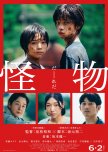
The Monster We Create
I went into Monster completely blind. I did not read the synopsis, watch the trailer, or know what to expect. Looking back, I genuinely believe that was the best way to experience it. If you are planning to watch this film, I highly recommend doing the same. The less you know, the more it has to give.Set in a quiet lakeside town, what begins as an ordinary schoolyard incident sends ripples through the lives of everyone involved, like a stone thrown into still water. A devoted mother, a conscientious teacher, and a young boy each offer their own version of the same events, turning certainty into a moving target and allowing the truth to slip through the cracks of perception. Just when you think you understand what happened, the story gently asks you to look again. As public scrutiny grows and the media adds fuel to the fire, a simple misunderstanding evolves into something much larger. Then, on a stormy morning, two children disappear, leaving behind one haunting question: who, if anyone, was the real monster?
Monster adopts a Rashomon-style narrative, telling the same events through three different perspectives. It constantly challenges your assumptions, forcing you to question not only what is happening, but also why you are so quick to believe one version over another. It explores themes of perception, prejudice, identity, and the quiet pressure of societal expectations. It is remarkable how easily our opinions shift depending on who is telling the story. Every new perspective changes the picture, reminding us that truth is often less about what we see and more about what we fail to notice.
Some stories ask you to watch. This one asks you to look again.
That, to me, is Monster's greatest strength. Its brilliance does not come from shocking twists or dramatic reveals, but from understanding. The storytelling is quietly devastating, meticulously layered, and deeply humane. Every revelation feels earned instead of manufactured. Every emotional beat lands with purpose. It is one of the finest examples of storytelling I have seen in a long time, proving that the loudest stories are not always the most powerful. Sometimes the quietest ones leave the deepest scars.
One recurring phrase throughout the film is "pig's brain." Without going into specific details, it becomes one of the film's most heartbreaking ideas. It is used as a cruel label for behavior that society considers abnormal or "sick," planting seeds of shame in children who simply do not fit neatly into expected norms. What begins as a careless insult slowly transforms into something much more damaging as it is internalized by those around it. The phrase becomes a symbol of societal rejection, abusive labeling, and the painful belief that being different somehow makes someone broken or even monstrous. It is a chilling reminder that children often inherit the fears and prejudices of the adults around them.
The performances deserve just as much praise as the writing, especially from Kurokawa Soya and Hiiragi Hinata as Mugino Minato and Hoshikawa Yori. Both young actors deliver performances that feel incredibly natural, raw, and emotionally convincing. They perfectly capture the confusion, vulnerability, innocence, and complicated emotions their characters carry throughout the film. Considering the sensitive subjects Monster explores, I cannot help but admire both the cast and the production team for handling everything with such care and sincerity.
Beyond its writing and performances, Monster is also a beautiful film to look at. The cinematography, color grading, and visual presentation create a youthful summer dream atmosphere that gently contrasts the emotional weight of the story. There is a quiet warmth to its visuals, making moments of joy feel brighter while making moments of heartbreak linger even longer. It is the kind of film where every frame seems carefully considered without ever calling attention to itself.
[SPOILERS: TWO PARAGRAPHS AHEAD]
By the end, I realized that the "monster" was never meant to be a single person. Early on, everyone seems convinced that someone else must be the villain. The teacher, the principal, the children, or the parents all become easy targets depending on whose perspective we are following. But as each layer unfolds, it becomes clear that the real monster is born from misunderstanding, prejudice, fear, and the assumptions people project onto others. It is the invisible force created when society demands conformity while refusing to truly understand those who are different. The adults are not monsters because they are evil. They become monstrous because they allow fear, pride, and prejudice to cloud empathy, creating an environment where two innocent boys feel they must hide who they are.
The ending is beautifully open to interpretation. Whether the boys survived or not is left unanswered. Part of me wants to believe in the fairy tale where they made it through together. Another part of me sees the open gate as something more symbolic, a passage toward freedom, where they are finally released from the labels, fears, and expectations that imprisoned them. I think both interpretations are equally beautiful, and perhaps that is exactly the point.
[SPOILERS END]
By the time the credits rolled, I found myself thinking about the title one last time. Maybe we spend so much time searching for monsters because it is easier than confronting the uncomfortable truths within ourselves. Monster is not interested in giving easy answers. Instead, it gently asks us to question our own perceptions and reminds us that what we choose to believe can shape someone else's reality.
In the end, I was incredibly glad that I stumbled upon this film. It quietly became one of the most memorable movies I have watched in recent years. If there is one thing I would repeat, it is this: go in blind. Trust the story, let it unfold on its own, and allow it to challenge the way you see people. After all, perhaps we are all monsters in someone else's story.
Esta resenha foi útil para você?


