

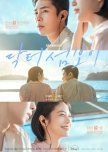
A beautiful postcard that lacks depth
I had not particularly planned to watch this drama, but Pierrot, with all the sincerity and kindness we know him for when it comes to Korean dramas, made me want to give it a try — whereas usually, I’m the one inviting people on these journeys… or not. (Don’t forget to read his review, even though he wrote it while thinking the drama was already finished.) Doctor On The Edge is not the drama of the year, nor is it the medical drama that will have crowds cheering, but it has something difficult to define: a feeling of warmth and companionship. However, it has as many flaws as it does qualities. At the very beginning, one of Ji-Ui’s army friends gives him a typical piece of advice while warning him about his upcoming assignment as a military doctor:“There are three things you should avoid in life, otherwise you’re doomed: trouble, people, and love.” A cliché sentence, perhaps, but one that ultimately sums up the hero’s journey quite well, as well as the main theme of the series. Doctor On The Edge is not a story built around a major medical plot or any kind of suspense. It is above all a fleeting moment of life, a pause in an isolated place where wounded people will try to rebuild themselves.
Do Ji-Ui (Lee Jae-Wook) is a plastic surgeon working at a university hospital. He begins his mandatory military service as a doctor (SP doctor) and is waiting for his next assignment. Traumatized by a painful event that he has carried with him for years, he has a fear of the sea and hates archipelagos. Of course, fate decides otherwise: he is sent to a remote island, somewhere in the southern part of the country, a place where nobody wants to go. There, he meets nurse Yuk Ha-Ri (Shin Ye-Eun), who is also running away from her own past and takes this opportunity to reconnect with her grandmother. At the small clinic where they are assigned, besides treating and healing the illnesses of the island residents, they will have to move forward alongside their colleagues and, for some of them, rebuild themselves psychologically. People come to this drama for the postcard scenery: an island, the sea, peaceful landscapes, a quiet village, fireflies… Everything is designed to create a soft and relaxing atmosphere. We follow the daily life of a small medical clinic made up of a few doctors and nurses who care for a population that is often elderly, isolated, and sometimes abandoned by families who have moved to the mainland.
Although the initial premise is a good one, it is true that the drama quickly starts going in circles around the 7th episode. The series is built around a simple idea: following people who must learn to accept help from others and move forward despite their emotional wounds. We are far from a structure based on twists, shocking revelations, or major plot developments. Here, the focus is much more human: repairing what is broken, finding balance again, and understanding that you do not have to carry your burdens alone. Behind this apparent simplicity, the drama tackles a real issue, even if it is handled somewhat awkwardly: access to healthcare in island communities. These areas are not always profitable, but they remain essential for the people who live there. Medical helipads are not just a convenient plot device; they represent a vital connection with the mainland. The drama’s main weakness comes from its narrative choice: there is almost no real storyline. There is no true antagonist, no major threat, and very few significant developments for a large part of the series. This is clearly a feel-good drama, and it fully embraces that identity. But one thing should be remembered: being gentle and comforting does not necessarily mean being boring.
Even though introspection is at the heart of the drama, that is not all it has to offer. The main couple is clearly the show’s greatest success. Lee Jae-Wook and Shin Ye-Eun have a chemistry that goes far beyond the typical romantic storyline. The actress brings a bright energy, a playful and spontaneous personality that perfectly contrasts with Ji-Ui’s closed-off nature. Her character is not simply there to fall in love with the male lead: she becomes the person who gradually helps him return to a normal life. Through her, he understands that accepting happiness does not mean betraying his past. The real subject of the drama is therefore not only love, but also learning to forgive oneself. It is unfortunate that the second couple does not reach the same level as the first one — not because of its writing, but because of the casting choices, which feel completely mismatched. Kim Yoon-Woo, who plays the acupuncturist, and Lee Soo-Kyung, his nurse love interest, are the weak point of the series. While one feels too gentle and immature (too young), the other delivers a performance that clearly lacks subtlety. The serious issue they eventually face later in the story suffers from this lack of immersion and credibility.
Ji-Ui’s character had enormous potential, yet his psychological development is not explored as deeply as it should have been. Sent to the island by the army, he finds himself in an environment that is almost his worst nightmare, since he suffers from fears related to isolation, water, and insects. This assignment forces him to confront exactly what he fears the most. His past explains this vulnerability: several years earlier, he experienced a tragedy involving the death of a friend, and he remains trapped by the guilt he carries because of it. The problem is that the drama keeps this information in the background for far too long. To fill the gaps, we spend time treating patients (yes, it is also a medical drama) and going through the usual, sometimes exaggerated, codes of countryside K-dramas. The intention behind the series is admirable: talking about resilience, rebuilding oneself, and the right to find happiness again after trauma. The drama still manages to avoid becoming overly melodramatic. The series remains restrained, even though it could easily have fallen into excessive sentimentality and emotional manipulation. At least, that is my opinion. The writing may seem simple at times, but there are still some genuinely good ideas. This is truly a drama centered on simple human relationships, one that conveys empathy and sincerity.
It is a real shame that the psychology of the main characters was not developed further, because it deserved much more attention. The lack of twists is not actually a problem. The real weakness of Doctor On The Edge lies in the second couple, whose actors are clearly not convincing enough. Yet the drama had all the ingredients to become a hidden gem: a beautiful setting, a unique atmosphere, a meaningful message, and characters with genuine emotional potential. But it lacks that extra layer of depth that would have allowed it to become more than just a pleasant viewing experience. Nevertheless, the series has a genuine sincerity and a gentleness that can sometimes feel refreshing in a drama landscape that often relies on constant escalation. Here, everything remains simple: the encounters, the wounds of the past, the bonds that are created, and the ability to move forward thanks to others. The series also owes a lot to its atmosphere: the island landscapes, the feeling of being at the edge of the world, the small everyday moments, and above all, a beautiful OST that perfectly accompanies this human interlude. We are not dealing with a masterpiece that will leave a lasting mark on the genre. It is a warm and soothing series, sometimes too restrained, sometimes too predictable, but it remains a beautiful nostalgic impression that deserved a little more depth.
¿Te ha parecido útil esta reseña?
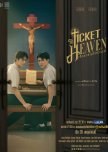
One of the best LBTQ series from Thailand
This is director and screenwriter Noppharnach Chaiyahwimhon (also known as Aof) best work yet. The way Aof manipulate and use the Thai language to truly convey a feeling or deepen the meaning of a sentence by changing pronoun or the choice of words is phenomenal.Additionally, Aof has a tendency to use scenes with no/ little lines in his work where the focus is solely on the actor(s) in the scene, which is something that is used in this work as well. In order for those scenes to really stand out there has to be good quality acting. Nattawat Jirochtikul (nickname Fourth) takes the silent scenes and conveys character Tanlak's anxiety and worries beautifully. The viewer feels the characters' emotions as if they are our own emotions.
This is definitely Fourth's best acting performance yet. I am highly impressed by his and co-actor Norawit Titicharoenrak's (nickname Gemini) acting in this piece of art (because that is really what it is).
Additionally, another way that Aof has so carefully chosen every spoken word in the series is so brilliantly thought through. The series criticise religion in an objective way, meaning that the use of words and the acting shows that it is not god or religion that is an issue of accepting your sexuality or yourself but rather each individuals own perception of religion.
Every person (LGBTQ or not) should watch this masterpiece.
¿Te ha parecido útil esta reseña?
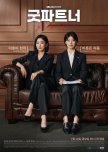
This review may contain spoilers
A wonderfully complex drama about, first and foremost, the camaraderie of two women, and second a legal drama about divorce lawyers. Jang Nara and Nam Jihyun have a real sense of chemistry that really makes the last few episodes of this feel more bitter than sweet. I wouldn't go and recommend against watching it, but I hope others at least know what I mean.Divorce/adultery arc is fantastic, and provides a lot more nuance and emotion than other more simplistic portrayals in movies and TV often do. The social commentary is constantly there, with feminist themes that feel like they're genuine instead of cashing in on a social zeitgeist or hot news stories like some other dramas can at times. It feels honest, and that's nice. I adored how Han Yu-ri was portrayed as not wanting to be in a relationship without the show condemning her for it.
And then the last few episodes. Boy. They aren't bad enough to invalidate the rest of the show's quality but they are enough to drop it a few places down in my mental ranking. First, we get shoved into a really overwrought tonal shift that takes the nuance and empathy for victims and turns it into your typical "evil chaebol heir tries to get away with literal murder" shit that works in a makjang but definitely not something subtle and grounded in real world issues like this. It could've been done well, but I also feel dirty. And then in two episodes it's all settled and we may as well have never seen that happen.
And then they ruin the other thing I loved, which was Han Yuri. To be blunt, I despise her and Eunho. As friends they can be tolerable, but he's so pushy and irritating that it feels like he always has a chip on his shoulder about the time he was told no, like he's investigating Yuri for lying to him about not wanting a relationship. Dating app episode being a prime example. Just can't stand the fucking guy.
So, of course, we have them actually get together because Han Yuri the misguided lost young woman has to end up in a relationship with a male coworker because this is how things have to go. You put the pop idol in your show, he has to get with the female lead. Honestly, as someone who can't really give a shit about Korean pop music post Uhm Junghwa, it made a lot of sense when I learned where his origins are. I try to be rude as little as possible but I just really don't like that character and I hope since Nam Jihyun isn't returning and their arc is "complete" we can see a better, less irritating side of him. Please don't mention anything about their marriage, I don't think I could handle thinking of Han Yuri in a relationship.
Embarrassing as hell, but I honestly got the same feeling seeing a ring on her finger as I did when I learned at 19 that a rather close (church, naturally) friend I'd grown up with since I was a very small child was getting married to some guy I had never met. Just endless things swirling around my head, like, is this really what you want, or is this just religious and societal pressure? Maybe airing things out too much, but I just get this weird feeling about their dynamic.
Worse part is, we have Cha Eunkyung right there, with a man she has genuine chemistry with where building a relationship would make sense. I get her character is focusing on divorce and family first, but if you absolutely need to have a heterosexual relationship, why not Woojin? It wouldn't make me feel like I'm falling through my own legs in confusion. And of course he isn't returning for S2 either, so that's a plot thread left permanently unresolved. I'd also suggest a third relationship option involving Eunkyung, Yuri, and neither male lead, and I'm perhaps considering it canon no matter the story... but I digress. I'm beginning to realise that I've always been a sucker for "older, professional, level headed woman who's a little too rigid" and "younger firebrand who's a little too willing to piss people off" ships. Anything that reminds me of Halt and Catch Fire or Queenmaker's main lesbian ships, I'm there.
Anyways, I'm glad I got this introduction to Jang Nara (and Nam Jihyun!), consider me a new fan. I was disappointed to see that Jihyun isn't returning, as she's half the lifeblood of the show, but despite her relationship I like the way her character arc was resolved. I can think of millions of worse actors to compliment Jang Nara than Kim Hyeyoon, and I'm excited for later this year when we see them together. I'm sure Hyeyoon is tired at this point of that one role following her around but I would like to see a little bit of "Yehsuh as a lawyer" with season 2. It just feels right that she would end up choosing that path.
¿Te ha parecido útil esta reseña?
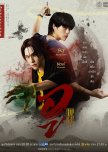
this could have been amazing
The idea was promising. It had so much potential. Wu came with an interesting concept, a fantasy world, unique characters, and impressive production elements. The CGI, the atmosphere, and the variety of characters were all there. On paper, it had everything needed to become something special. But somehow, the execution stayed on the surface.Watching Wu felt like eating a pizza that looks absolutely mouth-watering—the presentation is beautiful, the toppings are exciting, and you can't wait for the first bite. But once you taste it, you realize it is missing something. Not bland, not bad, but lacking the seasoning that would make it unforgettable.
The fact that I finished the entire series says that Wu is still enjoyable to watch. It has enough charm, visuals, and interesting elements to keep me invested until the end.
¿Te ha parecido útil esta reseña?

Una storia dinamica piena di troppi chichet
Una commedia romantica che parte con una premessa interessante e un ottimo ritmo, ma che nella seconda metà si perde nel classico festival delle trovate sceneggiative stereotipate.I punti di forza: La bravura e l'alchimia dei tre attori principali salvano la rappresentazione. Joo Sang-wook è straordinario e spassoso soprattutto quando interpreta il nerd sfigato nei flashback, mentre Seo Kang-joon (nonostante avesse solo 20 anni all'epoca) buca lo schermo nei panni del rivale più giovane. Magnetica lei.
I punti deboli: Il campionario delle gigionerie e degli stereotipi caratteriali è vitalissimo. Una storia che dovrebbe risultare una grande riscoperta dell'amore iniziale ed evolverlo in uno maturo ed esistenziale si arena in troppi cadute melodrammatiche e disarmanti. troppe sottotrame che fanno capire cmq che l'evoluzione delle persone è ancora molto ancorata alla macchina sociale coreana.
Una specie di sfida diventa alla fine per i protagonisti l'idea di vivere per un amore forte e visionario, la cosa che veramente salva il drama.
¿Te ha parecido útil esta reseña?
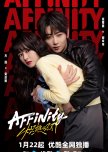
Un puzzle fantascientifico folle e geniale che va oltre le apparenze
Non lasciatevi ingannare dalle prime puntate o dai commenti di chi si ferma alla superficie: Affinity è un'operazione narrativa e psicologica fuori dai canoni, un esperimento caotico e spietato che richiede fiducia assoluta nello spettatore.
Se cercate il classico romance lineare, vi arenerete. Ma se accettate di analizzare questa storia partendo dal suo disegno finale, vi troverete davanti a un'opera di fantascienza unica nel suo genere.
La spina dorsale: Il virus e il cortocircuito biologicoLa trama affonda le radici nella distruzione di una normalità familiare: la caduta di un misterioso reperto spaziale, lo studio di tessere genetiche aliene e la comparsa del virus Affinity.
Un'infezione che non è una semplice malattia, ma una condanna biologica che divide le persone in due ceppi speculari:
I Predatori (Gene Ren / Ceppo B): Come il protagonista Xie Xin Xu, una generazione potente ma priva di empatia, guidata da impulsi distruttivi e da una fame biologica incontrollabile.
Le Prede (Gene Yin / Ceppo A): Come la scienziata Wu Nong Yu, un'ancora di salvataggio biologica in grado di placare la follia del predatore.
Il salto temporale di 5 anni dall'incontro della loro adolescenza ci scaraventa in un risveglio dei sensi violento e magnetico. La regia mescola sapientemente scenari complessi: prototipi di sitcom americane, atmosfere da web novel sci-fi agguerrite e vibes da horror fantascientifico anni '90 alla "Species".
Ci mostra due individui attratti da una chimica devastante che la loro mente non capisce e non accetta: lui non ha intelligenza emotiva, lei rifiuta e nega il proprio desiderio per non perdere il controllo razionale.
La svolta interdimensionale e la comunicazione salvifica Il vero colpo di genio che riscatta e unisce tutti i pezzi del puzzle (comprese le splendide sottotrame che lascio alla vostra visione personale) risiede nella narrazione tra universi paralleli.
La salvezza del protagonista non arriva da un miracolo medico, ma da una "dritta", un suggerimento informativo che proviene da "fuori" dal loro mondo (il legame con il 2051 del prologo).È l'idea della comunicazione speculare e salvifica: i due protagonisti capiscono che per sopravvivere non devono farsi la guerra o sconfiggere il virus, ma trovare una perfetta risonanza, uscendo dal proprio sistema chiuso per specchiarsi l'uno nell'altra.
Perché guardarlo?
È un drama magnetico, carico di tensione elettrica e visivamente spettacolare. Per capire bene bisogna seguire ogni episodio passo dopo passo, ma una volta compreso il disegno genetico dietro la follia dei personaggi, l'esperienza diventa totalizzante.
Un 9 pieno a un'opera che ha avuto il coraggio di rischiare e di ribaltare le regole del genere.
¿Te ha parecido útil esta reseña?

If you're expecting this movie to just be an impactful action movie, you may end up being disappointed since there were quite a number of slow scenes... as well as some interludes of several historical events that happened in between the story. There were some parts that weren't quite satisfying to me, as there wasn't much focus on Ip Man's relationship with his wife and son and how his status as a martial artist affects them indirectly, which made the latter scene that's supposed to be emotional, feel a bit lacking. And the movie seemed to be unable to decide between being a story about Ip Man or being a documentary about the life during the period Ip Man lived in. If you're used to high-impact action movies like those directed by Tsui Hark, you may find this movie a bit boring for most of its duration. But if you don't mind all that, you may give this movie a try.
¿Te ha parecido útil esta reseña?
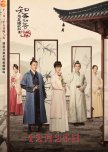
Un capolavoro assoluto di intelligenza, logica e passione
The Story of Ming Lan è un’epopea storica monumentale, dotata di un realismo psicologico, legale ed economico strabiliante.♟️ Cosa la rende unica:
I tempi:
inizialmente potrebbero sembrarvi lunghi e poco sostenuti ma poi se vi fate prendere un attimo dalla magistrale sceneggiatura non riuscirete a fermarvi dal guardarlo.
Una stratega della mente:
Ming Lan non combatte sul campo con la spada, ma la sua intelligenza è un'arma letale. Costretta a fingere sottomissione per sopravvivere a un nido di vipere familiare, quando colpiscono i suoi affetti si rivela una stratega glaciale. Raccoglie prove, isola i colpevoli e li distrugge usando la legge a proprio favore.
Un amore maturo e assoluto:
La chimica tra i protagonisti (coppia anche nella realtà durante le riprese) è pazzesca. Gu Tingye è un generale ruvido che rifiuta l'ipocrisia dei dotti senza spina dorsale e cerca un amore totale. Lo scontro tra la fredda razionalità difensiva di lei e la sete di trascendenza di lui regala una delle crescite di coppia più gratificanti della TV.
Una ricostruzione storica pazzesca:
La produzione della Daylight Entertainment mostra la dinastia Song come l'era "proto-moderna" che è stata. Un mondo avanzatissimo dove le donne gestivano patrimoni personali blindati (usati da Ming Lan come scudo economico).
La regia usa solo luce naturale e candele, creando un'atmosfera cinematografica intima e realistica.
🎯 Verdetto:Nessun personaggio è piatto, il ritmo accelera a livelli da thriller politico nella seconda metà e la giustizia viene conquistata solo con il cervello. Vedere Ming Lan battere il tamburo davanti al palazzo imperiale vi farà venire i brividi.
Un capolavoro imperdibile!
¿Te ha parecido útil esta reseña?
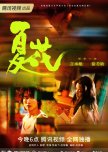
Un melodramma visivo splendido, tra l'assoluto dell'amore e i limiti della censura.
The Forbidden Flower si presenta fin dal primo episodio come un'opera rivoluzionaria per gli standard asiatici, accendendo una promessa di sensualità e di erotismo inteso come pura forza terapeutica e vitale.L'alchimia tra i protagonisti (un magnetico Jerry Yan e una straordinaria, istintiva Xu Ruo Han) buca lo schermo: il tocco, la voce e la natura non sono solo contorno, ma pura comunicazione erotica.
Purtroppo, la sceneggiatura cede presto ai classici cliché e ai tagli puritani della censura televisiva, congelando la fluidità del racconto .
Ma se si ha la pazienza di superare le sottotrame , il finale riscatta l'opera elevandola a vera tragedia lirica.
Nonostante l'idea iniziale dell'approccio di lei ricordi la Lolita di Nabolov, ciò che resta è il ritratto di un amore totale e trasfigurante, capace di rendere un uomo completo per tutta la vita.
Un viaggio sensoriale imperfetto, ma visivamente ed emotivamente indimenticabile.
¿Te ha parecido útil esta reseña?
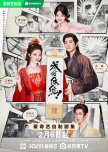
Between Pages and Politics: Masks, Meals and Muted Revolutions
How Dare You takes a familiar transmigration premise and gives it a softer, smarter edge. Wang Cui Hua an ordinary workplace rookie suddenly lands inside a novel’s world and finds herself teamed up with Zhang San another transmigrator hiding behind the identity of a quiet hidden king. What follows is less about flashy plot twists and more about how two people learn to survive, trust and protect each other inside a world that seems determined to crush them.What makes the drama work is the balance between its leads. Wang Cui Hua brings a lively, practical energy that keeps the story grounded, while Zhang San’s restrained presence gives the romance and political tension a steady pulse. Their dynamic feels genuine because it grows through shared danger, small acts of care and an unspoken understanding that survival is not just about staying alive but about staying true to oneself.
The drama also handles its court intrigue with a measured hand. It doesn’t rush to expose every scheme at once which gives the betrayals and shifting alliances more weight when they finally surface. Once the cruel prophecy about one of them not surviving is brought into focus the story becomes even more emotionally layered because the characters are forced to confront how much they are willing to sacrifice for a future they may never fully see.
Visually and structurally the series stays consistent even if it doesn’t always aim for grandeur. The costumes and setting support the mood well and the supporting cast adds enough texture to keep the world from feeling empty. Prince Duan and Xie Yong Er in particular help sharpen the emotional and political stakes without distracting from the central pairing.
Overall, How Dare You is a satisfying watch for anyone who enjoys slow-burn romance, survival-driven storytelling and dramas where affection grows out of strategy, loyalty and shared hardship. It may not reinvent the genre but it tells its story with enough heart and restraint to leave a lasting impression.
¿Te ha parecido útil esta reseña?
Un amore epico frenato da forzature e ripetizioni
Un fantasy romantico ambizioso che si segue con grande piacere nella sua prima metà, e nelle ultime puntate.🟢 I punti di forza:
Chimica fortissima: La coppia di protagonisti ha una presenza scenica devastante. Tutti e due sono bellissimi, magnetici e visivamente coinvolgenti fin dal primo minuto.
Ottimo avvio: Fino all'episodio 11 la serie scorre via fluida, mantenendo alto l'interesse per la costruzione del rapporto.Il finale soddisfacente: Verso l'episodio 18 la narrazione riprende una corsa serrata, chiudendo tutte le sottotrame aperte e regalando al ventesimo episodio un lieto fine romantico ed emozionante.
🔴 Le debolezze strutturali
Il blocco centrale ripetitivo: Subito dopo la prima metà, la trama subisce una pesante frenata per 6 o 7 episodi. Si assiste a troppe ripetizioni dei momenti dei loro passati incontri, mentre la sottotrama thriller incentrata sulla morte del padre del protagonista viene tirata per le lunghe.
Scelte di montaggio discutibili: La decisione di anticipare frammenti della leggenda antica all'inizio di ogni puntata toglie il senso di continuità.
Invece di incuriosire, spezza il ritmo e riduce l'interesse per le vicende della modernità a Seul.
Il "gigionismo" della protagonista: L'uso dell'aegyo infantile per la sirena che scopre il mondo moderno è a tratti divertente, ma poco credibile. Cozza pesantemente con il racconto della storia antica, dove la creatura aveva già dimostrato di saper vivere sulla terraferma con tutt'altra maturità.
In conclusione: Un cult urban-fantasy visivamente splendido e sorretto da un cast monumentale, che avrebbe guadagnato moltissimo con qualche episodio in meno e una sceneggiatura meno pigra nelle puntate centrali.
Consigliato, ma armatevi di un briciolo di pazienza a metà percorso!
¿Te ha parecido útil esta reseña?
This review may contain spoilers
the unnecessary sequel
If you already watched the prequel, ITSAY, and were satisfied with the happy ending and the character development, you can honestly skip this one. However, if you still can't get enough of Billkin and PP's chemistry, then you should definitely give this a try.The quality itself did not decrease. The chemistry is still there, and the execution remains good. The problem for me is the character development, which feels like it took a step backward.
A lot of people dislike the cheating storyline, but personally, I don't think the plot point itself was unrealistic or forced. It actually felt like something that could happen in a relationship, especially when someone is entering a new phase of life and gets caught up between personal ambition, temptation, and emotional immaturity. My problem isn't with the storyline—it’s with the characters' choices and how they handled the situation. Teh's betrayal was frustrating and watching Oh-aew chose to take him back in the end makes it unsatisfying.
So, while I Promised You the Moon is still well-made and Billkin-PP's chemistry remains its biggest strength, the emotional experience is much more complicated. It doesn't ruin the series, but it does make me miss the character growth and emotional satisfaction that ITSAY gave.
¿Te ha parecido útil esta reseña?
Una cosmogonia magnifica e irripetibile
Un 10 meritatissimo per l’opera più complessa e costruita a livello coloristico, percettivo e di sceneggiatura che abbia mai visto in un drama cinese.
Sotto la facciata della commedia storica e del travestimento, Oh My General nasconde una satira politica spietata, un’estetica espressionista monumentale curata da Emi Wada e un ribaltamento geniale dei ruoli di genere.
L'armonia paritaria tra la Generale "ferro e fuoco" e il Principe Artista "aria e seta" ridefinisce lo Yin e lo Yang.
Ma il vero capolavoro è la parabola tragica della cugina Liu Xiyin: un'intellettuale inafferrabile, un'icona queer specchio di quelle anime bellissime troppo avanti per i loro tempi, la cui ricerca di un assoluto inappagabile le condanna al martirio.
Una serie anticonformista, antipaternalistica e rivoluzionaria per la sua visione circolare.
Semplicemente immensa.
¿Te ha parecido útil esta reseña?
Destinados a estar Juntos
A 0 usuarios les ha parecido útil esta reseña
This review may contain spoilers
Ottima premessa dissoltasi nella stasi emotiva e nelle lessature comportamentali
Sei il mio amore fatale (You Are My Fateful Love) parte con un'idea iniziale sulla gestione del plagio letterario che è una vera e propria "massima raffinatezza" .Il meccanismo asimmetrico dei diari speculari e dei 360 pensieri incrociati dei protagonisti è un ottimo pretesto narrativo per affrontare i malintesi del passato, mentre il fango degli odiatori della rete restituisce un'alta tensione psicologica moderna e dinamica, scandita da ritmi da chat professionale globale.
L'impalcatura logica viene messa a dura prova ben presto con l'accanimento della stalker universitaria che si contrappone ad ogni regola sentimentale e motivazionale.
La gestione dei personaggi diventa molto discutibile al momento del confronto; nonostante abbiano obiettivamente 29 anni e un bagaglio di esperienze adulte (lui è un avvocato d'assalto istruito a Stanford, lei un'autrice di romanzi d'amore per adulti), la sceneggiatura sabota la loro maturità.
L'imbarazzo reale viene ridotto a una paralisi infantile e i finti pudori bloccano la fluidità del racconto, che dopo i primi episodi perde quota e diventa una poltiglia slow-burn lenta e appiccicosa.
I personaggi secondari (in primis il musicista Li Shican, hanno molto più spessore e tridimensionalità del protagonista maschile, che rimane invece ingessato, poco simpatico e "su un altro pianeta" dall'inizio alla fine. Il colpo di grazia arriva nel finale: un'apoteosi del kitsch matrimoniale, con un tappeto di rose da intralcio su cui la protagonista cammina vestita da bomboniera
Un vero peccato. Una bellissima geometria iniziale affogata nel solito polpettone commerciale zuccheroso e barocco. Consigliato solo se cercate un sottofondo leggero e non avete troppe pretese di rigore logico.
¿Te ha parecido útil esta reseña?
This review may contain spoilers
Un drama che fa riflettere
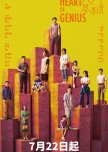
Ci sono drama che intrattengono e poi drama che fanno riflettere, ecco quetso è senza dubbio un drama che fa rifletere su tantissime tematiche forse pure troppe e lo fa nche riuscendo comunque ad inrtattenere... almeno fino ad un certo punto, poi esagera e parte per la tangente, ma resta comunque un prodotto a mio avviso molto valido e sopattutto diverso dal solito. Parte molto bene, si perde leggermente nelmezzo e nella parte finale, ma si conclude comunque in modo soddisfacente.Le tematiche toccate sono tantissime: cosa significa famiglia? quanto le aspettaive degli altri possono aiutare o frenare una persona? Come scelte diverse possano fraci diventare persone del tutto diverse? Cosa è un genio? Quanto è importante impegnarsi per riuscire accademicamente? Basta l'impegno o i nostro doni naturali o la loro mancanza ci freneranno per sempre dal raggiungere certe vette o superare certi limiti? Esistono mondi paralleli? E chi più ne ha più ne metta. Questo drama tcca talmente tanti argomenti da quasi sommergere lo spettatore che sopravvive solo grazie a dei personaggi interessanti e pittosto sfaccettati e a due pers. secondari molto simpatici che ravvivano un attimo il tutto.
Ci sono cose che francamente non funzionano (tipo perchè la boxe? Cosa ci azzecca? Specie col fisico del protagonista)e se uno si ferma un attimo di troppo a riflettere sulla logica dei viaggi interdimensionali qui contenuti le cose non tornano, come sempre d'altronde, e ci sono anche delle puntate filler di cui potevamo fare a meno, ma tutto commato resta un bel drama a mio pare. Non per tutti ma ben fatto che poteva essere veramente stupendo tagliando almeno metà puntate e cambiando alcune cose.
¿Te ha parecido útil esta reseña?


